213 SQUADRON (CEYLON) ROYAL AIR FORCE (AK)
THE BATTLE OF BRITAIN 1940
No. 213 (Ceylon) Squadron Royal Air Force - Radio Call Sign - 'BEARSKIN' - Squadron Code - 'AK'
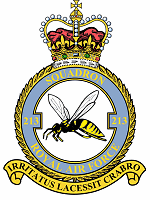
The Squadron Motto was – 'Irritatus lacessit crabro' – 'The hornet attacks when roused'
213 Squadron Notable Dates:
18 June - Arrival RAF Exeter
15 July - Combat Dartmouth
7 August - First enemy attack City of Exeter
11 August - Combat Portland
12 August - Combat Portland
13 August - Combat Portland
14 August - Combat Seaton
15 August - Combat Portland
16 August - Combat Solent
19 August - Combat Local
20 August - Combat Newton Abbot
21 August - RAF Exeter attacked
22 August - Combat Exmouth
25 August - Combat Portland
26 August - RAF Exeter attacked
7 September - Depart Exeter for Tangmere
A Fighter Squadron Arrives
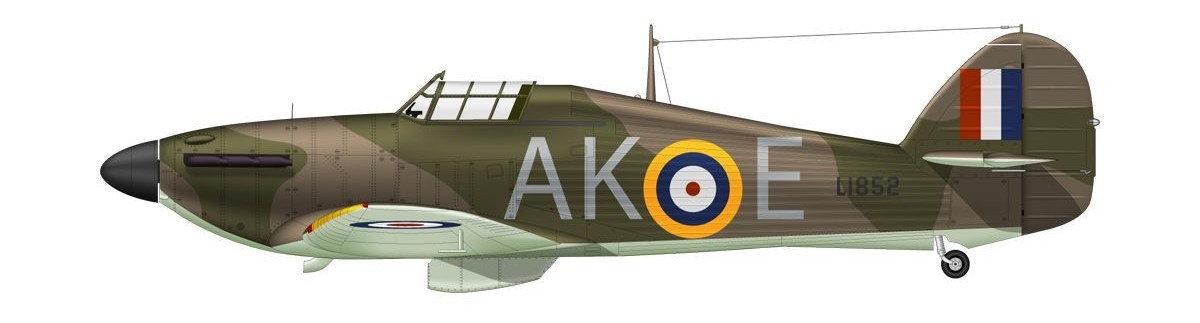
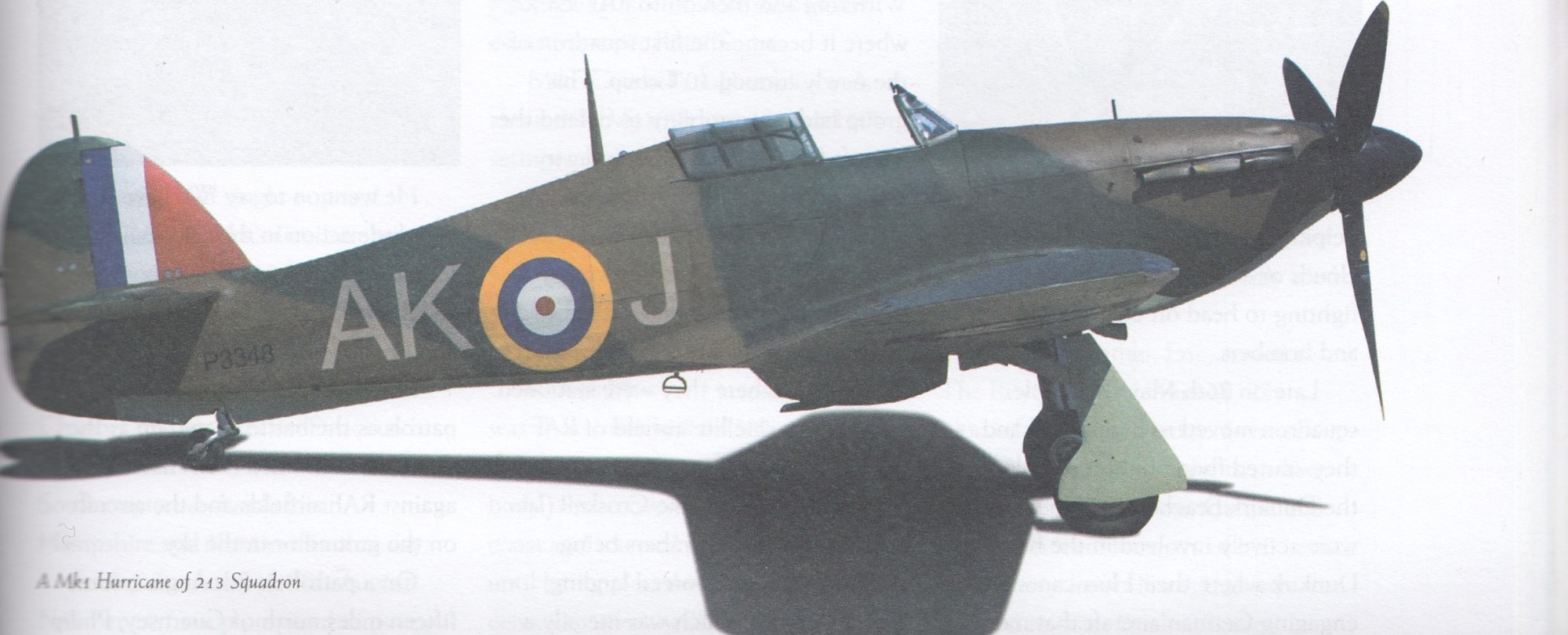
No. 213 squadron were based at RAF Exeter, Clyst Honiton, from the 18 June 1940, using the Hawker Hurricane MK1.
The squadron was reformed at RAF Northolt on 8 March 1937 and was equipped with the Gauntlet fighter squadron. In January 1938 the squadron began to convert to the Hurricane Mk1, completing the move by the start of March 1938. As with most Squadrons during the war years it was normal to only remain at an airfield for short periods of time, sometimes months, sometimes weeks, rarely years. In May 1938 the squadron moved to RAF Wittering, where it remained until May 1940.
In May 1940 a detachment from the squadron flew to France to reinforce the Air Component of the British Expeditionary Force (BEF). The squadron also took part in the air operations over Dunkirk. When it was realised by the Prime Minister that France was falling to the German Forces a decision was made to return Allied Forces back to England ready to protect our Island. For a while during the Battle of France 213 Squadron had 'A' flight in France and 'B' Flight at Biggin Hill (from 26th May).
After returning to England and once regrouped, 213 Squadron was moved to the South West and were the first Squadron to set up camp at RAF Exeter. At the time, the airfield was still in a transition from a Civilian Airport to a Military airfield in preparation for war. The initial quarters for the men were canvas tents until more permanent structures were built. Officers were billeted in local Exeter hotels such as the Rougemont Hotel or Farringdon House.
The move to RAF Exeter was just in time for the commencement of the Battle of Britain which would be recorded as running between the 10 July 1940 to the 31 October 1940. After a fortnight at RAF Exeter, 213 Squadron was joined by 87 Squadron who were also equipped with Hawker Hurricane Mk1 fighters.
11 August 1940; 213 Squadron went into action between 10:15 and 11:15hrs. 12 Hurricanes joined other Squadrons and engaged with JU88s, ME110 and ME109 aircraft between Portland and the Isle of Wight.
Hurricanes P3585, N2661 and N2708 were damaged but all pilots were safe. Hurricanes N2650 and P3789 were destroyed and the pilots were sadly killed.
A Selection of Combat Reports:
Combat Report 222. Completed by S/Lt D M Jeram – Place of Attack – 1mile South of Portland Bill, 10,000ft at 10:25 hours.
‘Green Leader on patrol sighted large numbers of JU88s so opened fire from astern on one, silenced his rear guns, he then dived suddenly letting out a length of wire attached to a parachute. He continued his dive with petrol, oil and smoke issuing forth. Broke away and opened fire on another, his starboard engine caught fire and he dived towards Chesil Beach. Fired several short bursts at another enemy aircraft and returned when out of ammunition. The second aircraft was definitely destroyed’.
Combat Report sourced from a PDF Copy sent to me by Larry Jeram- Croft, Son of S/Lt D M Jeram.
Combat Report:
P/O J A L Phillipart – Red 1, A Flight, 213 Squadron.
About 40 JU88s and ME109s.
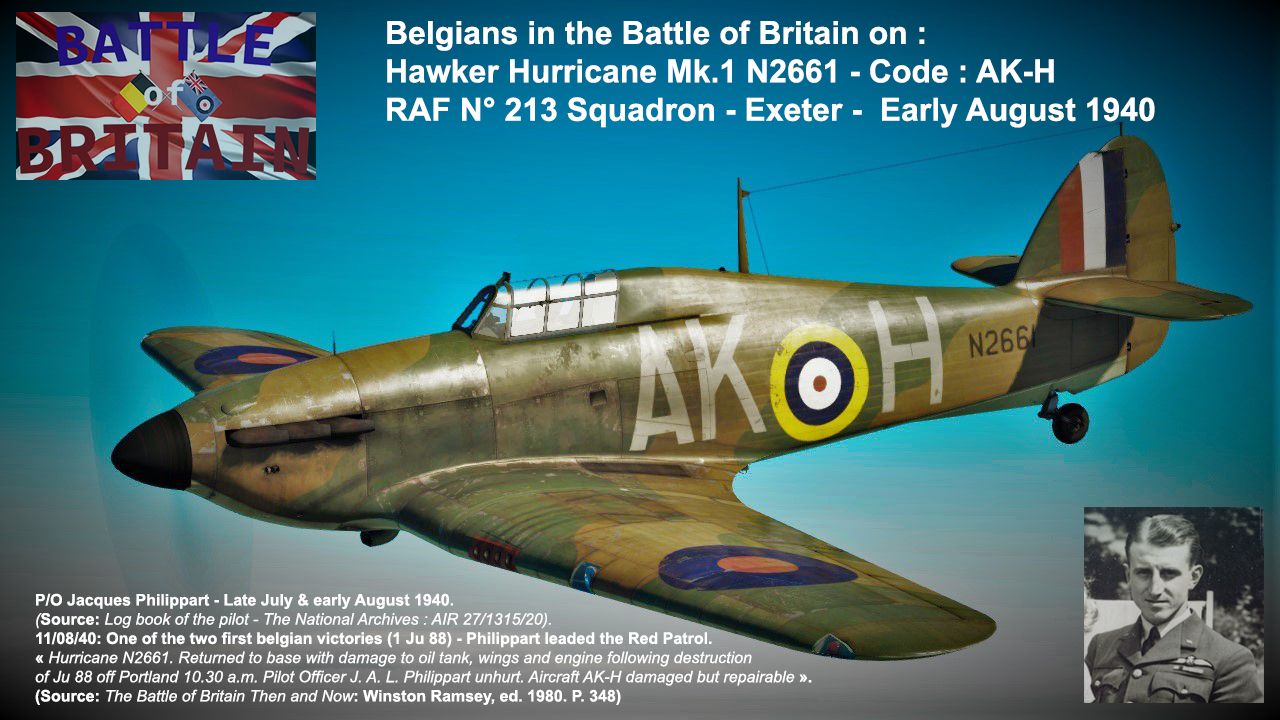
‘I was leading Red Section on patrol over Portland Bill. I made a stern attack on the leader of the German formation of JU88s when he was diving on his target. I overshot him when he opened his air brakes. I then made a second attack when he attempted to escape by low flying. His starboard engine went on fire and then he crashed into sea. Having received bullets in my oil tank and with glycol pouring on to the windscreen and into my cockpit, I returned to my base.’
Combat Report:
F/O J M Strickland – A Flight, 213 Squadron.
70 JU88S and ME109s. Portland 10,000ft.
‘I was ordered to patrol Portland Bill at 10,000ft. I sighted about 70 enemy aircraft in waves approaching Portland from the East. I called my section together and climbed to the seaward side of the enemy. We attacked the leading of JU88s who immediately started to dive and break formation, dropping their bombs wide of Portland. I picked out one 88 and I gave him 2 short bursts on the way down, his port engine started to smoke quite a bit. He went down to about 2,000ft and I gave him two more bursts coming in on a quarter attack. The rear gunner ceased firing, and the starboard engine looked as if it was u/s. Aircraft was then losing height rapidly and I gave him two more short bursts and then followed him right down. He forced landed on Portland Bill with undercarriage up. I saw three airmen get out and were captured by the Army. I then flew away and tried to find some more enemy aircraft but by that time they had all gone. I saw several enemy aircraft falling in flames. The only evasion action used by enemy aircraft was to throttle back and use diving brakes and turning towards me. It was quite effective and caused me a certain amount of trouble because I was apt to overshoot. All my section returned to base separately.’
On the 12 August 1940, 213 Squadron were in action once more. The Squadron scrambled 12 Hurricanes to join many other Squadrons towards Portsmouth where the enemy were carrying out a bombing raid. 213 Squadron managed to shoot down and destroy 12 enemy aircraft which included 11 ME110s and one ME109. Sgt G D Bushell was attacked by an ME110 and his Hurricane was damaged just off the Isle of Wight. He managed to escape safely. Sgt G N Wilkes was shot down South of the Isle of Wight and was reported as missing. Sgt S G Stuckey was also reported missing last seen by F/Sgt Grayson of Green Section engaging ME11Os south-south-east of the Isle of Wight.
Information sourced from the Battle of Britain Combat Archive Volume 3 by Simon W Parry.
Combat Report:
F/Lt J E J Sing – A Flight, 213 Squadron.
‘Having sighted enemy aircraft which were flying in a large circle, I led my section in trying to find a suitable target. I was attacked by what must have been an ME109, and ‘blacked out’ in a turn. I lost my section. When enemy aircraft were about 20 miles out to sea and approximately 2,000 feet 12 of them then broke away and started for home. I attacked the rear machine and it crashed into the sea. As I climbed away from this attack, I sighted seven ME110s flying south at 200-300 feet. As I attacked the rear machine, the two rear machines turned outwards and round, the next two did climbing turns outwards. Two others stayed where they were but seemed to throttle back and the leader turned round sharply to an almost head-on position. This manoeuvre left me nearly in the centre of them and I received crossfire from a number of cannons. However, as I broke the leader crossed my sights and I managed to get in two short bursts, whereupon he caught fire and dived into the sea. I had then used 180 rounds of ammunition per gun, but as I was low on petrol (eventually landed with 10 gallons) I broke off and returned to base.’
Combat Report:
P/O J M Strickland – Yellow Section, A Flight, 213 Squadron.
70+ ME109s and ME110s – 30-40 miles south east of Isle of Wight.
‘Ordered on patrol over Isle of Wight. I was leading Yellow Section in formation with the Squadron. I got behind owing to engine trouble and on picking up enemy aircraft found myself to be the only section. There were about 70 aircraft, some went for France and about 15 stayed and went into a circle. I could not get my section in on a reasonable attack so stayed above into sun and waited for my opportunity. I saw an ME109 at sea level, so I dived to the attack. I chased him to within 15-20 miles of the French coast and got in a good burst from 200 yards dead astern. There was a large cloud of smoke and I couldn’t see the aircraft. I pulled away to the side and aircraft pulled up to about 800 feet and I gave it a short 2 second burst. Pilot bailed out and aircraft went straight in. Pilot appeared to be alright but think he must have drowned as there were no boats in the vicinity. As aircraft turned before plunging into the sea, I noted two large guns or cannons (one in each wing) sticking out.’
Information sourced from the Battle of Britain Combat Archive Volume 3 by Simon W Parry.
Information below is sourced from the book Battle of Britain Combat Archive Series.
On the 13 August 1940, at 11:54 hours, 213 Squadron received orders to patrol Portland. Only one of ‘A’ Flight saw enemy aircraft, but Blue section of ‘B’ Flight sighted Me 110s and Me 109s and Junkers 88.
Blue section Leader Flying Officer Strickland attacked an Me 110 with one short burst of 10 rounds per gun but lost it in the clouds. Red 3 of ‘A’ Flight Sqt Llewellyn, twice attacked a Junkers 88 with two separate bursts at 300 yards, and followed it down and claimed a category 3, as he saw white patch in the sea and motor boats hurrying to the spot.
Blue 2 Pilot Officer Laricheliere followed his leader down and firstly attacked a Junkers 88 with short 2 and 4 seconds bursts from 100 to 300 yards. He saw the enemy aircraft dive into the sea, and whilst watching, was himself attacked by an Me 109. He climbed into the clouds and then, turning back, gave the enemy aircraft a burst of 3 seconds and watched it dive into the sea about 500 yards from where the Junkers 88 had struck the water. The squadron returned to RAF Exeter and landed at intervals from 13:10 to 13:25. Our casualties – Nil.
Information sourced from the book Battle of Britain Combat Archive Volume 3 – Simon W Parry
On the 13 August 1940, (part 2), 12 aircraft of 213 Squadron took off from RAF Exeter at 15:21 hours to patrol Portland. Leader of Red section ‘A’ Flight, Flight Lieutenant Sing saw about 30 Me 110s and 20 Me 109s 15 miles south west of Portland Bill below him and attacked. He himself attacked an Me 110 but was in turn attacked by an Me 109 so turned on to the latter and after two bursts of 4 seconds each watched it crash into the sea.
Meanwhile his Yellow 1 Pilot Officer Osmand had shot down an Me 109 and Red 3 Sergeant Bushell had put a long burst into an Me 109 and saw a piece fall from the port wing. ‘B’ Flight had seen and climbed to enemy aircraft above cloud at 10,000 feet where leader of Green Section Pilot Officer Atkinson shot down a straggling Me 109 and expended the rest of his ammunition on another while Blue 2 Pilot Officer Larichelier put in one burst of 1 second into an Me 110 and blew it to pieces. This was the first time the squadron had been using De Wilde ammunition. Sergeant Norris was reported missing.
Information sourced from the book Battle of Britain Combat Archive Volume 3 – Simon W Parry
On the 14 August 1940, Green section of 213 Squadron on patrol at 16,000 feet above Seaton just above rough cloud sighted three HE111s. Green 2 Pilot Officer Atkinson attacked one from astern and fired one burst bringing its undercarriage down. After another burst the engine stopped and it caught fire. The crew of 4 baled out. In the meantime, Blue 1 Pilot Officer Sizer had attacked another HE111 and saw smoke coming out of it before he lost it in the clouds. All four of our aircraft returned safely to RAF Exeter at 20:50 hours. Pilot Officer Atkinson had small pieces of Bakelite in his left forearm.
Information sourced from the book Battle of Britain Combat Archive Volume 4 – Simon W Parry
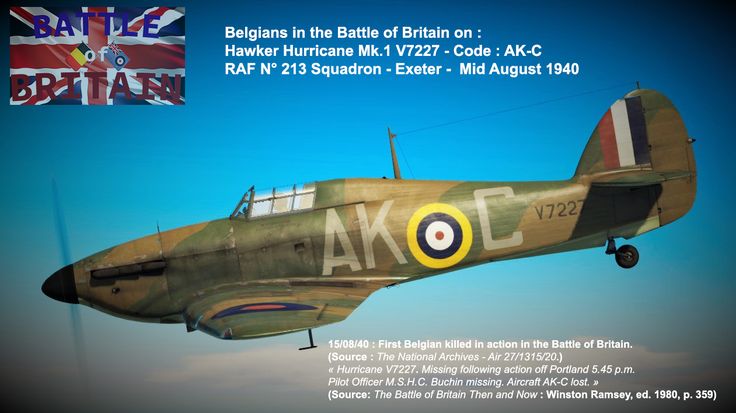
On the 15 August 1940, at 17:15 hours, 13 aircraft of 213 Squadron took off from RAF Exeter to intercept raiders at Portland. At 17:25 hours a terrific number of enemy aircraft were encountered and the largest dogfight in which the squadron has yet taken part developed. Each of our pilots selected his own particular enemy aircraft and having shot it down turned onto another. All of our aircraft returned safely to RAF Exeter with the exception of one, Pilot Officer Buchin, who was reported missing.
Information sourced from the book Battle of Britain Combat Archive Volume 4 – Simon W Parry
On the 18 August 1940, Large scale attacks by the Luftwaffe took place today. At 14:07 hours 213 Squadron took off from RAF Exeter with 12 Hurricanes to patrol St Catherine’s Point. Pilot Officer H D Atkinson destroyed an Me 109 five miles south of Ventor. Many other squadrons were involved in the fray including 601, 152, 43, 602 and 234 squadrons. The combat took place mainly over West Sussex between 14:00 – 15:30 hours. German losses were heavy.
Information sourced from the book Battle of Britain Combat Archive Volume 5 – Simon W Parry
On the 19 August 1940, whilst Red Section of 213 Squadron were patrolling base an enemy aircraft was intercepted. Sgt Llewellyn was sent by his leader to investigate and saw a Ju88 proceeding south-east. When he was 800 feet astern of the aircraft, it fired a cannon at him and Llewelyn replied with a short burst. Enemy aircraft then flew into cloud but when it emerged at the top Llewelyn carried out a beam attack. He opened fire at 250 yards closing to 150 with a burst of 2-3 seconds. The enemy aircraft emitted a considerable amount of smoke and then there was a glow of fire. No one was seen to bale out. Llewelyn returned to RAF Exeter at 13:50 hours.
Information sourced from the book Battle of Britain Combat Archive Volume 6 – Simon W Parry
On the 20 August 1940, at 18:19 hours two aircraft of Red Section, 213 Squadron took off to patrol Seaton. Three Ju88s were encountered and chased over Exeter and back to Newton Abbot where the flight closed with them just after they had dropped bombs on the railway station. Red Leader attacked one and saw his bullets rake the enemy aircraft from stem to stern. He then chased another out to sea and silenced the rear gunner. In the meantime, Red 2 had attacked another and saw a large piece of the enemy aircraft fall off. Enquiries were made at the time to confirm rumours that at least one enemy aircraft was seen to crash into the sea.
Information sourced from the book Battle of Britain Combat Archive Volume 6 – Simon W Parry
On the 22 August 1940, Pilot Officer J. A. L. Phillipart of 213 Squadron, RAF Exeter, was patrolling Exmouth at 30,000 feet as Yellow Leader (section of 2 planes). He spotted an unidentified aircraft coming from the south. He approached the enemy aircraft and recognised it as Ju88. Followed by Yellow 2, he went into a beam attack, the effect of which was the enemy aircraft released its bombs into the sea. Pilot Officer Phillipart then made a vertical diving attack followed by an astern attack. The enemy aircraft caught fire between the starboard engine and the fuselage. The enemy aircraft then dived into the sea in a large gliding turn. Four members of the crew baled out but only one parachute opened correctly. P.O. Phillipart noted that the black crosses on the fuselage were inside a circle from certain distance.
Information sourced from the book Battle of Britain Combat Archive Volume 6 – Simon W Parry
On the 25 August 1940, fifteen Hurricanes of 213 Squadron departed from RAF Exeter at 16:59 hours to intercept enemy raiders at Portland. The enemy was intercepted at 17:23 hours and a general dogfight ensued. Several pilots remarked about the improved armament on the ME109s.
Information sourced from the book Battle of Britain Combat Archive Volume 6 – Simon W Parry
The squadron moved to Tangmere in early September and remained there until November when it was moved back to Yorkshire. In February 1941 the squadron moved to the north of Scotland to provide fighter cover for the naval base at Scapa Flow, but in May it began non-operational in preparation for a more dramatic move to the Middle East.
Excerpts from the Operational Record Books for 213 Squadron during the busiest times in the Battle of Britain from RAF Exeter.
11 August 1940:
Hurricane N2708 suffered hydraulics damage during combat whilst on this patrol over Portland. The aircraft crashed on landing at RAF Exeter but Pilot Officer J. S. B. Osmand was unhurt. Aircraft AK-C was damaged but was repaired.
Hurricane N2661 returned to RAF Exeter with damage to the oil tank, wings and engine following a combat with a Ju 88 off Portland. Pilot Officer J. A. L. Philippart was uninjured but the aircraft was damaged and repaired.
Hurricane N2650 failed to return to RAF Exeter following combat over Portland. Flight Lieutenant R. D. G. Wight was killed with aircraft AK-O lost.
Hurricane P3789 failed to return to RAF Exeter following combat over Portland at 11:00 hrs. Sergeant S. L. Butterfield was killed and aircraft AK-P was lost.
Hurricane P3585 suffered engine damage during combat with a Bf 110 over Portland. Sergeant E. G. Snowden force-landed on Lulworth range and was uninjured. The aircraft AK-M was damaged but repaired.
Information sourced from the Battle of Britain Combat Archive series and the book The Battle of Britain Then and Now.
12 August 1940:
12:00 – Six Hurricanes flew a patrol. Only four returned with Sgt Wilkes and Sgt Stuckey reported as missing.
Hurricane P2854 (AK- M) was lost following combat off Bognor at 12:44pm. Sergeant G. N. Wilkes never returned reported as missing.
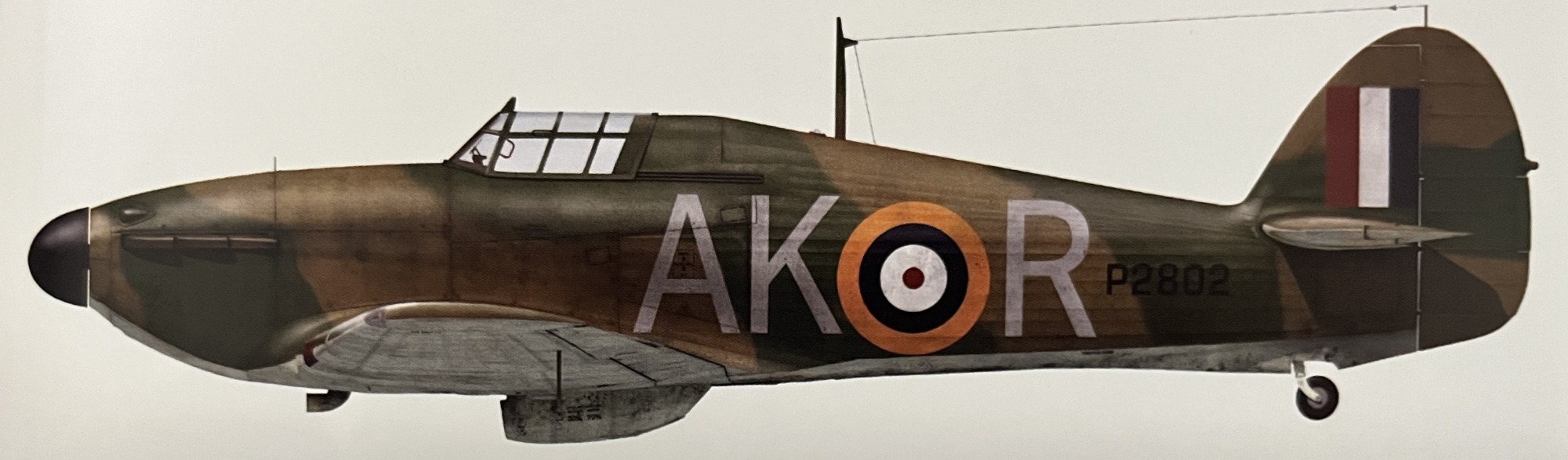
Hurricane P2802 (AK-R) also failed to return to base following combat off Bognor at 12:45pm. Sergeant S. G. Stuckey never returned reported as missing.
Hurricane AK-D returned to RAF Exeter damaged in port elevator and starboard fuel tank following destruction of a BF110 off the Isle of Wight at 12:30pm. Sergeant G. D. Bushell was uninjured and the aircraft was deemed repairable.
Information sourced from the book Battle of Britain Combat Archive Volume 3 – Simon W Parry.
Information also sourced from the book The Battle of Britain Then and Now (fifth edition).
13 August 1940:
Between approximately 06:40 and 07:00hrs Hurricanes from 213 Squadron with a flight of 87 Squadron took off from RAF Exeter and headed towards Portland. They were joining 43 Squadron from Tangmere along with 238 Squadron. A large swarm of enemy bombers and escorts was heading across the Channel towards the Isle of Wight and Southampton. 257 Squadron from Canterbury were diverted to Tangmere to join the fray. Success came to 87 Squadron with S/L J.S. Dewar claiming a JU88 destroyed South of Bangor and P/O D.T Jay along with F/O R.L. Glyde claiming shared. 601 Squadron also joined the action with a number of enemy aircraft destroyed. Following this combat and returning to RAF Exeter, F/O R. L. Glyde was seen returning home with white vapour coming from his Hurricane P3387. The next time S/Ldr Dewar looked around F/O Glyde had disappeared and a search for him found nothing.
Richard Lindsay Glyde DFC aged 24 Born from Perth, Australia, Learned to fly with the RAAF in 1935. He Joined the RAF in 1937 and joined 87 Squadron in October 1938.
Sergeant P. P. Norris was reported missing in Hurricane P3348 (AK-B) after the combat over Portland at 16:50 hours.
Information sourced from the book Battle of Britain Combat Archive Volume 3 – Simon W Parry.
Information also sourced from the book The Battle of Britain Then and Now (fifth edition).
14 August 1940:
Green section of 213 Squadron on patrol at 16,000 feet above Seaton just above rough cloud sighted three HE111s. Green 2 Pilot Officer Atkinson attacked one from astern and fired one burst bringing its undercarriage down. After another burst the engine stopped and It caught fire. The crew of 4 bailed out. In the meantime, Blue 1 Pilot Officer Sizer had attacked another HE111 and saw smoke coming out of it before he lost it in the clouds. All four of our aircraft returned safely to RAF Exeter at 20:50 hours. Pilot Officer H. D. Atkinson had small pieces of Bakelite in his left forearm. His Hurricane R4099 was damaged but deemed repairable.
Information sourced from the book Battle of Britain Combat Archive Volume 4 – Simon W Parry
Information also sourced from the book The Battle of Britain Then and Now (fifth edition).
213 Squadron saw some action again today - 12:45 – Three Hurricanes flew a patrol but only two returned at 14:00hrs. Pilot Officer J. E. P. Laricheliere was reported as missing in Hurricane P3091 (AK-R). The action took place just off the Isle of Wight. Joseph was a Canadian pilot and his name lives on forever at the Runnymede Memorial, London.
Information sourced from a copy of Operational Records – National Archives UK.
22 August 1940:
Pilot Officer J. A. L. Phillipart of 213 Squadron, R.A.F. Exeter, was patrolling Exmouth at 30,000 feet as Yellow Leader (section of 2 planes). He spotted an unidentified aircraft coming from the south. He approached the enemy aircraft and recognised it as Ju88. Followed by Yellow 2 he went into a beam attack, the effect of which was the enemy aircraft released its bombs into the sea. Pilot Officer Phillipart then made a vertical diving attack followed by an astern attack. The enemy aircraft caught fire between the starboard engine and the fuselage. The enemy aircraft then dived into the sea in a large gliding turn. Four members of the crew baled out but only one parachute opened correctly.
Information sourced from the book Battle of Britain Combat Archive Volume 6 – Simon W Parry
25 August 1940:
Fifteen Hurricanes of 213 Squadron departed from R.A.F. Exeter at 16:59 hours to intercept enemy raiders at Portland. The enemy were intercepted at 17:23 hours and a general dogfight ensued. Several pilots remarked about the improved armament on the ME109s.
213 Sqn Hurricane N2646 Sgt E G Snowden – safe. Badly damaged by ME109s and forced landing at Burton Bradstock, Dorset.
213 Sqn Hurricane P3200 P/O H D Atkinson – killed. Shot down over the sea.
213 Sqn Hurricane V7226 AK-I P/O J A L Philippart – killed. Shot down by ME109s off Portland. Pilot baled out over the sea, but drowned, his body was washed ashore on the 28 August.
27 August 1940:
12:45 – Two Hurricanes of Yellow Section flew a patrol but only one returned at 13:10hrs. S/Lt J. M. Moss was reported as missing. Hurricane N2336 (AK-G) lost control during this routine patrol and struck the sea at 12:58.
14:00 – F/Lt Sing and Sgt Llewellyn fly a search flight for S/Lt J. M. Moss who failed to return to base. F/Lt Sing landed back at 14:30 and Sgt Llewellyn landed back at 15:40hrs.
Information sourced from a copy of Operational Records – National Archives UK.
Information also sourced from the book The Battle of Britain Then and Now (fifth edition).
Information sourced from the book Battle of Britain Combat Archive Volume 6 – Simon W Parry
213 Squadron Gallery
Wing Commander John Scatliff Dewar DSO, DFC:
Rest in Eternal Peace
The highest ranking Fighter Command officer to be killed in the Battle of Britain was Wing Commander John Scatliff Dewar DSO, DFC, who went missing on 11 September 1940, while flying from RAF Exeter (where he was station commander) to RAF Tangmere. He was flying a 213 Squadron Hurricane V7306 on this transit which he sometimes did as Station Commander at Exeter.
Dewar never arrived at RAF Tangmere and it is noted that his original ETA was 16:00 hrs. The exact details are unknown to this day as to what occurred north of Southampton where there was reported enemy action.
His death would be confirmed on the 30 September when a body washed ashore and a nearby tunic with the laundry markings of J.S.D. and ribbons showing the DSO and DFC. His body had bullet wounds to the back, head and left leg proving that he did get caught up in the known enemy action near Southampton.
Information sourced from,
The National Archives, Kew, London reference AIR 81/3230
Battle of Britain London Monument - W/Cdr. J S Dewar
Battle of Britain – Target London Vol 5 by Dilip Sarkar MBE FRHistS FRAes
John Dewar (RAF officer) - Wikipedia
Wing Commander John Scatliff Dewar DSO, DFC:
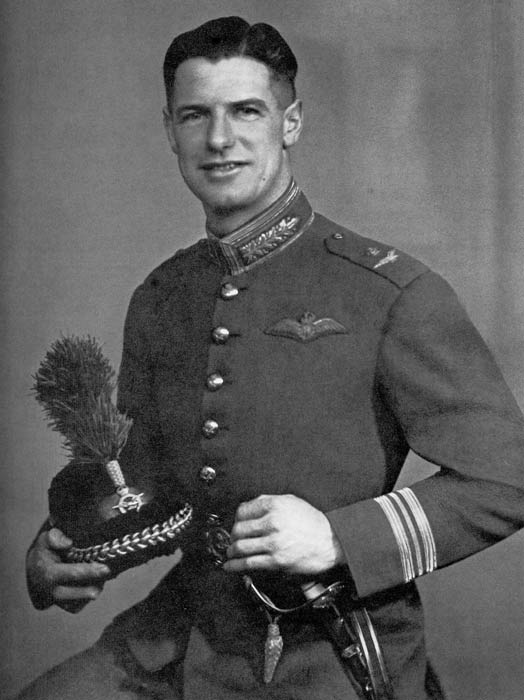
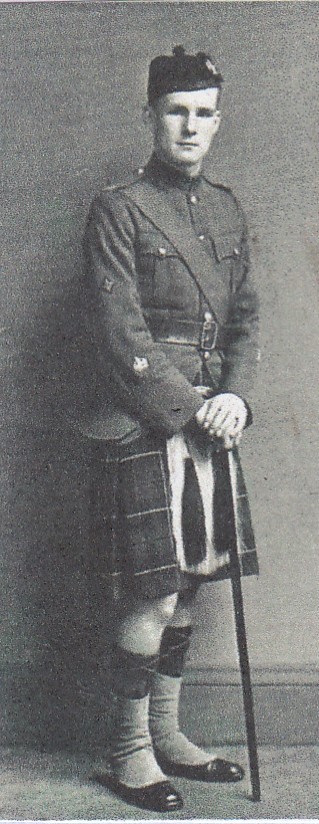
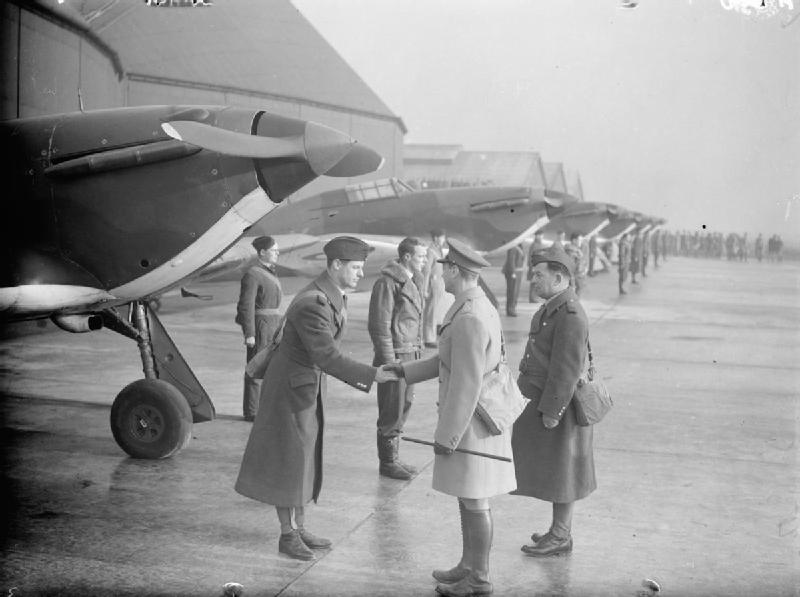
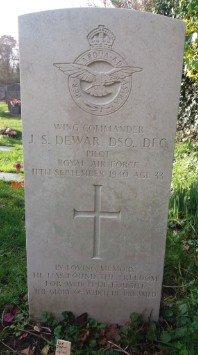
Images of John Scatliff Dewar
DSO, DFC,
ATKINSON H. D. DFC P/O 213 Sqn - August 1940 -
Aged 22
BUCHIN M.S.H.C. (Bel.) P/O 213 Sqn - 15 August 1940 - Aged 34
BUTTERFIELD S.L. DFM Sgt 213 Sqn - 11 August 1940 - Aged 27
LARICHELIERE J E P P/O 213 Sqn - 16 August 1940 -
Aged 27
MOSS W.J.M. Fleet Air Arm Sub/Lt 213 Sqn - 27 August 1940 - Aged 23
NORRIS P.P. Sgt 213 Sqn -
13 August 1940 - Aged 22
PHILIPPART J.A.L. (Bel) P/O 213 Sqn - 25 August 1940 - Aged 31
STUCKEY S.G. Sgt 213 Sqn 12 August 1940 - Aged 26
WIGHT R.D.G. Sgt 213 -
12 August 1940 - Aged 26
WILKES G.N. DFC F/Lt
213 Sqn - 11 August 1940 - Aged 24
Pilots Killed in Action
213 Squadron
The Pilots of 213 Squadron
Those Who Flew From Exeter
Sgt Adair
P/O Atkinson
Sgt Bidgood
S/Lt Bramah
P/O Buchin
Sgt Bushell
Sgt Butterfield
P/O Clark
P/O Cottam
Sgt Croskell
Sq/Ldr Dewar
Sgt Dunscombe
F/O Duryasz
Sgt Grayson
Sgt Grove
F/O Jankiewiez
S/Lt Jeram
F/O Kellow
P/O Laricheliere
Sgt Llewellyn
Sq/Ldr McDonald
Sq/Ldr McGregor
S/Lt Moss
Sgt Norris
P/O Osmand
P/O Philippart
F/Lt Sing
P/O Sizer
Sgt Snowden
Sgt Stevens
F/O Strickland
Sgt Stuckey
F/Lt Wight
Sgt Wilkes
Sgt Wojcicki
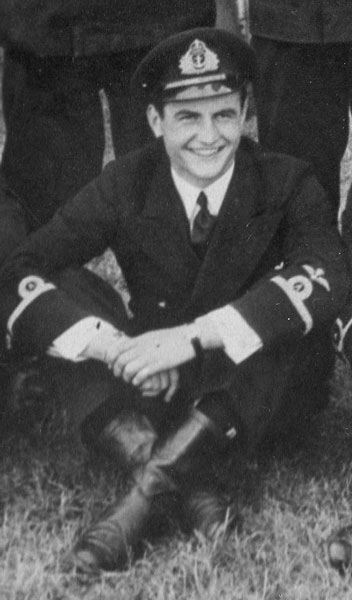
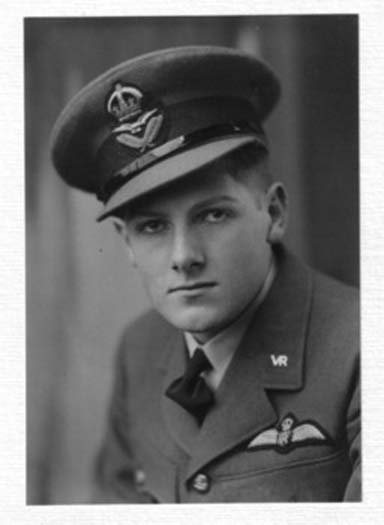
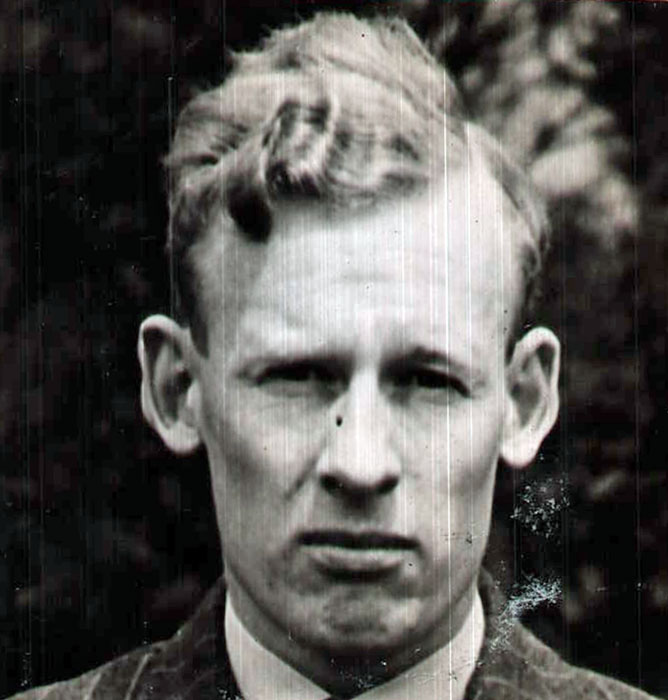
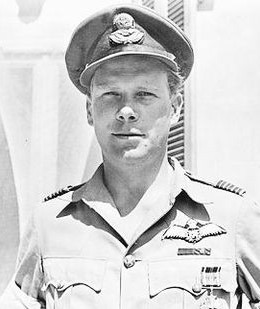
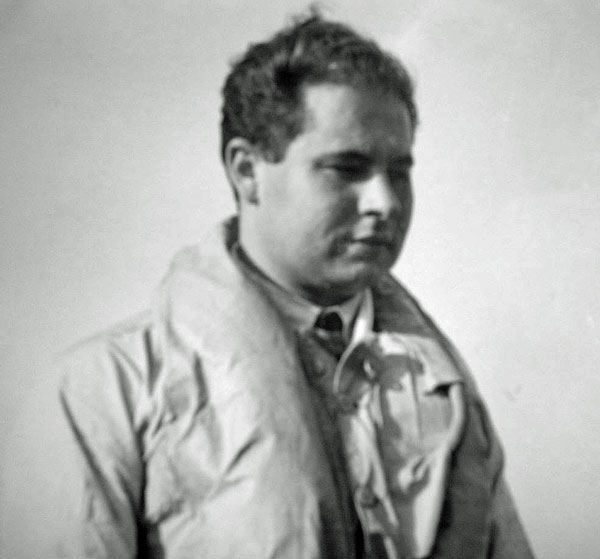
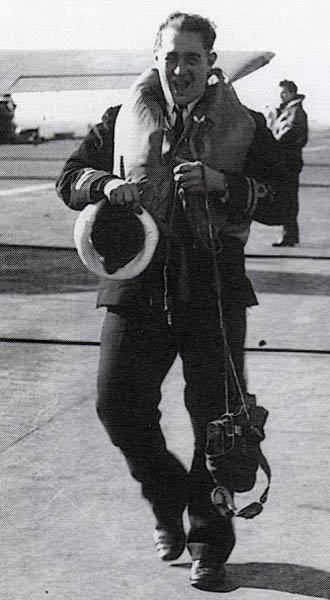
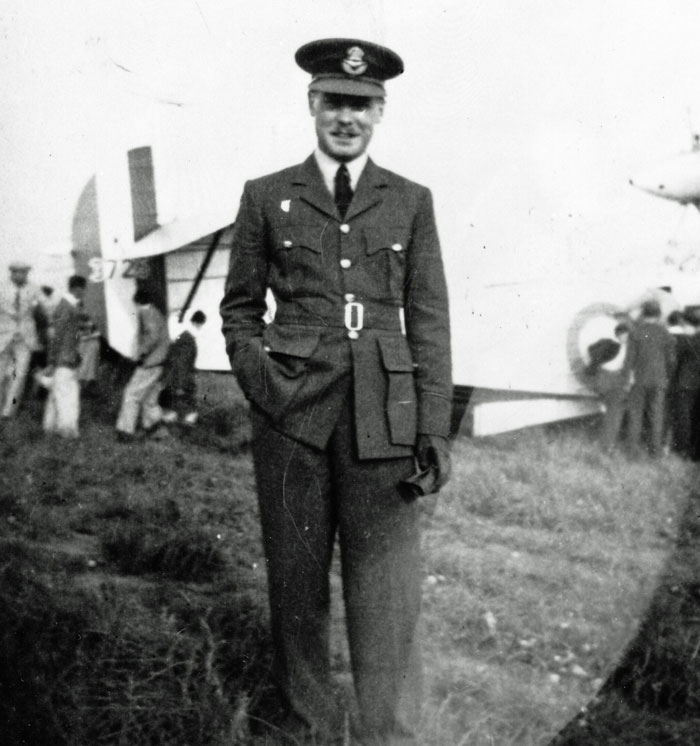
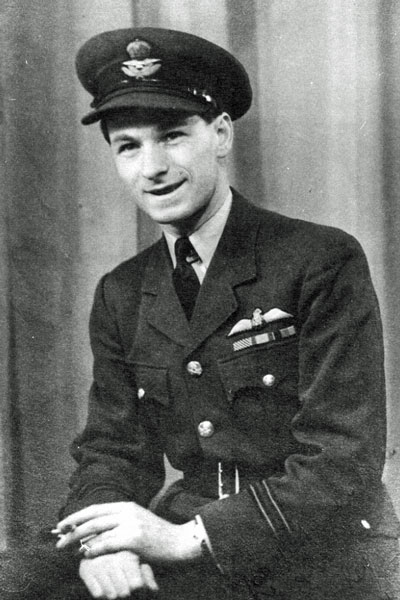
The Pilots Gallery
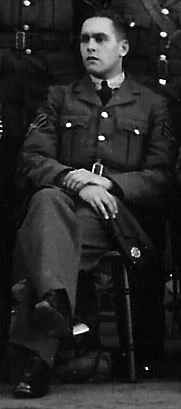

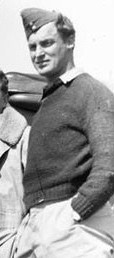
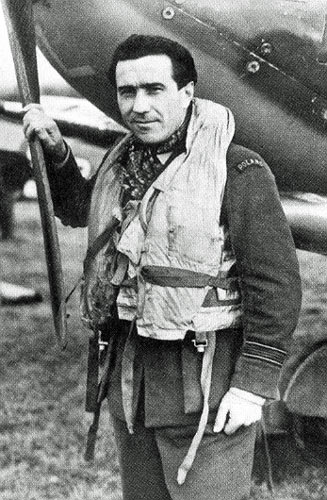
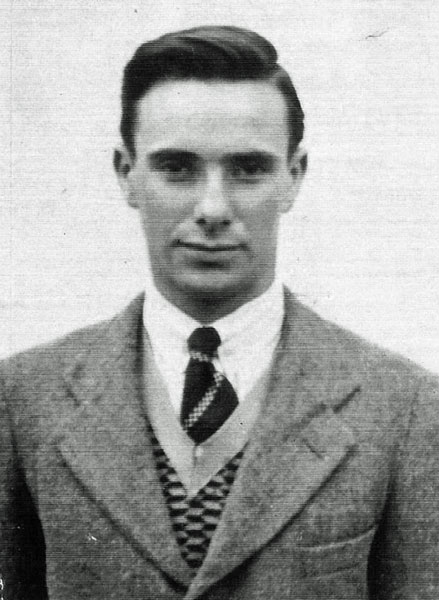
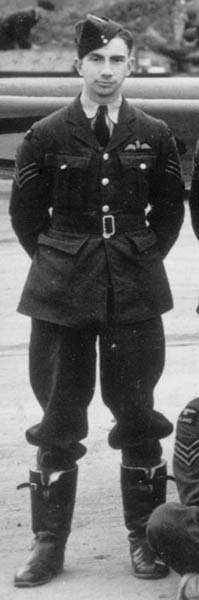
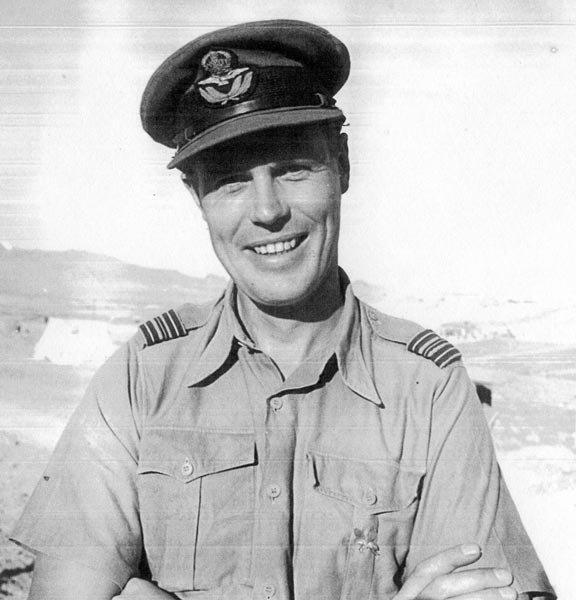
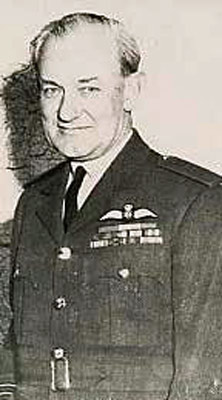
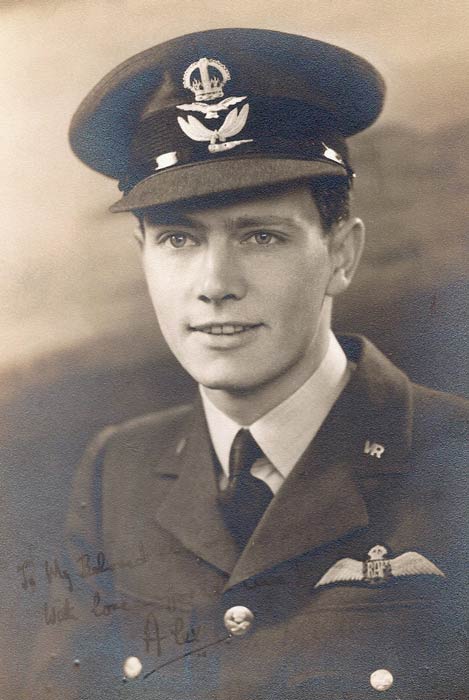
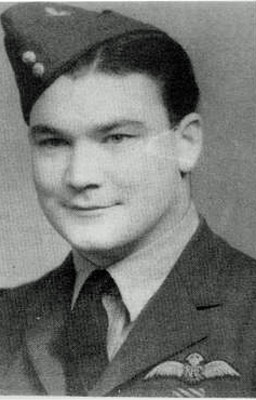
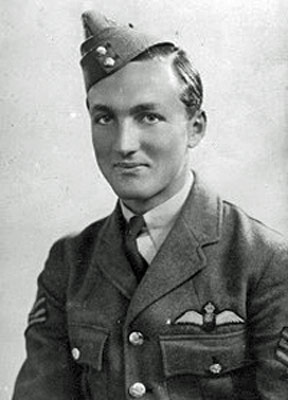
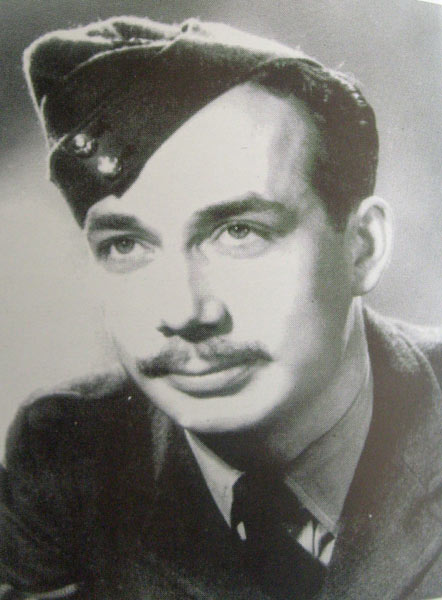
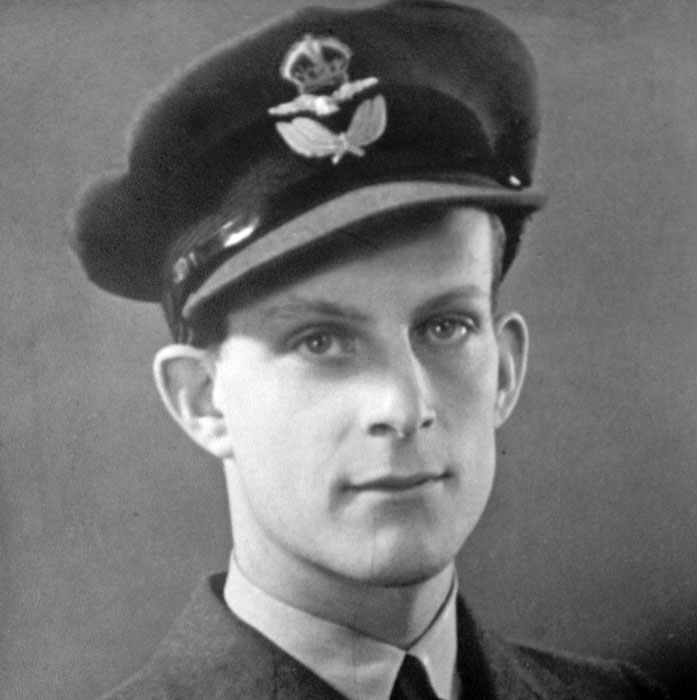
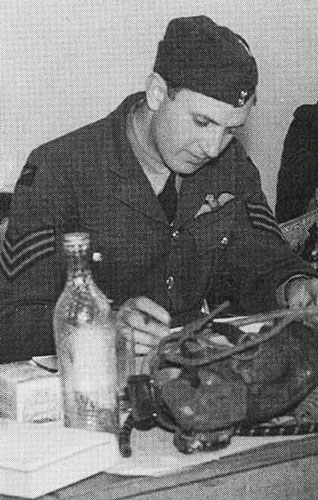
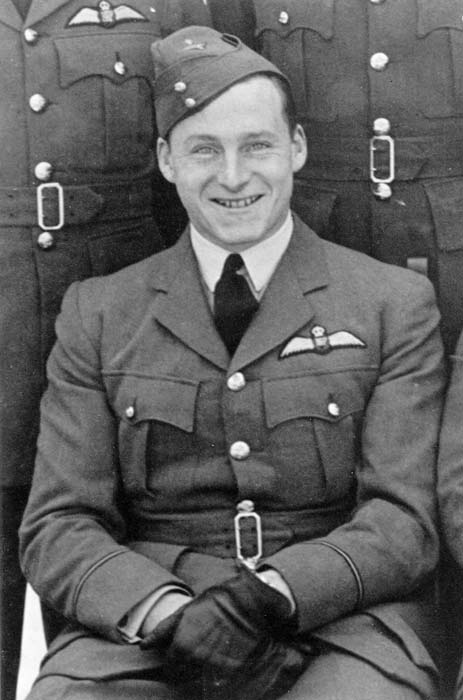
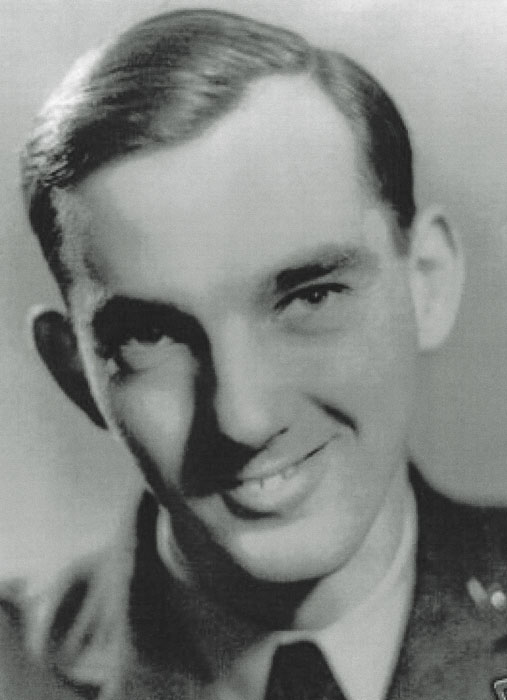
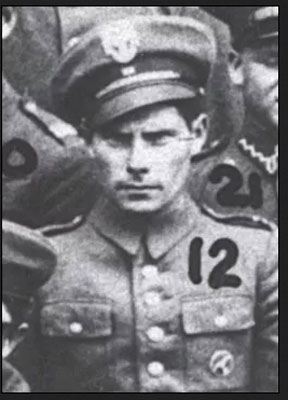
Audio File Below
A recording of Dennis Southard speaking about his experiences of watching a dogfight over the estuary and Exmouth from his location at Dawlish Warren sometime during WW2. He believes a Polish Hurricane pilot shot down the German bomber and he initially thought it was a Spitfire. However, a combat took place over the location on the 25 August 1940 with two Hurricanes from 213 Squadron who were based at RAF Exeter at that time. Pilot Officer Jacques Phillipart was from Belgium and claimed to destroy a JU88 five miles south of Exmouth.
We believe this is the combat that Dennis was talking about.
Click on this link to listen Interview with Dennis Southard
Source references:
Operation Record Books (ORB) National Archives Kew, London:
213 Sqn AIR 27/1315:
Combat Reports National Archives Kew, London:
213 Sqn AIR50/83:
This page was last updated 16 March 2026.