263 Squadron:
(Fellowship of the Bellows)
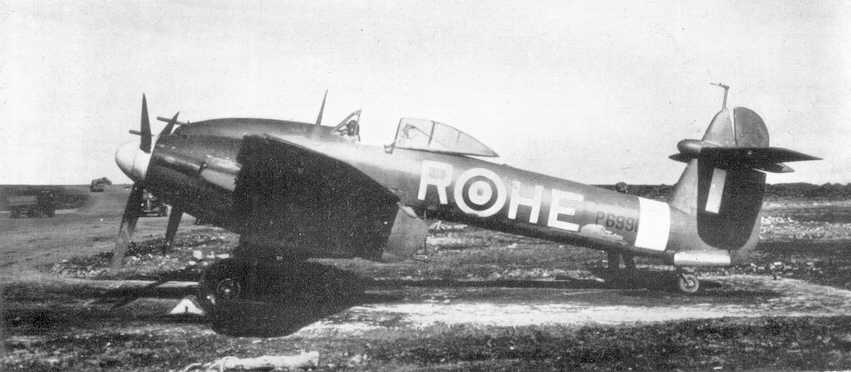
263 squadron began to reform at RAF Drem on 12 June 1940. The Squadron was the first to be equipped with the Westland Whirlwind (although initially they were supplied with the Hawker Hurricane before the first Whirlwinds arrived).
In November 1940 the squadron arrived at RAF Exeter, Clyst Honiton, with the Whirlwinds mainly deployed to fly convoy protection patrols.
On 12 August 1941, P/O D Stein of No. 263 squadron engaged a Junkers 88 forty miles South West of the Scillies and was credited with a “probable”; this claim was later stepped up into the “destroyed” category. This was the first Whirlwind engagement with the enemy and the first Whirlwind victory of the war. For 263 Squadron it was the first victory since the close of the Norway campaign.
Offensive sweeps across France began in June 1941, but the aircraft were not equipped to act as fighter-bombers until June 1942. The fighter-bomber Whirlwinds were used to attack German airfields and shipping, before being replaced with Hawker Typhoons in December 1943.
The Squadron was operated in a very detached way out of RAF Exeter causing undue stress and confusion amongst the airmen. A detachment Flight operated out of St Eval in Cornwall and so this greatly reduced the number operating from Exeter. On arrival, the new pilots that needed flying experience in the Whirlwinds did so out of RAF Charmy Down as Exeter was not thought to be suitable. This not only made it a very short spell at RAF Exeter, but also a very disjointed stay lasting just three months with the Squadron departing in February 1941.
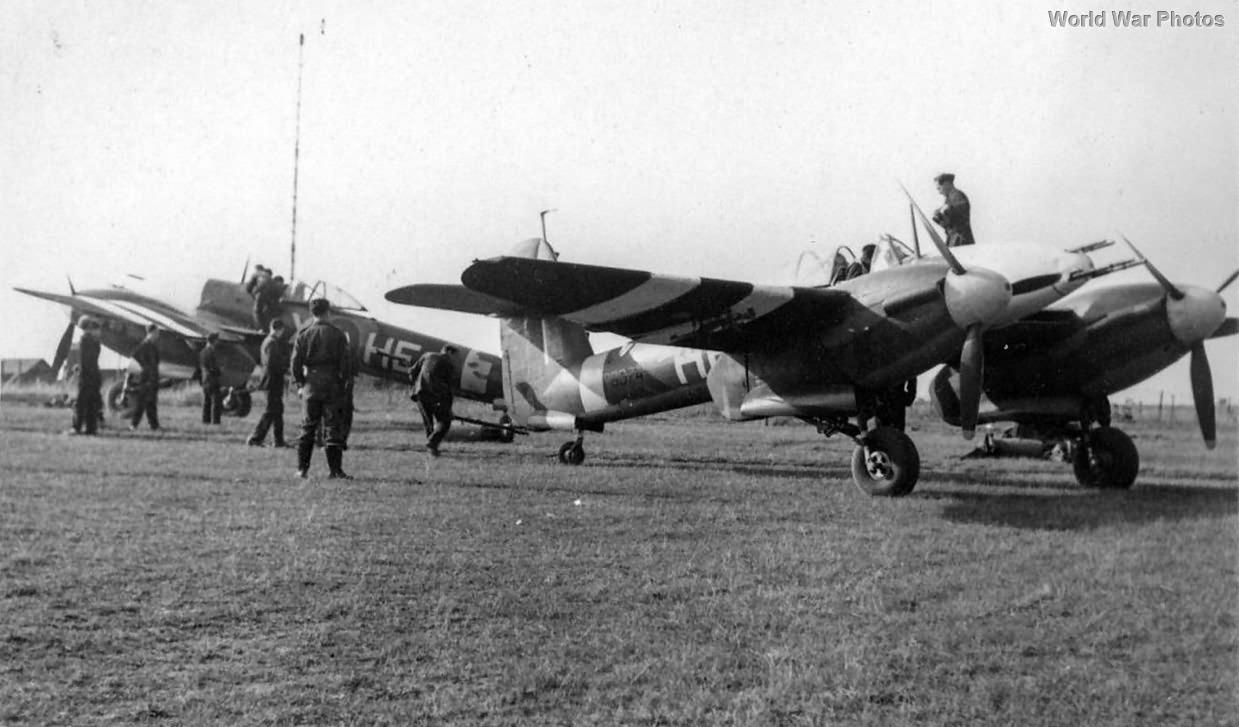
The Squadron aircraft codes were: HE as can be seen in the photo below.
The squadron was disbanded on 30 August 1945.
More information on the Squadron History can be found here - Rickard, J (4 August 2011), No. 263 Squadron (RAF): Second World War, http://www.historyofwar.org/air/units/RAF/263_wwII.html
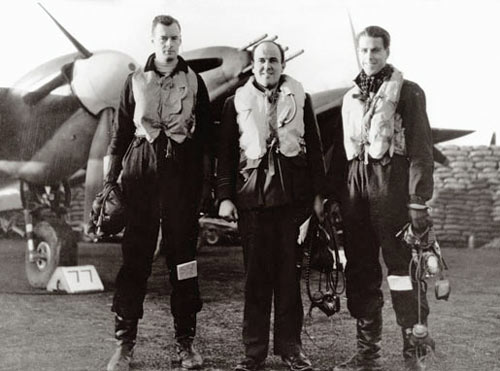
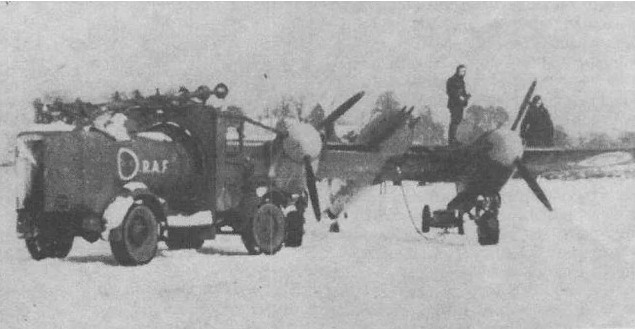
263 Squadron Gallery
Lorem ipsum dolor sit amet, consectetur adipiscing elit. Nulla euismod condimentum felis vitae efficitur. Sed vel dictum quam, at blandit leo.
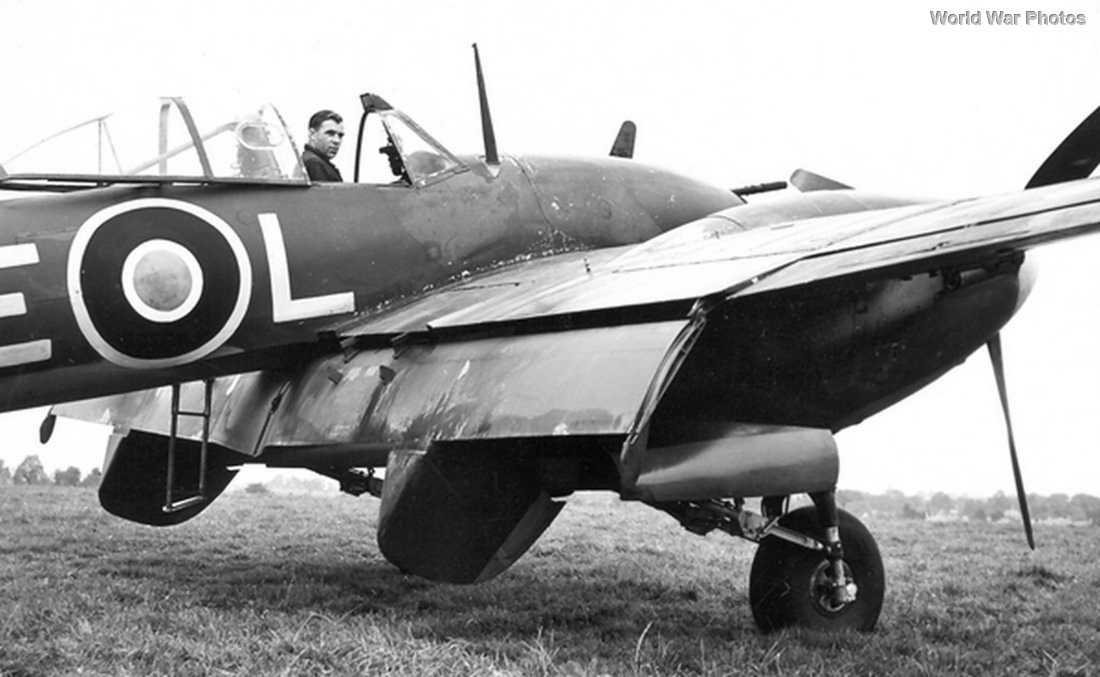
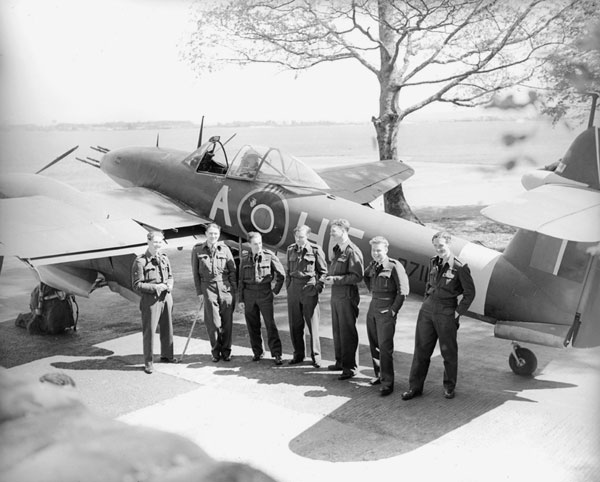
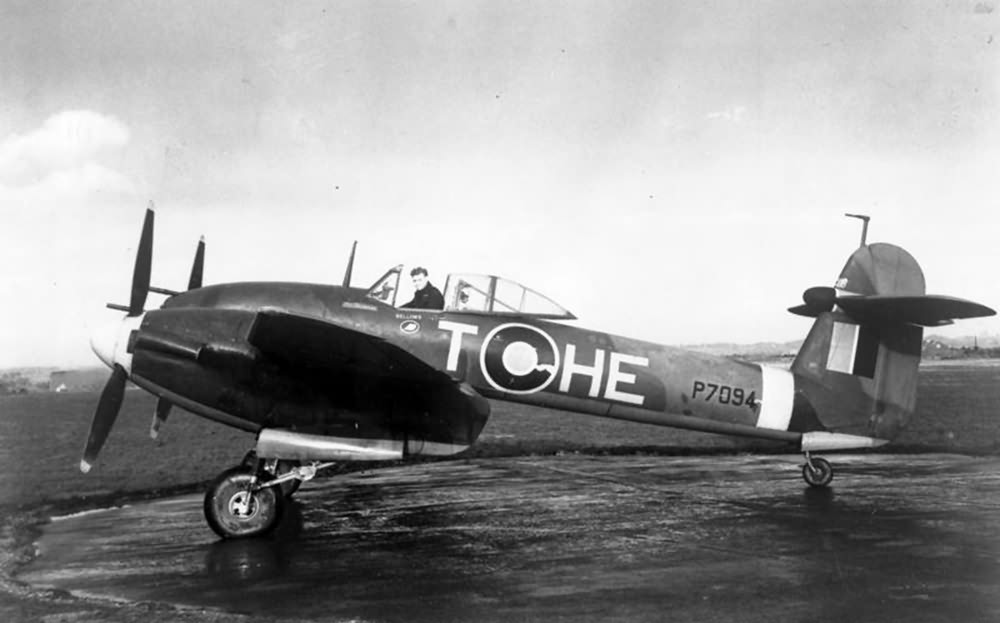
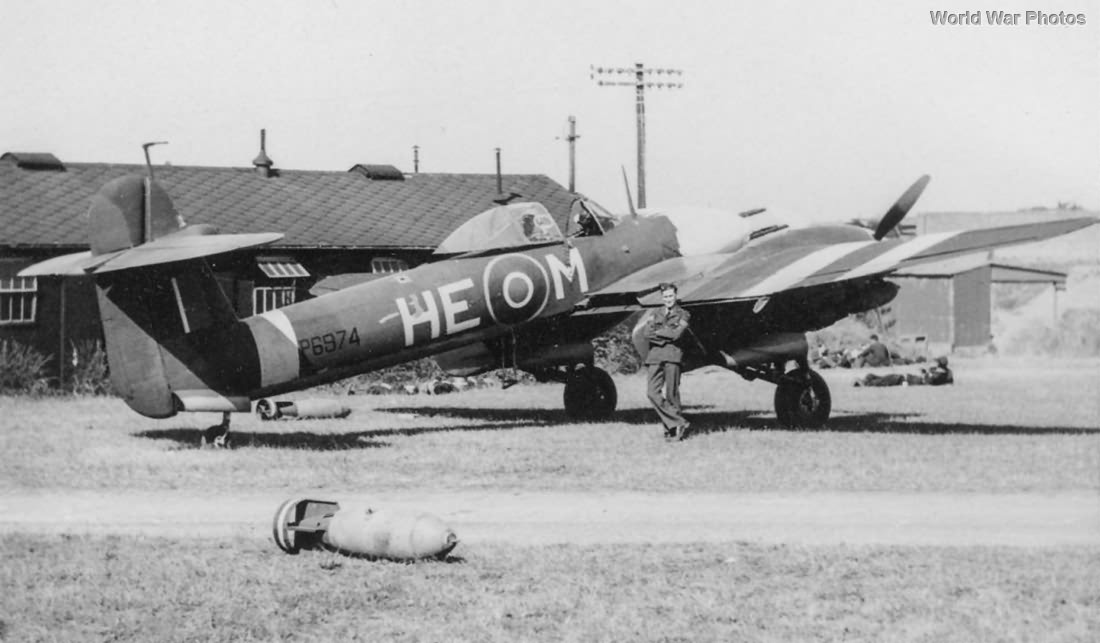
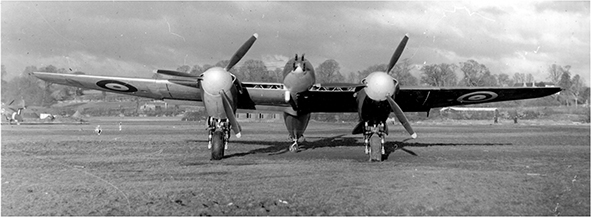
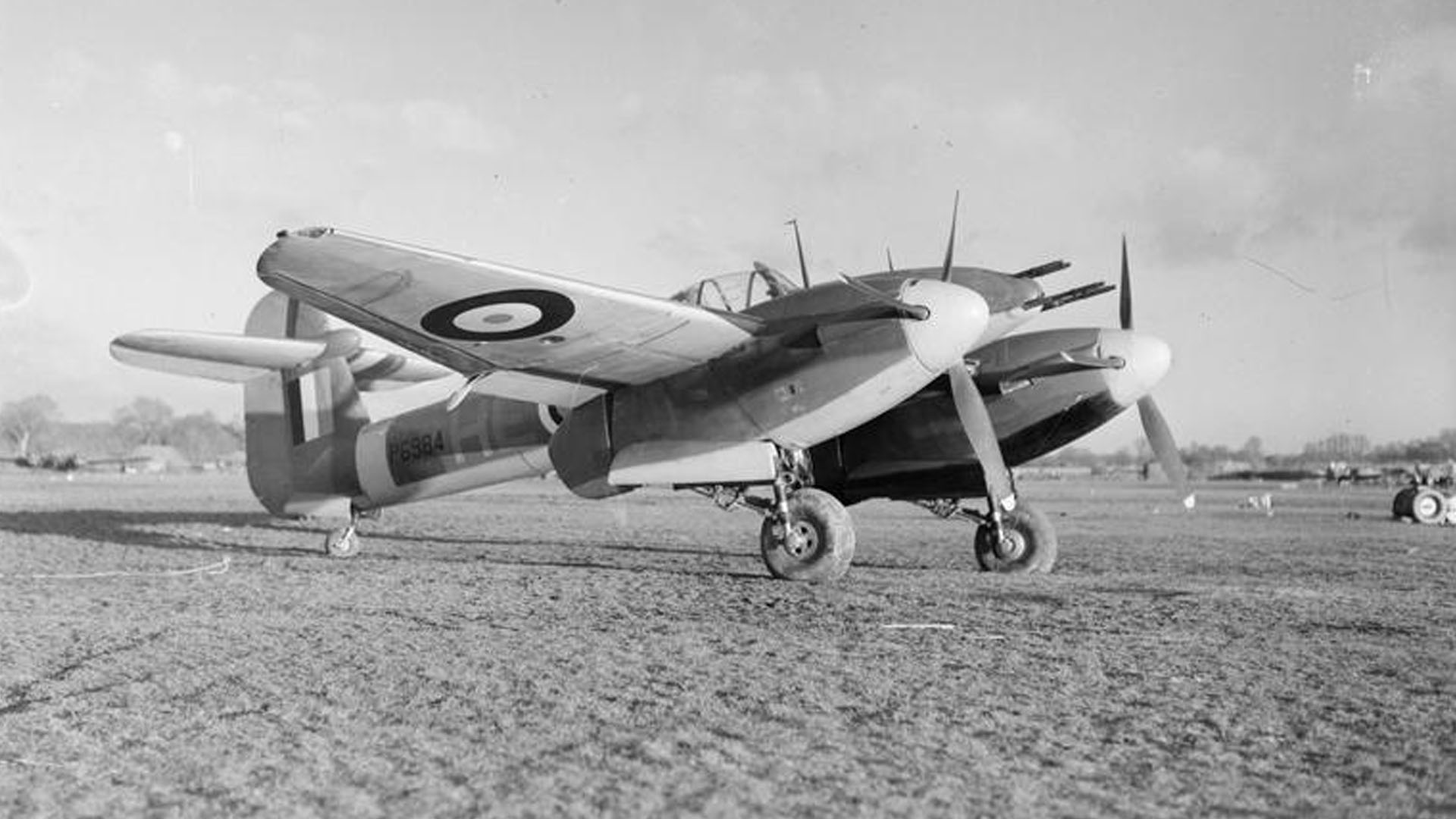
Support the 'Whirlwind Fighter Project' in order to help reproduce a single (and the world's only) example of the Westland Whirlwind Mk 1 aircraft of World War II.
Click below to find out more
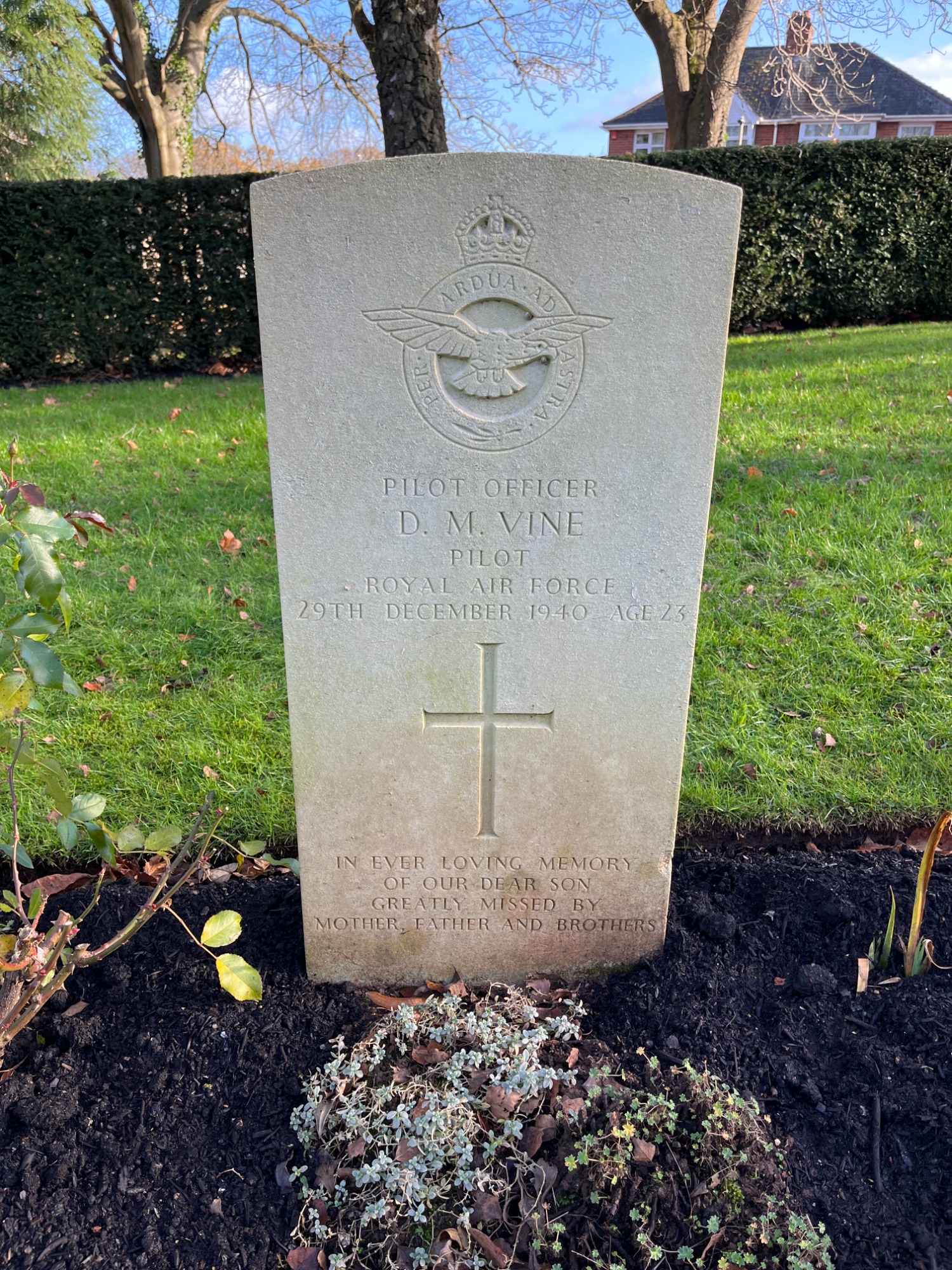
Pilot Officer D. M. Vine who flew with No. 263 Squadron from RAF Exeter, was part of the Royal Air Force Volunteer Reserve (RAFVR). Sadly, he lost his life on the 29 December 1940, he was aged 23. He was the Son of Sydney John and Kathleen Maud Vine, of Peaslake, Surrey. He reportedly suffered an aircraft accident in his Westland Whirlwind P6978 when tasked to fly to St Evel, Cornwall, along with Flt Lt. W O L Smith and Pilot Officer Kitchener in the afternoon. The three aircraft experienced some bad weather when the cloud base was down to 200ft when in the vicinity of Bovey Tracey, Devon. Pilot Officer Kitchener suddenly saw the ground looming up at him and pulled up sharply. As he did so he saw a flash of light on his right and suddenly he was alone. Both Flt Lt. Smith and Pilot Officer Vine were reported missing presumed dead.
Wynford Ormonde Leoni Smith was born on 28th July 1915 in Hendon, the son of James Leoni Smith and Mary Ethel Smith. His father was a bank clerk in Worthing. He attended St. Pauls School where he was the champion boxer in his weight class. On leaving he was employed by the Milk Marketing Board.
Smith joined the RAF on a short service commission in October 1935. He was posted to 6 FTS Netheravon on 19th October and, with training completed, he went to the School of Army Co-operation at Old Sarum for a course. On 11th February 1937 Smith was posted to the Aircraft Depot Karachi, moving soon afterwards to 5 (Army Co-Operation) Squadron at Risalpur. He spent his leave in Australia where he became engaged.
It would appear that Smith was a flying instructor at No. 1 FTS Leuchars in Spring 1940. He joined 263 Squadron at Drem from No. 1 FTS on 20th June 1940. In early July 1940 Smith was serving with 263 Squadron at Grangemouth as a Flight Commander. On the 13th he was involved in a night flying accident, crashing at Carstairs Junction Public School, Lanark, attempting to land in a built-up area. Smith was unhurt. His Hurricane, P2991, was written off.
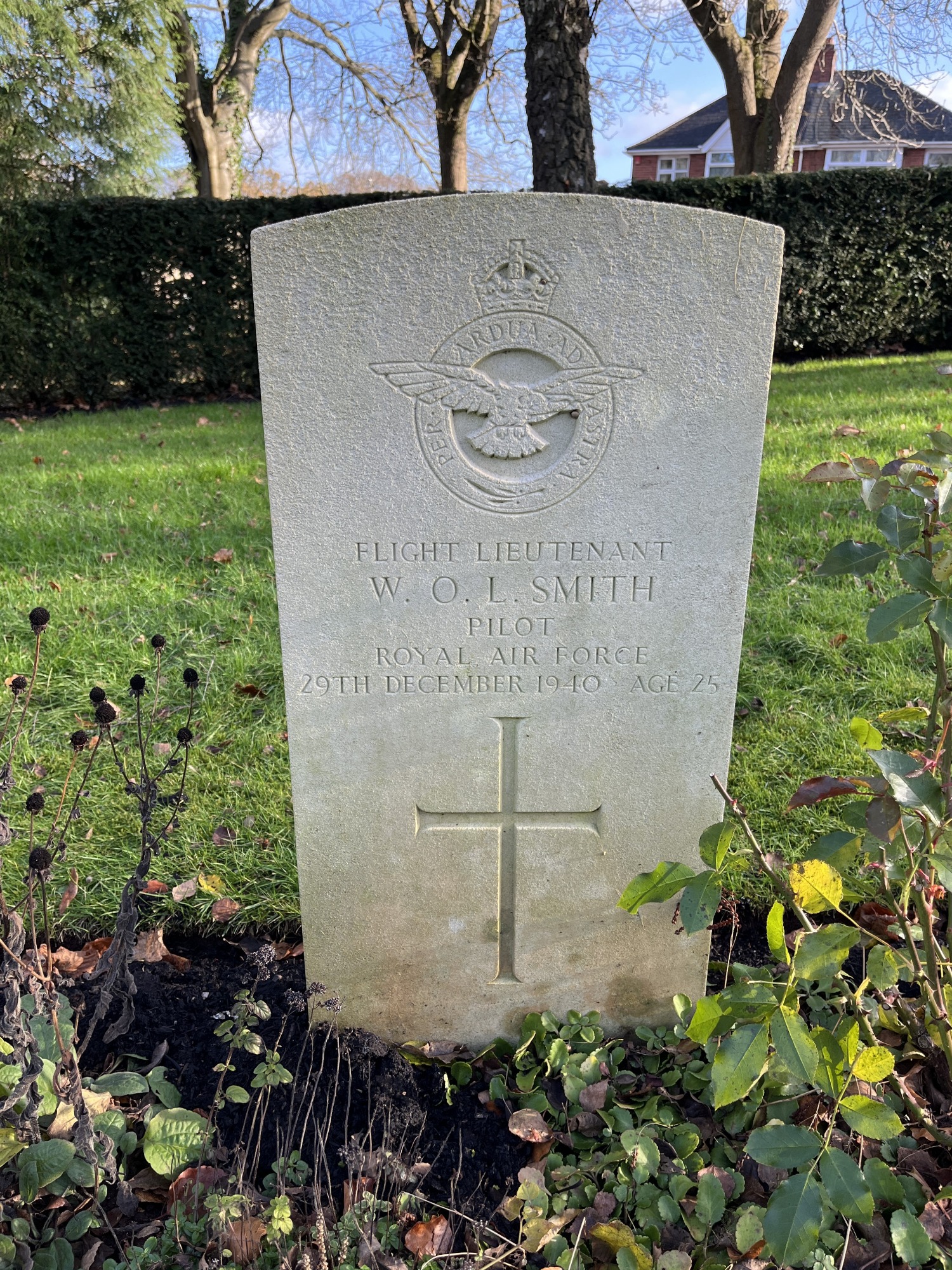
He was killed on 29th December 1940 when he crashed near Bovey Tracey in Whirlwind P6975. His aircraft collided with Pilot Officer D M Vine who was in Whirlwind, P6978, when both were descending through poor visibility.
Smith was then a Flight Lieutenant, aged 25. Both pilots are buried in the Commonwealth War Graves Commission Plot at the Higher Cemetery, Heavitree, Exeter, Devon.
Source of information - The Battle of Britain London Monument website and the Commonwealth War Graves Commission website. Both cross referenced.
Source references:
Operation Record Books (ORB) National Archives Kew, London:
263 Sqn AIR 27/1547:
Combat Reports National Archives Kew, London:
263 Sqn AIR50/103:
This page was last updated 13 January 2026.