Exeter Flying Club
A Members Club
Exeter Flying Club was officially formed on the 30 March 1971, when the formation committee called the Inaugural meeting, and the club was officially declared a 'Members Club'. The original Flying Club at Exeter was known as the Exeter Aero Club but sadly this had disbanded several years before. In the latter part of 1970 several private owners who kept their aircraft at Exeter Airport decided to endeavour to form another club and with the assistance and co-operation of Mr H. R. Ellis the Director and General Manager of Exeter Airport Ltd. this had now been achieved.
At the meeting 93 people joined the club and since that day the membership continued to climb. Initially the Exeter Flying Club had no official premises however they were granted permission to make use of the briefing room in the Westcountry Aircraft Servicing Ltd. Hanger. Along with this Messrs. Fortes Ltd. provided club refreshment facilities.
The initial fleet of aircraft was 2 Cessna 150's, 1 Cessna 172 and 1 PA28 Cherokee. All aircraft were made available for hire and at extremely competitive rates. The club was fortunate to have six fully qualified instructors, who between them aggregate some 70,000 flying hours. The club offered tuition for the Private Pilot's Licence, IMC Rating, Night Rating and later on Radio/ Telephony Licence. Many students were soon obtaining their Private Pilot Licences, IMC Ratings.
Trial lessons were offered at £3 with no obligation to take on full membership of the club or to indeed continue flying.
The adverts for the Exeter Flying Club boasted the following sales pitches,
1. Exeter Airport has one of the finest weather records of any airport in the country.
2. You will have the benefit, from your first lesson of operating the aircraft radio in telecommunication with the Control Tower where professional controllers are on duty.
3. Exeter Airport is fully equipped for all contingencies and is manned by professionals, in addition to which separate approach and tower frequencies are operated both with V.D.F. facilities, approach radar is available, permanent runway lighting is installed, complete with approach VASI's.
4. You will learn to fly on an operational airport which means that when you fly to another busy airfield, you will not find anything strange.
5. The wealth of experience of the instructors is probably unparalleled at any other club in this country.
6. Exeter Flying Club being a Member's Club is non-profit making and therefore 'Your Club' and its policy is directed by the members through Officers and Committee that they elect. Mr Brian Claridge was the Chairman and Mr Denis King was Vice Chairman.
The Club often took the opportunity to promote itself at the annual Exeter Air Day's by advertising in the official flying programme, but also by providing a flying demonstration sometimes up to four club aircraft as part of the Flying Display itself. War Veteran, Flying Instructor and Senior Flight Examiner Rufus Heald often provided a solo aerobatic display at low level along with leading a club formation sequence.
In the 1980's the club offered the following,
38 hour Approved PPL Course,
Flying Instructor Training Courses, Ground Instructor Training Courses, IMC, Night and Aerobatic Training, Twin Rating.
Aerial Advertising Banner Towing.
Pleasure Flights.
Aerial Photography.
Air Taxiservice anywhere in mainland UK.
The clubhouse now boasted an airport view location with briefing and lecture rooms, refreshments, and a licenced bar. Summers included barbecues out on the grass area with picnic tables. The RAF Red Arrows were frequent summertime visitors to the clubhouse where they made full use of the facilities for pre-flight/post flight briefings and refreshments. When using Exeter Airport as a temporary base the Red Arrows 10 (sometimes 11) Hawk T1 aircraft were lined up perfectly on what was runway 31, now the South Apron.
Sadly, Exeter Flying Club Ltd. was dissolved in March 2008 and is no longer. The excellent clubhouse with airport view location is now occupied by XLR Executive Jet Centre who handle all executive travel through the airport including Military visitors and Air Display pilots/ Teams.
Flt Lt M A Rufus Heald MBE
Jet Age, Close Calls, and Quiet Leadership
By 1949, Rufus Heald had entered the jet age, flying Gloster Meteors — a significant leap from his wartime piston-engine aircraft. He also flew Martinets for target towing duties, which he described as “a little different,” reflecting the varied demands of post-war RAF service.
In 1951, he transitioned to the de Havilland Vampire jets, and it was in one of these that he experienced a harrowing escape at the old Kai Tak Airport in Hong Kong. Following an engine failure, Rufus chose not to eject but instead glided the powerless aircraft toward the runway. With no braking capability, he hurtled toward a concrete wall. In a split-second decision, he applied full aileron, causing one wing to dig into the ground and spin the aircraft — striking the wall rear-end first. It was a daring maneuver that likely saved his life.
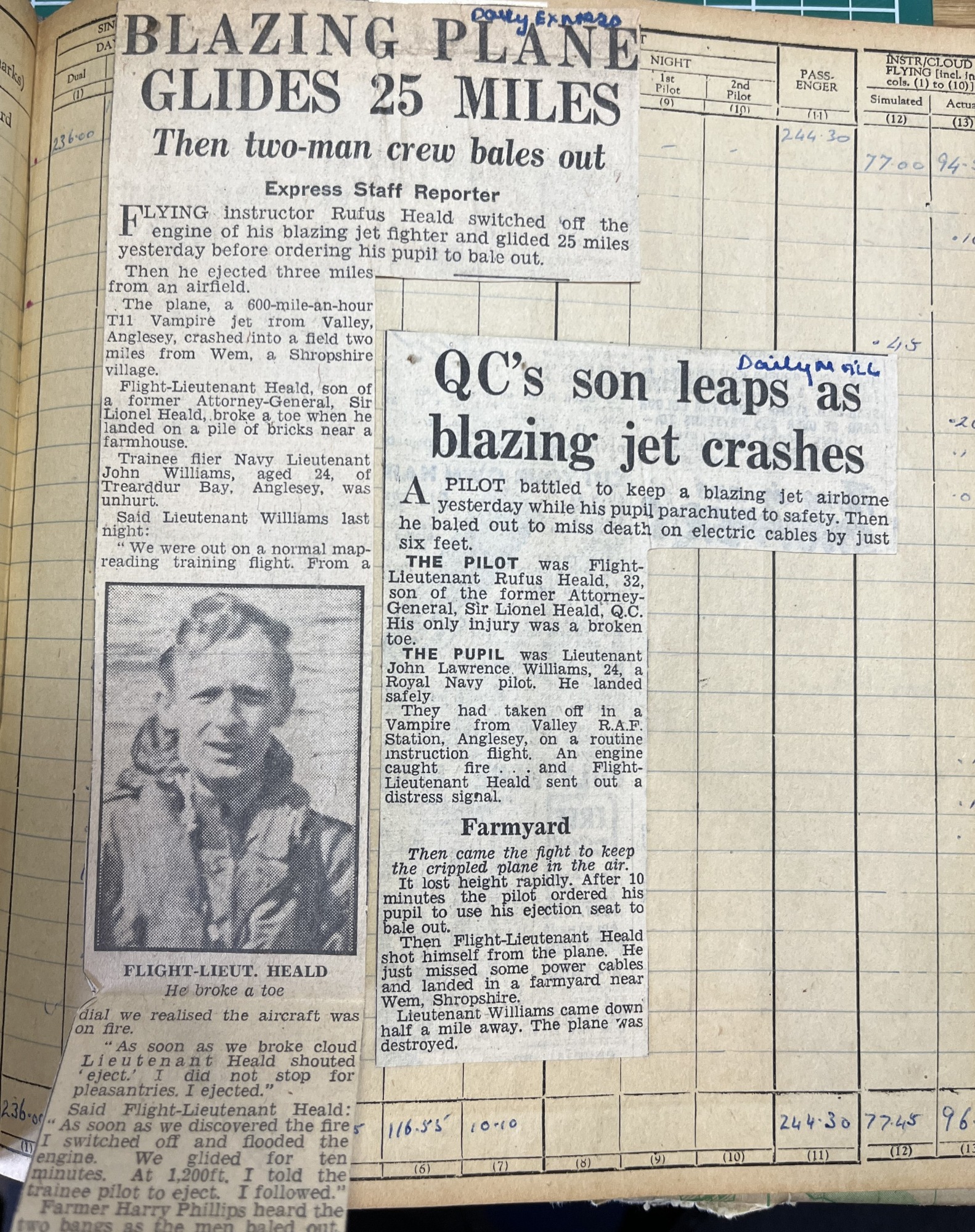
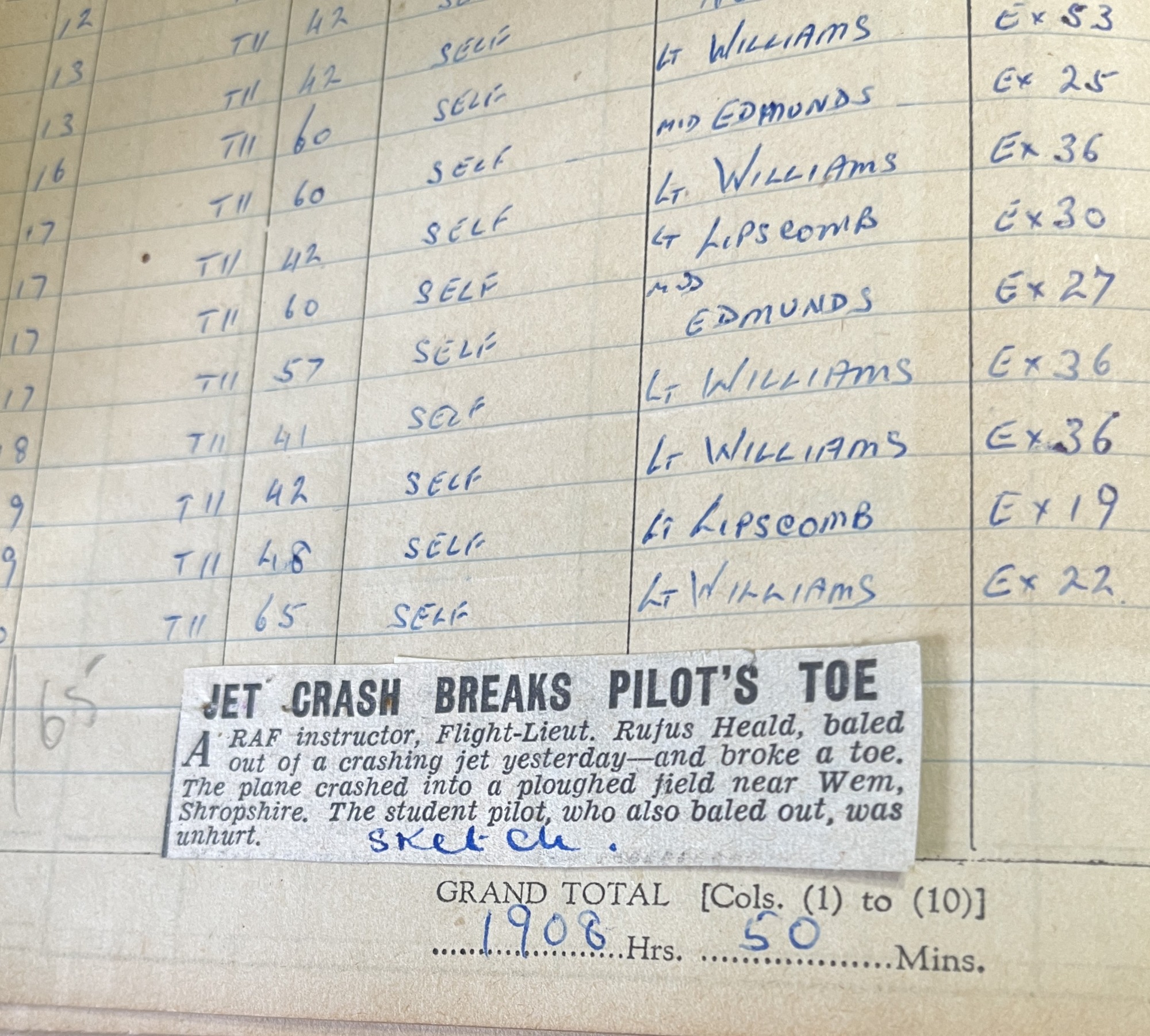
Another dramatic incident occurred in 1957 during a map-reading training flight from RAF Valley in a Vampire T.11 (WZ496). When an engine fire forced a shutdown, Rufus realized they couldn’t reach RAF Shawbury. He instructed his student to eject and followed suit himself at just 600 feet, landing two miles from Wem in Shropshire. While the student escaped uninjured, Rufus suffered a foot injury after landing on a pile of bricks — a painful but survivable outcome.
In 1953, Rufus flew a Vampire in the massed flypast over London for Her Majesty Queen Elizabeth II’s Coronation — a proud moment in a distinguished career.
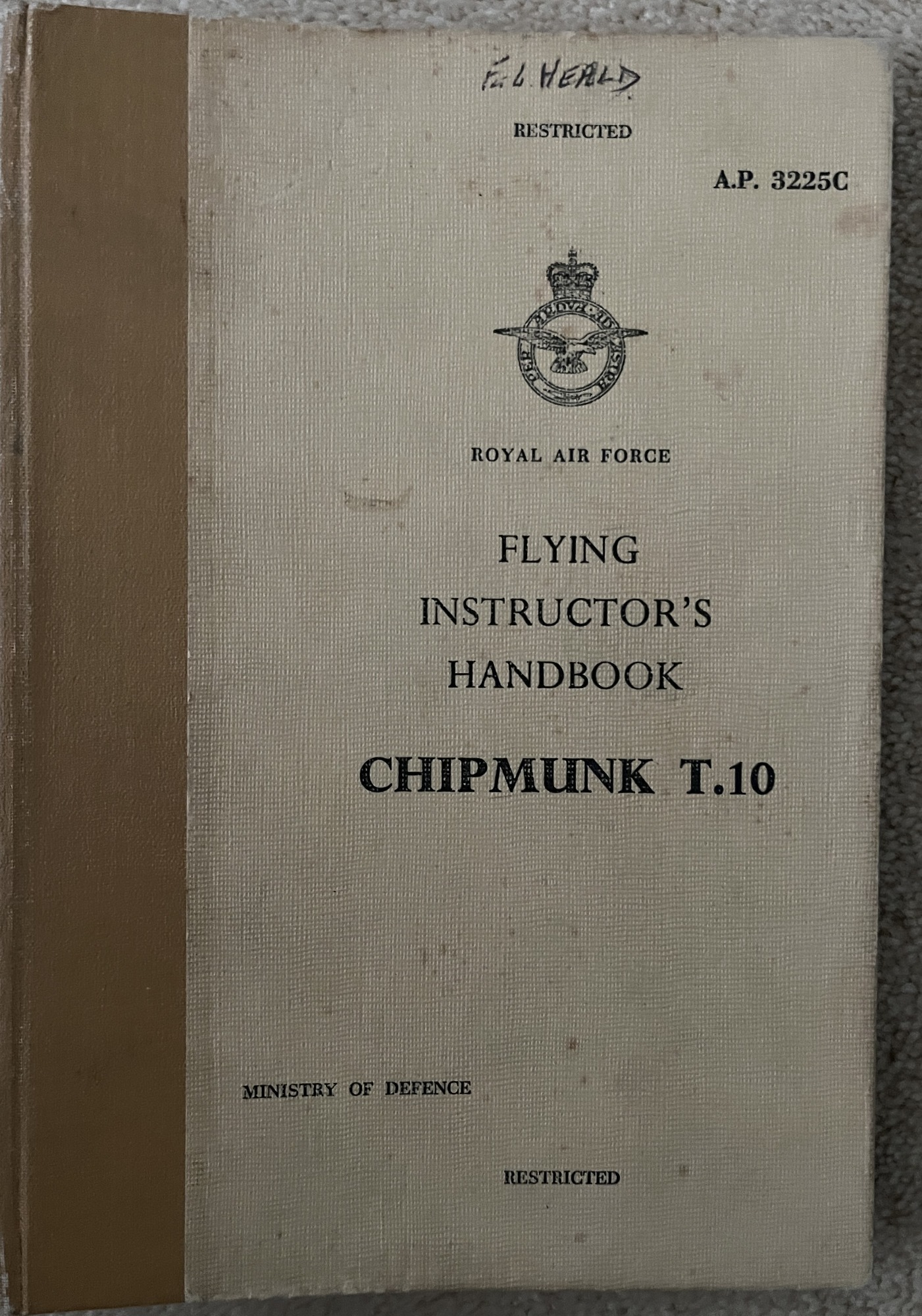
Following his time at RAF Valley, Rufus was posted to RAF Wildenrath in Germany as Station Adjutant, then returned to the UK to serve at the RAF College of Air Warfare at RAF Manby in Lincolnshire. From 1964, he held a post at MOD Whitehall, writing under the nom de plume “Wing Commander Spry” — authoring monthly aviation safety articles in the RAF magazine Air Clues until 1967.
That same year, Rufus became Commanding Officer of No. 4 Air Experience Flight at Exeter, flying Chipmunks and introducing generations of Air Cadets to the joy of flight. In the early 1970s, he helped found the Exeter Flying Club with fellow local pilots, operating from a corner of a hangar where the arrivals terminal now stands — a quiet legacy of community and mentorship.
Towards the end of his RAF career Rufus did a number of ground jobs including Hunter Simulator Instructor on 226 OCU at RAF Chivenor before being posted to RAF Mount Batten, Plymouth as a Survival Instructor and Trials Officer for all three Services tasked with the testing and evaluation of all new survival equipment for aircrew, Rufus was awarded the MBE for this work. Even when “flying a desk” on ground tours with the RAF, he managed to somehow get airborne frequently to keep himself current.
Upon leaving the RAF in 1980 after 38 years, Rufus worked for the Civil Aviation Authority for about four years and then became CFI at Bournemouth Flying School and then Skylane Flight Training at Southend before returning to instructing at Exeter and Plymouth.
During his time with Exeter Flying Club, he would provide air displays along with other club aircraft at some of the local displays including the Exeter Air Days.
After three attempts at retirement throughout the 1990’s, and a medical scare in the form of a benign tumour in 1992, he had another lifeline in the form of medical surgery that he survived minus one kidney!
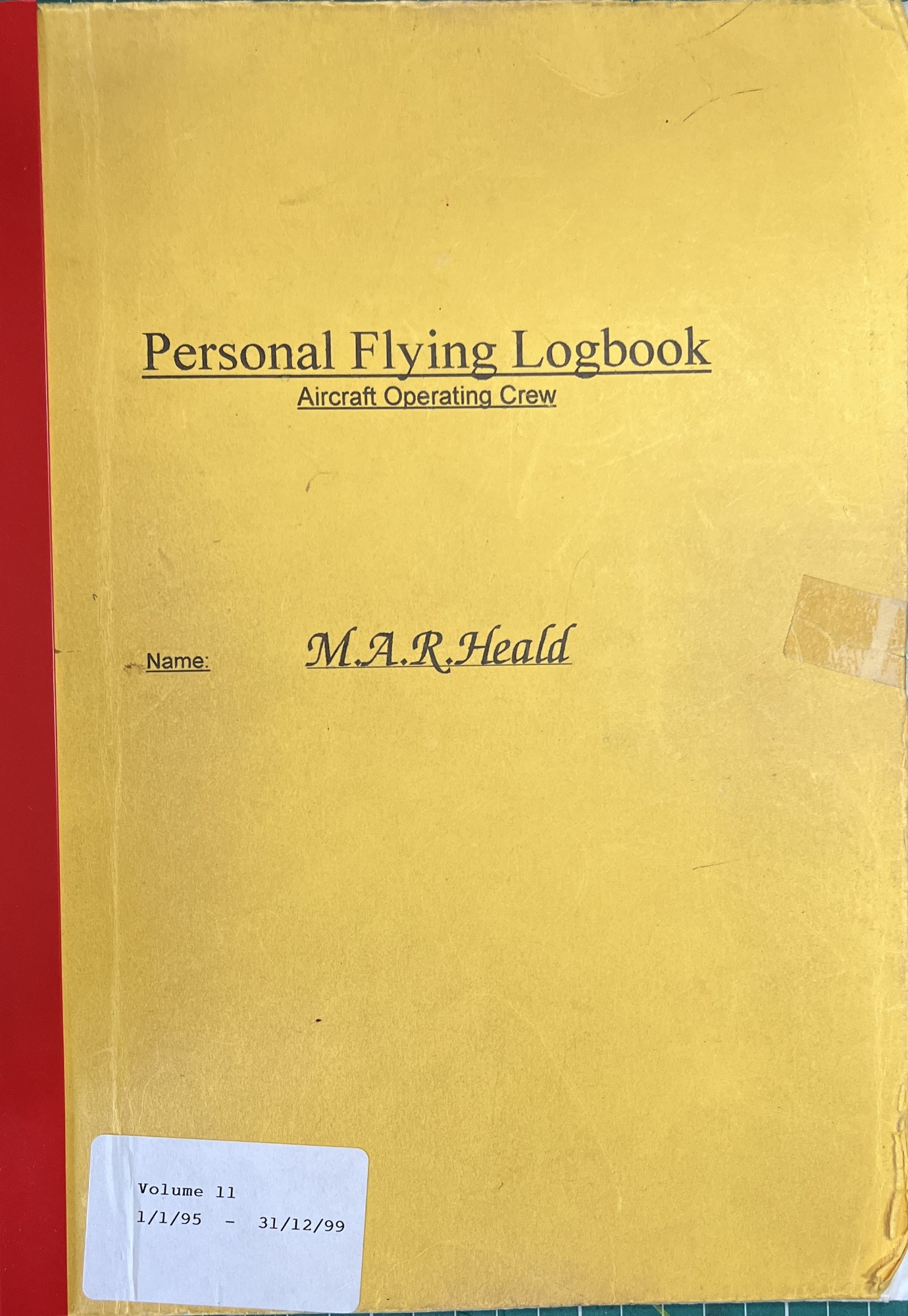
He eventually became involved in writing flying training columns for a magazine called ‘European Flight Training News’ which was published monthly. He also wrote columns for Flyer magazine and his autobiography called ‘ Rufus Remembers’ which was published in 1997. His autobiography notes him as one of Britain’s most experienced pilots and who could doubt that.
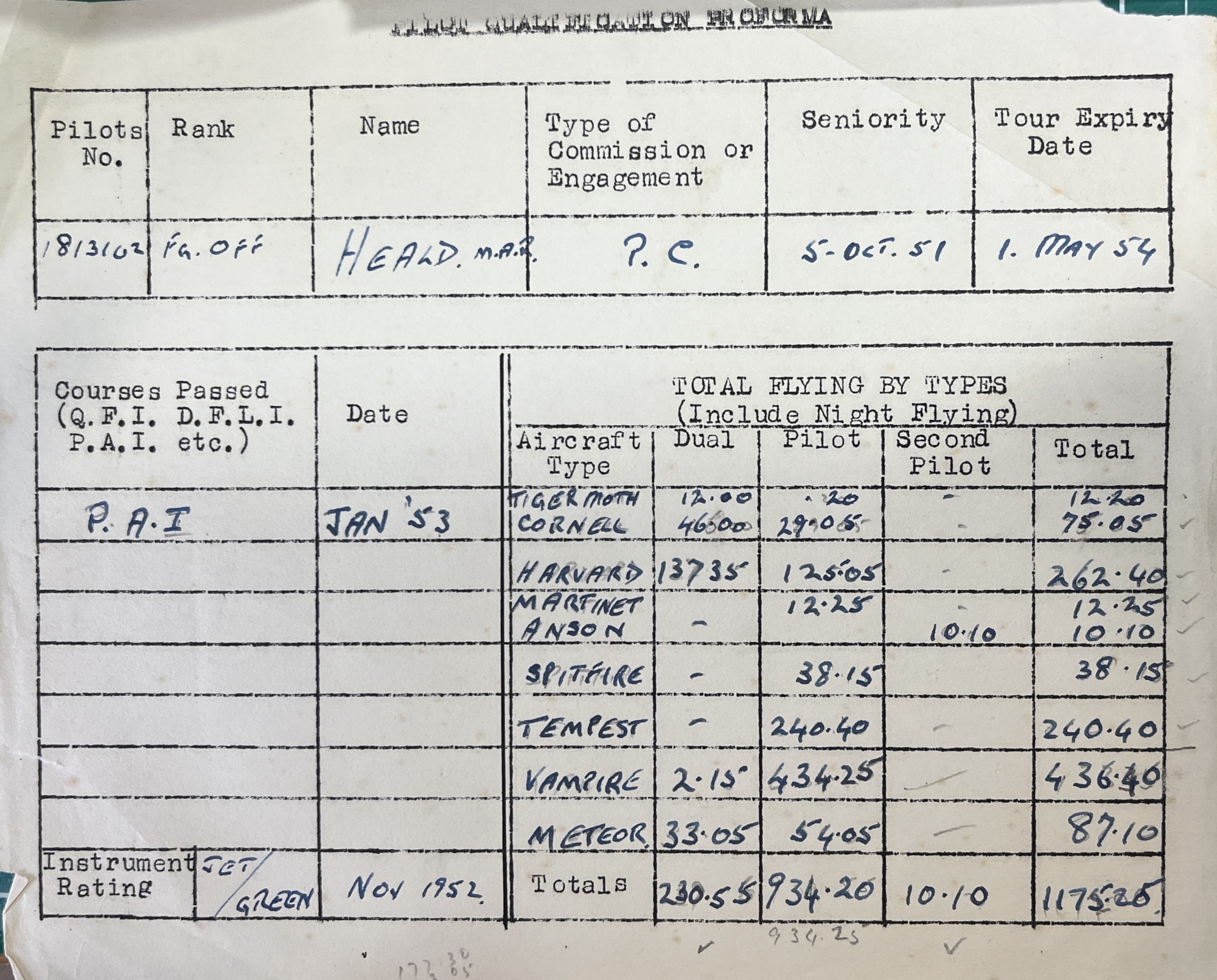
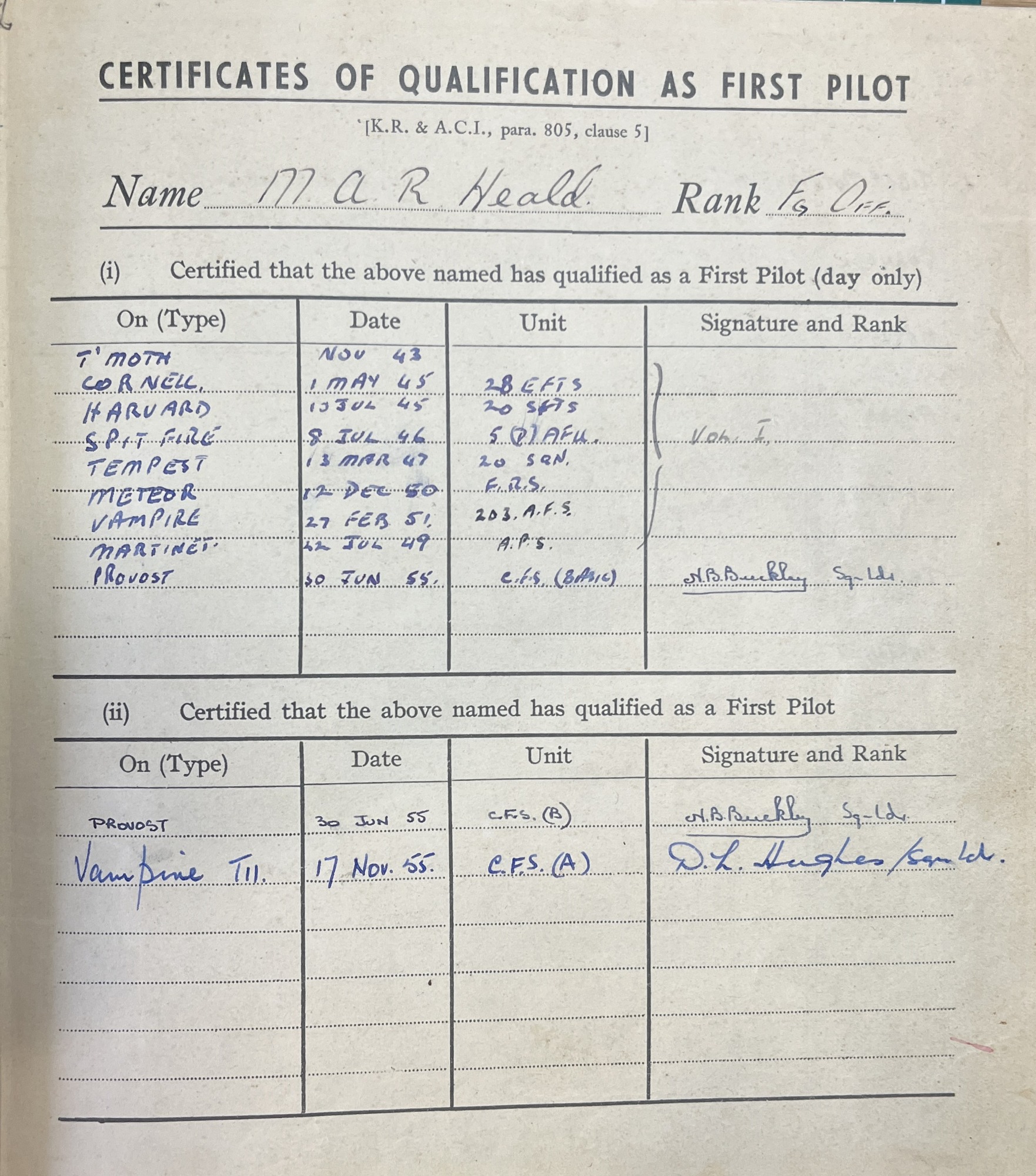
Needless to say, with so many flying hours in the log books, Rufus had many scrapes and prangs but like a cat with nine lives, he lived to tell his story. His log books proves that he could fly many different types of aircraft and he was responsible for training so many young men to fly.
I for one am proud to not only know Rufus, but to have flown alongside him. He was a truly remarkable and talented man.
Sadly, Rufus who was born in London in 1925, passed away in his beloved County of Devon on 1 December 2022, aged 97.
Gallery
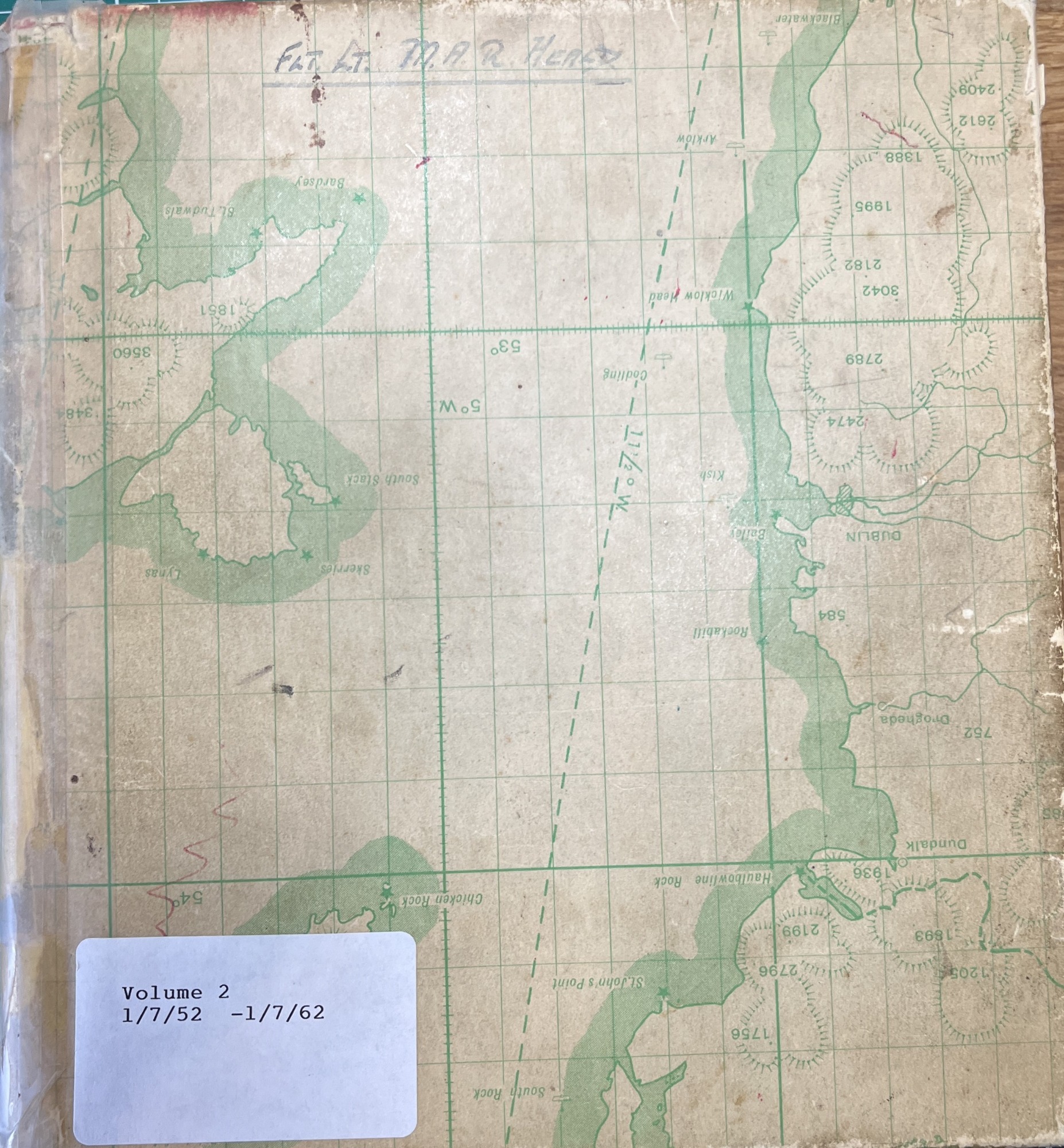
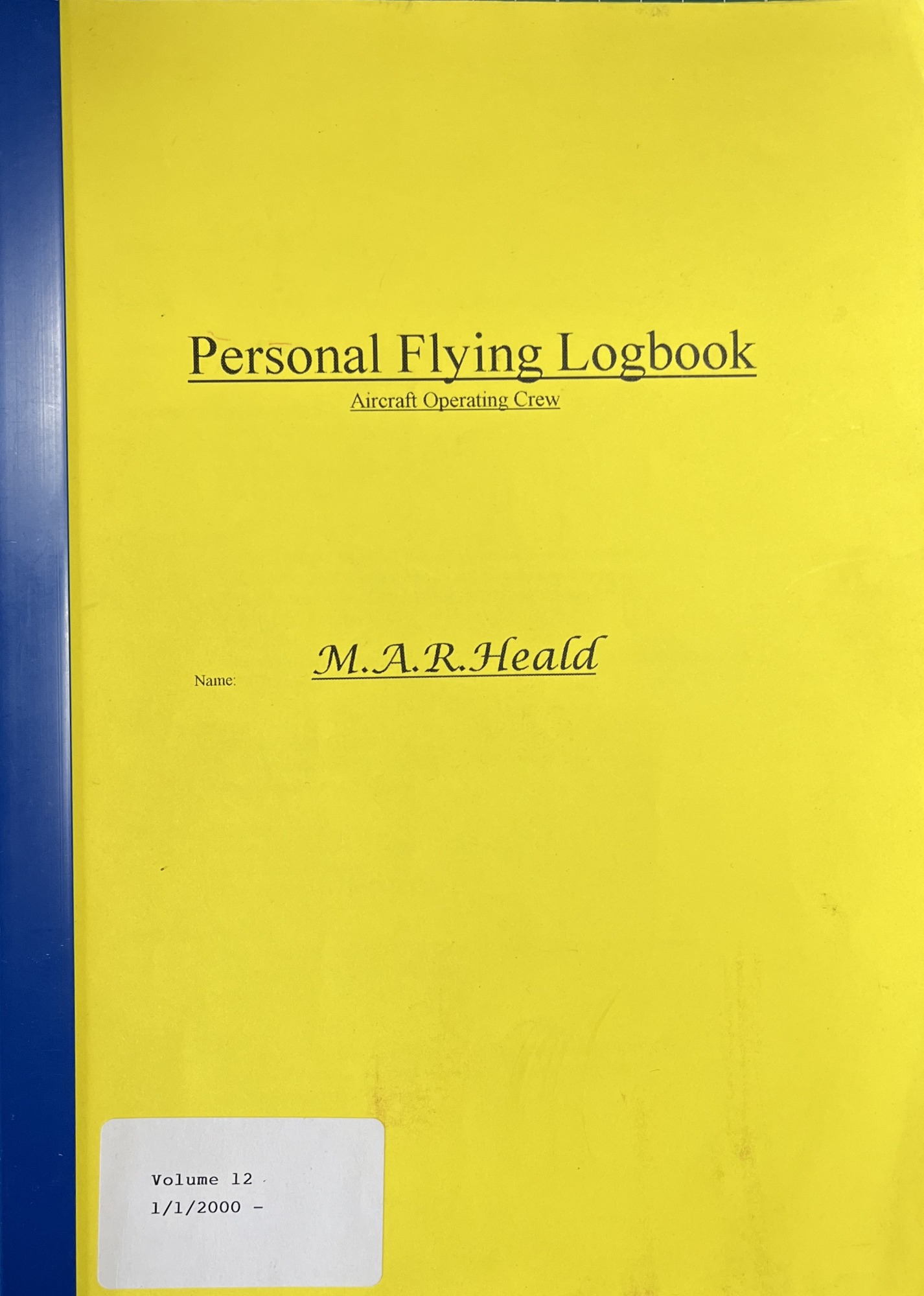
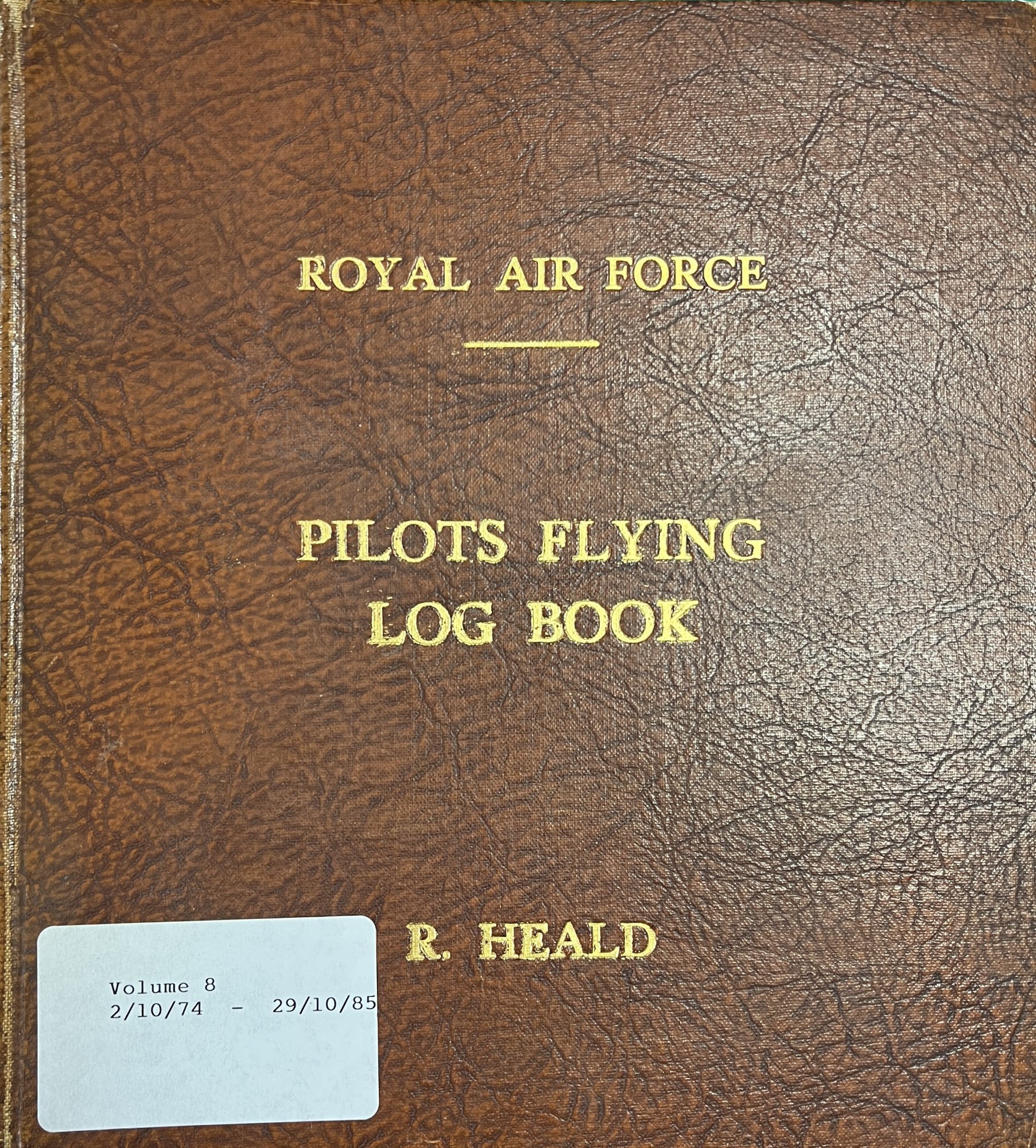
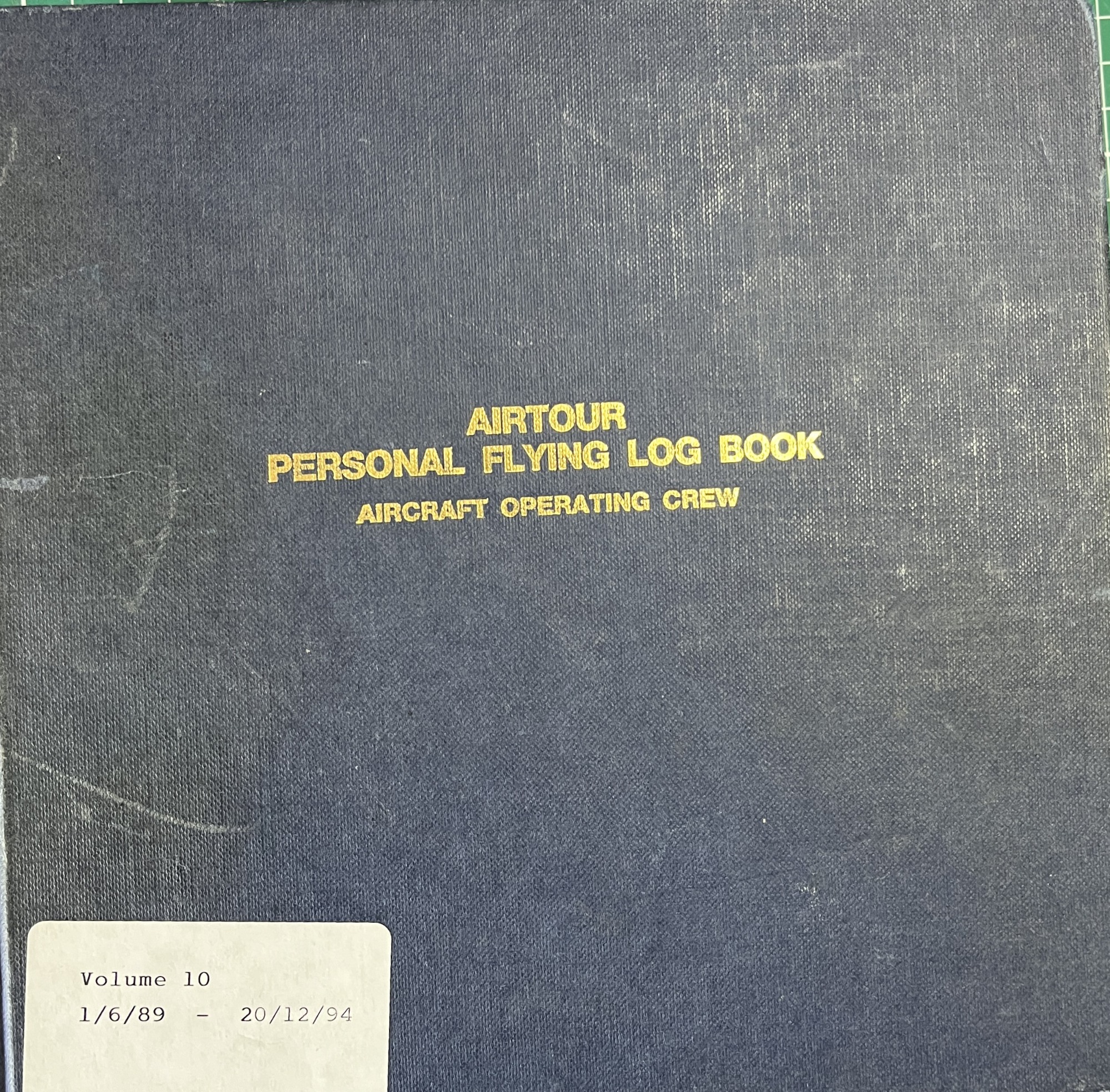
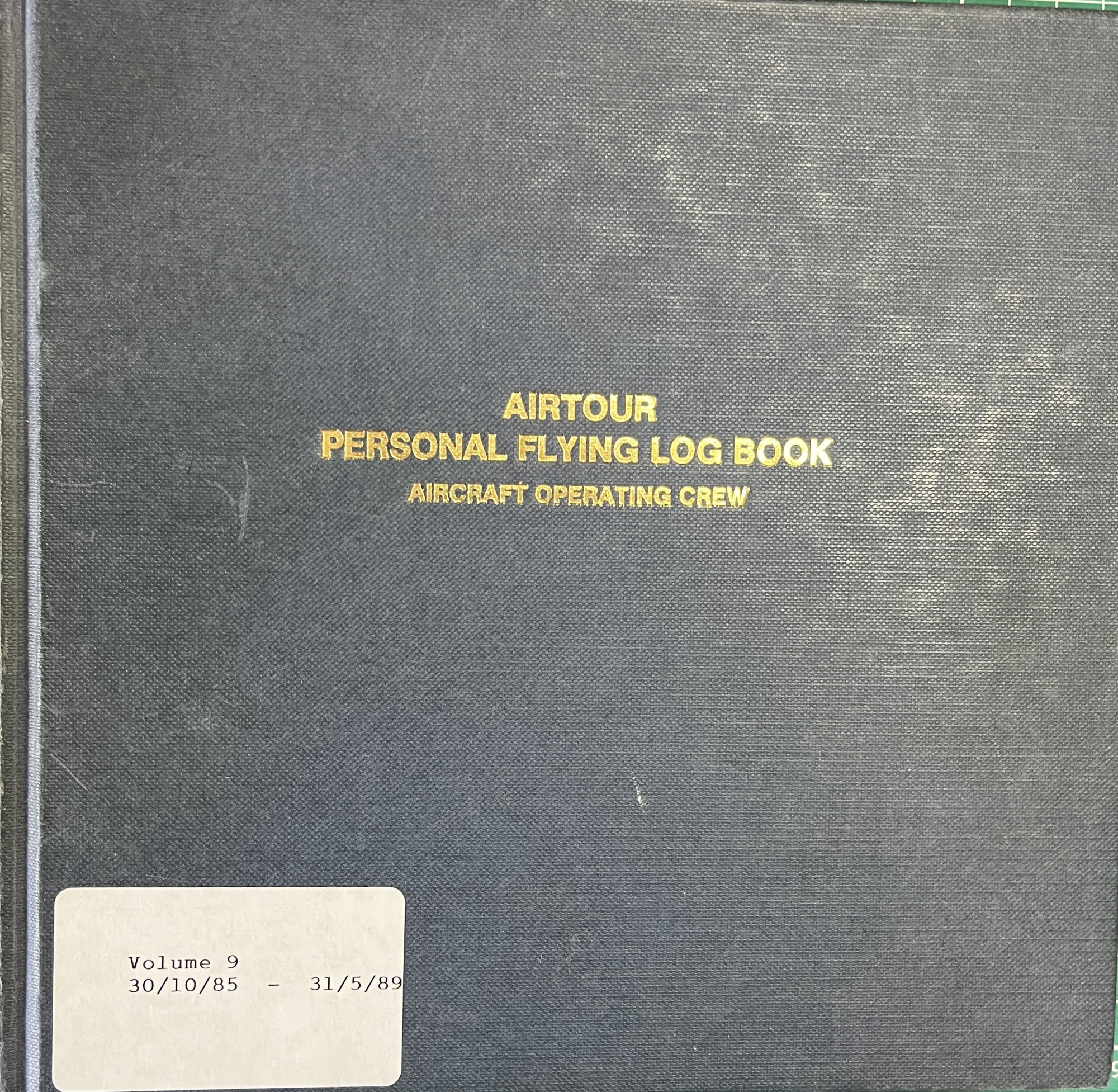
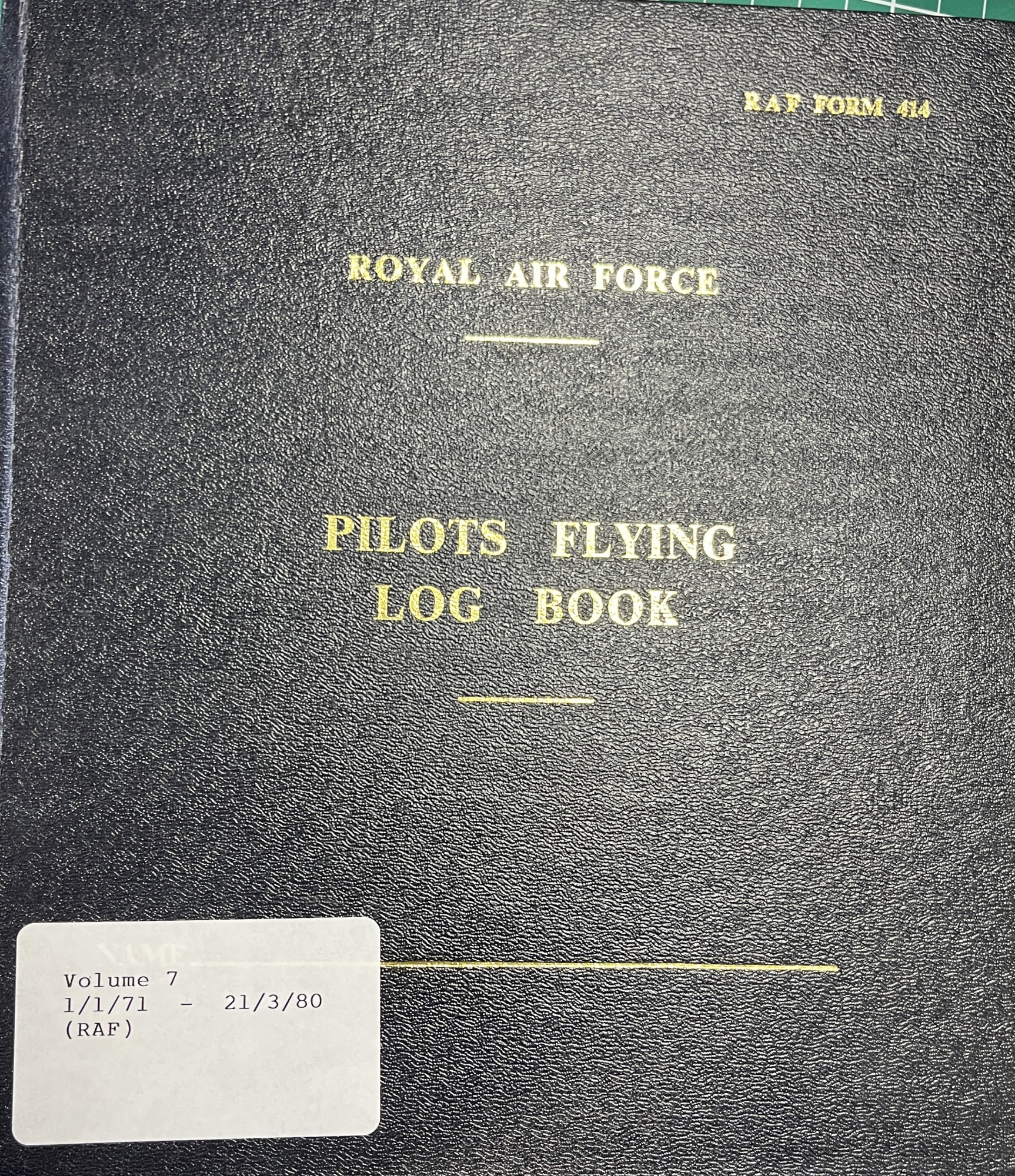
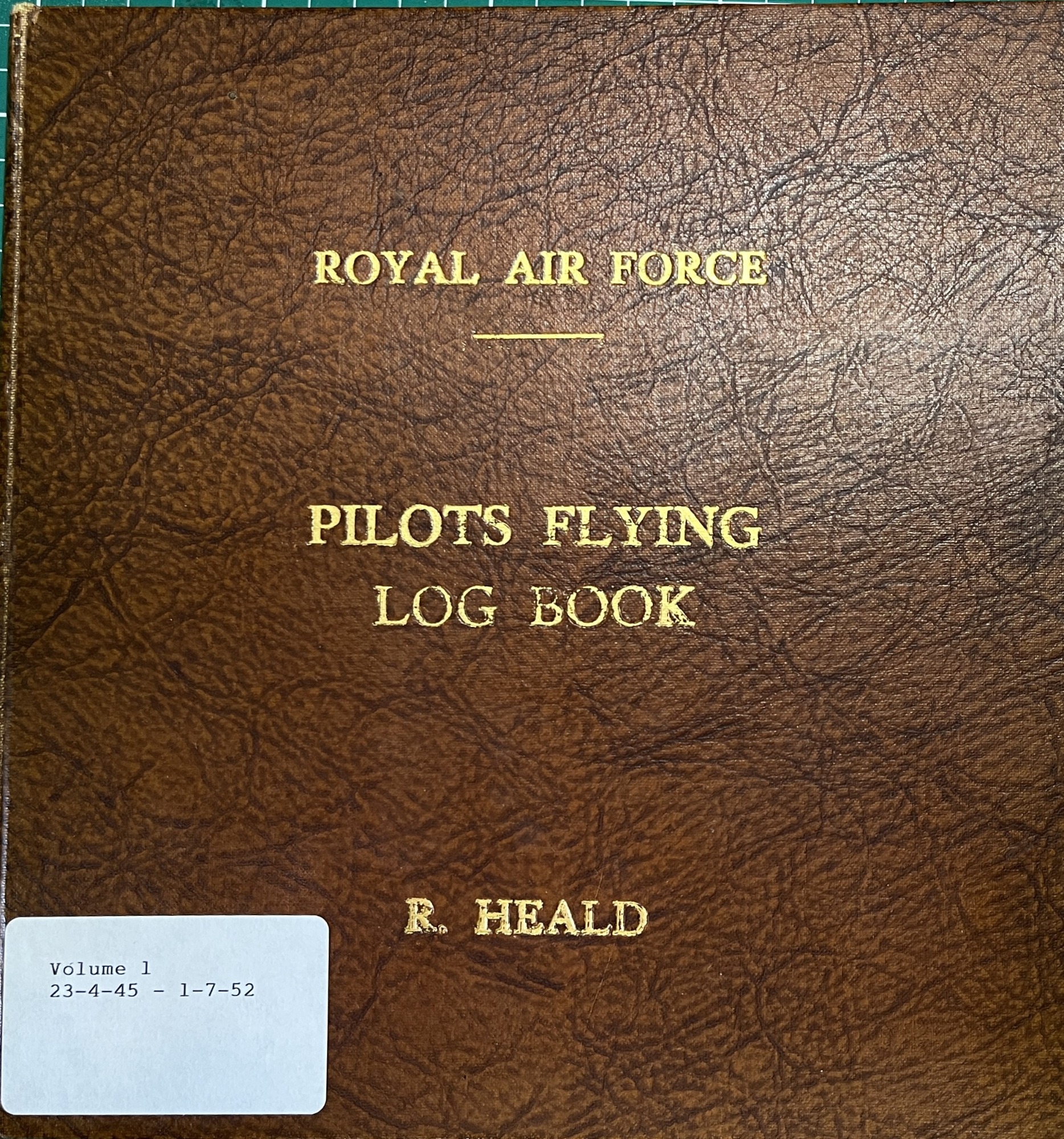
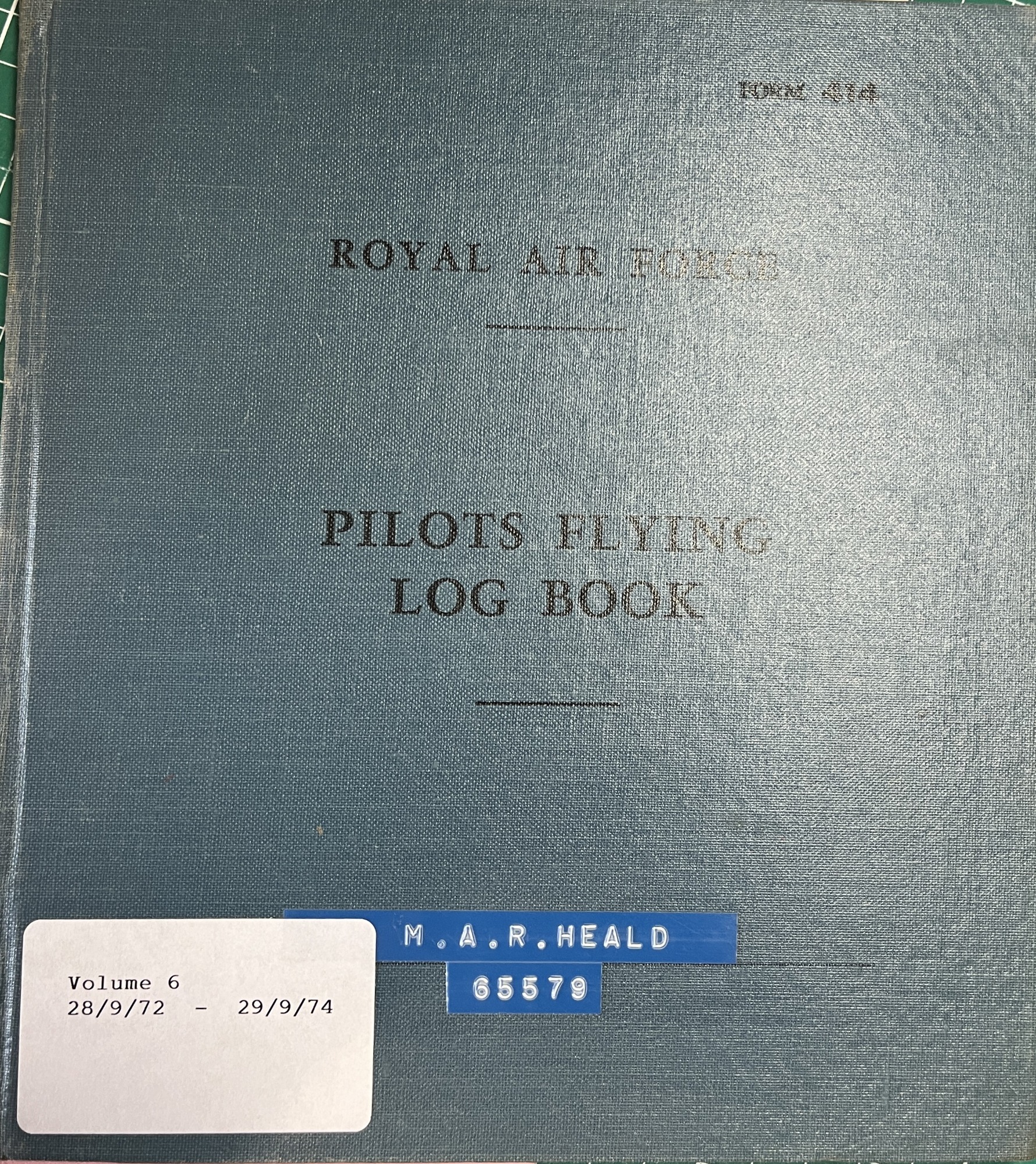
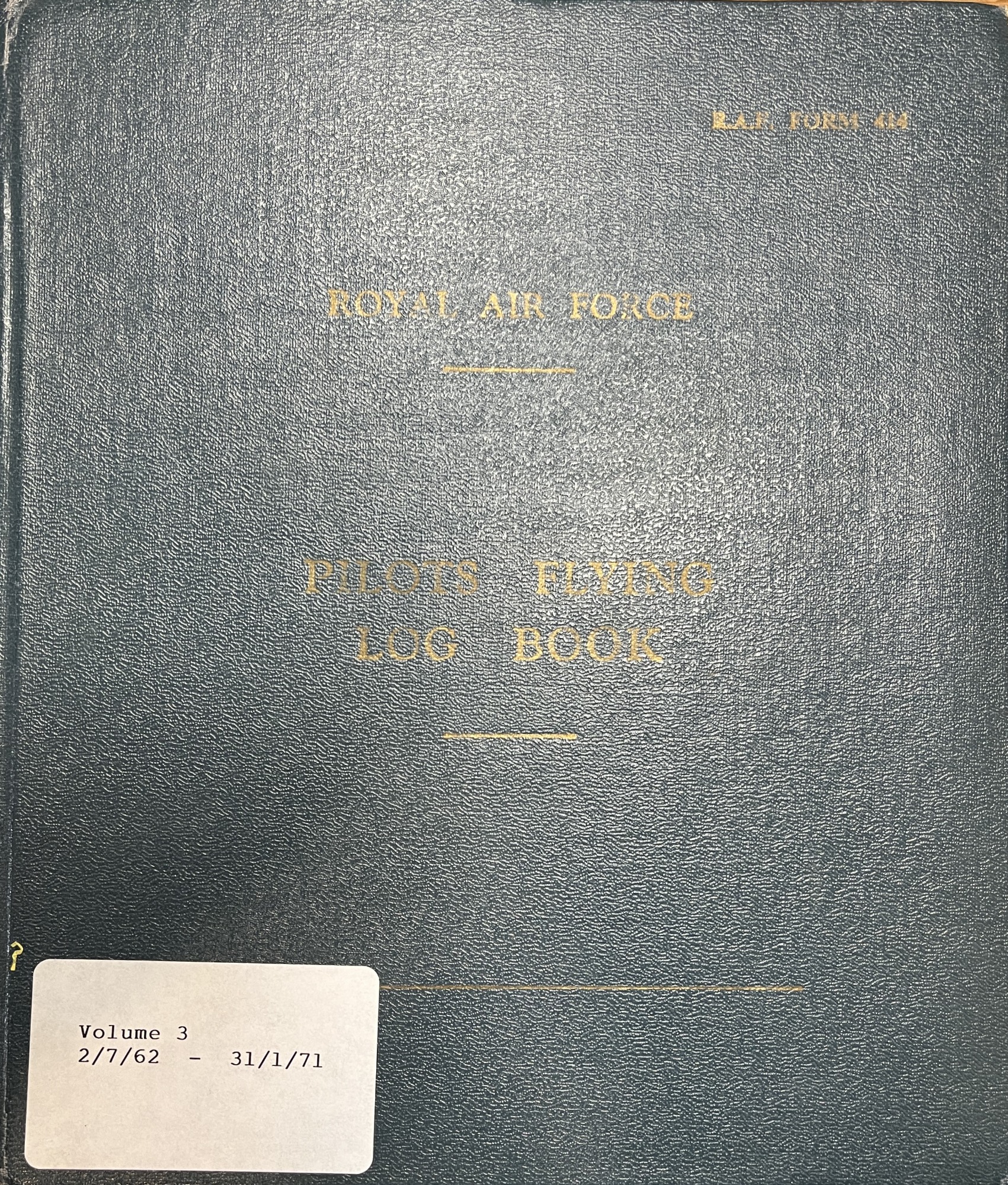
The log books and press cuttings of Rufus Heald
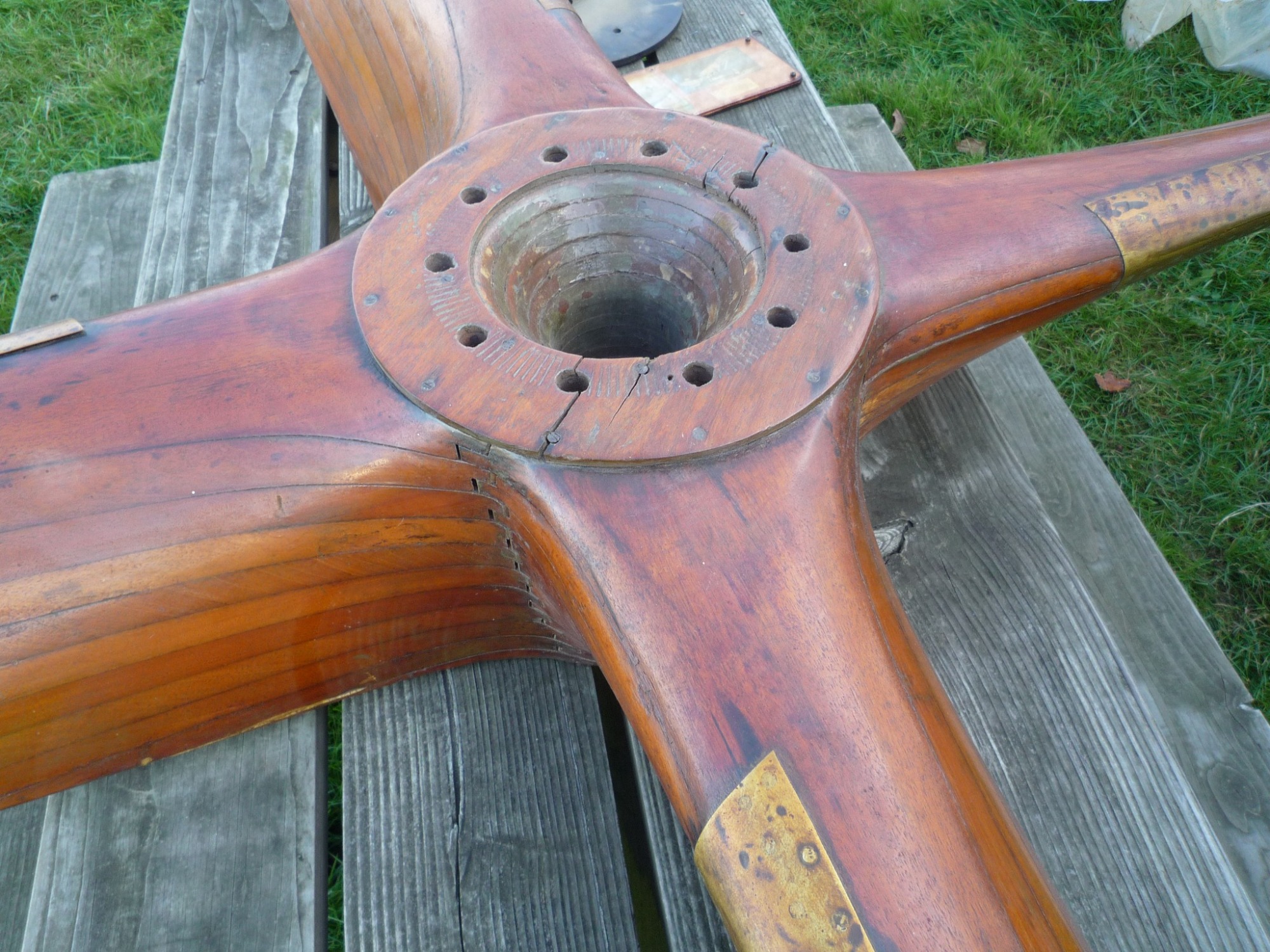
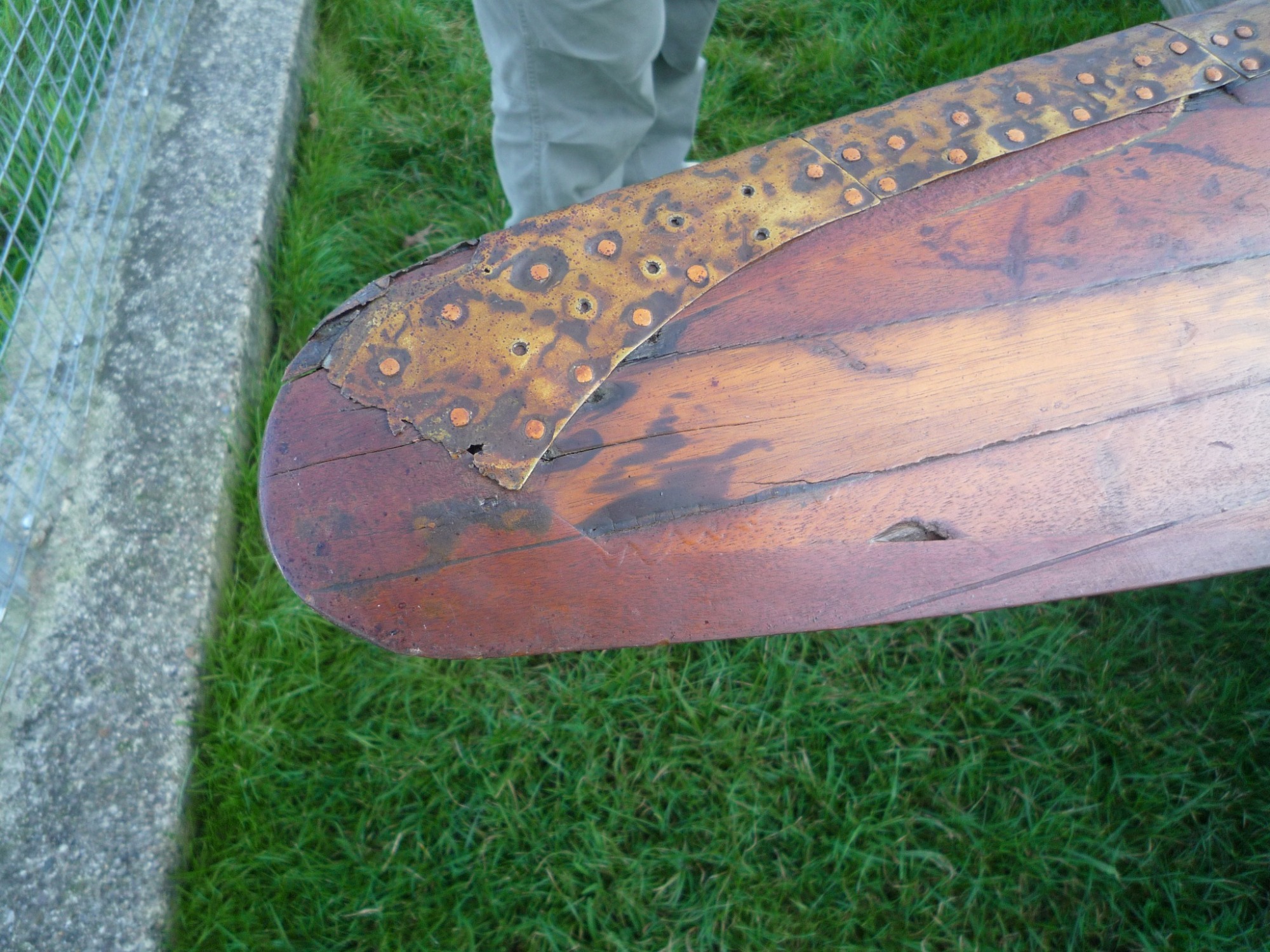
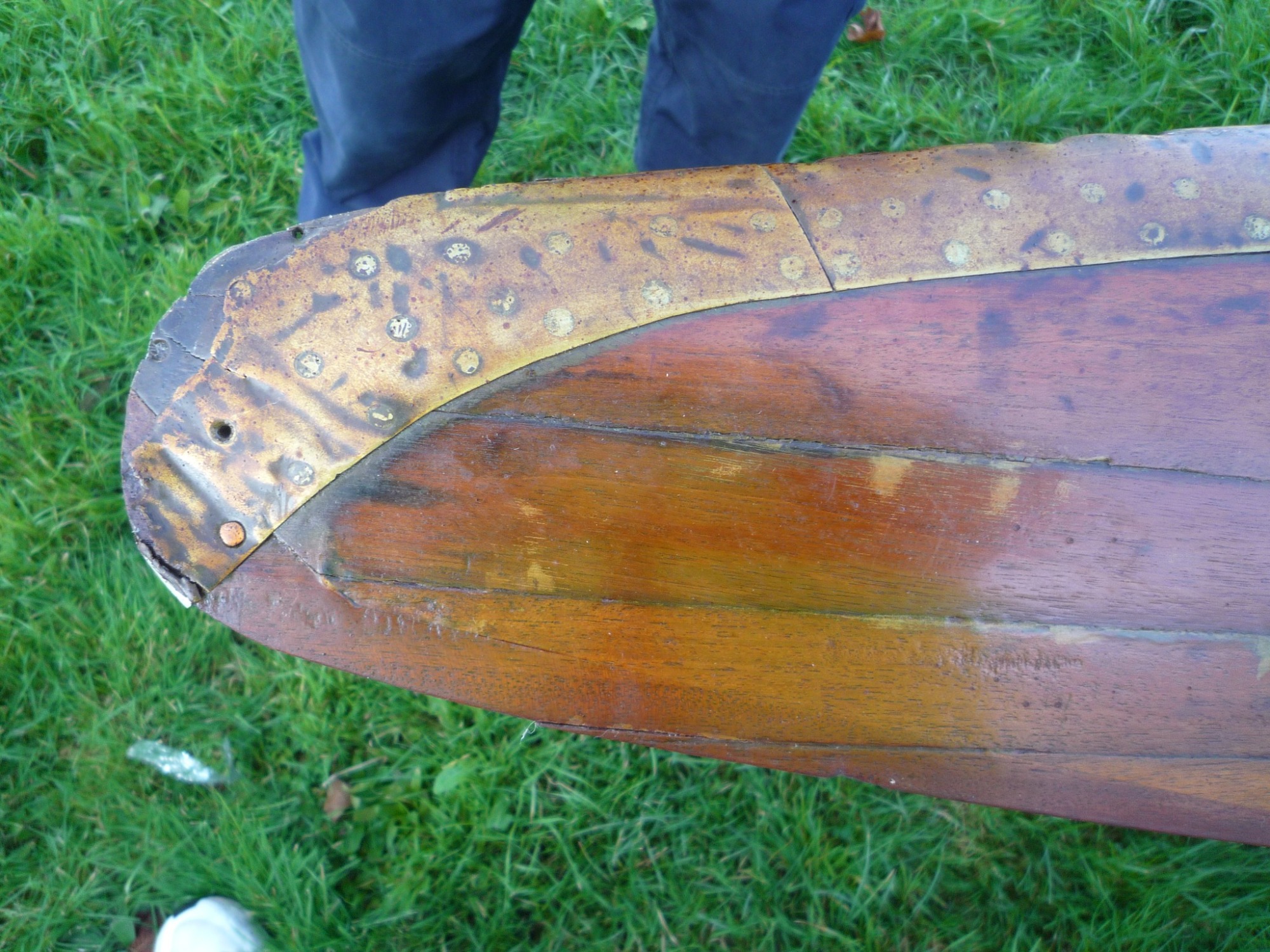
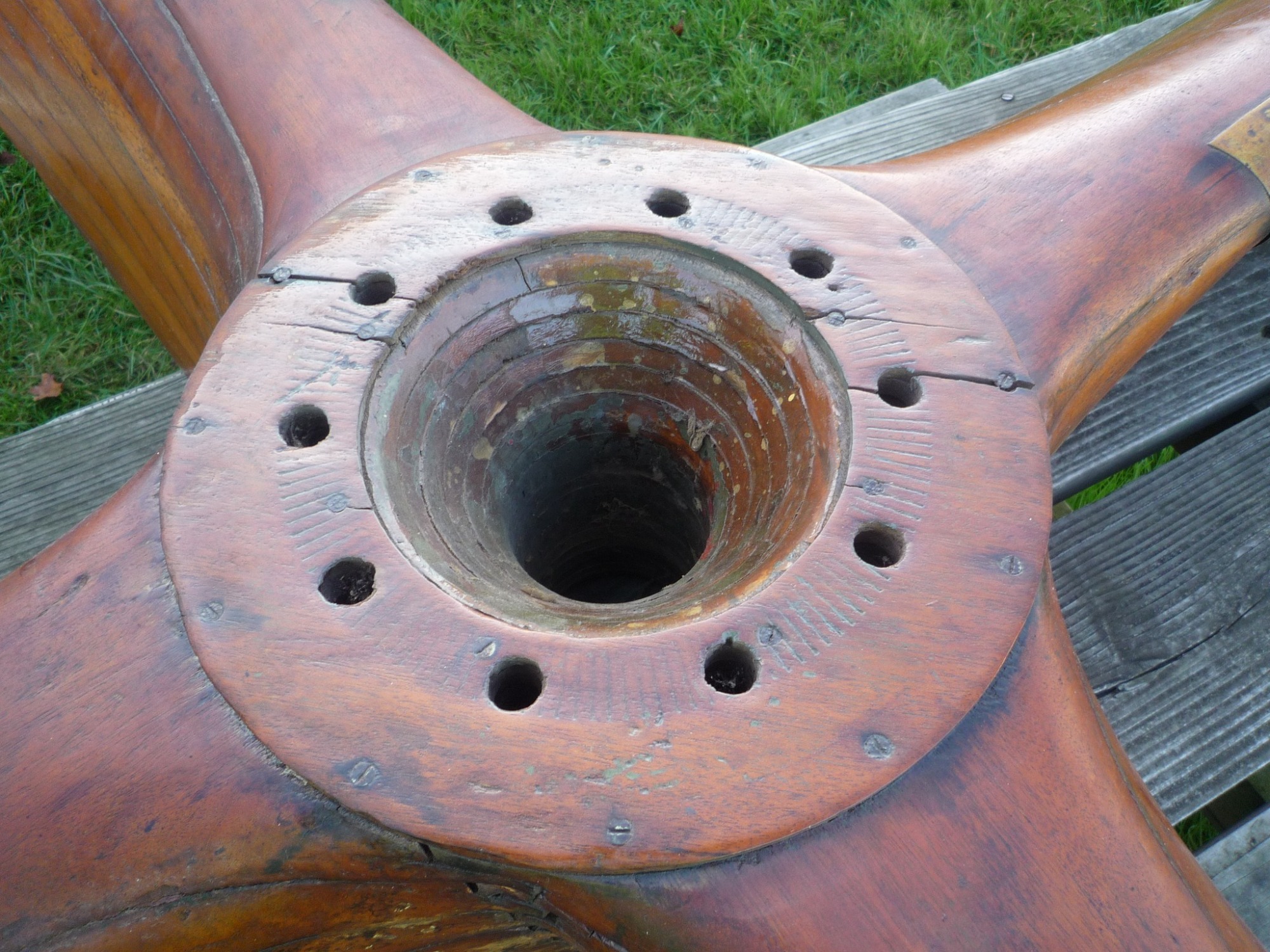
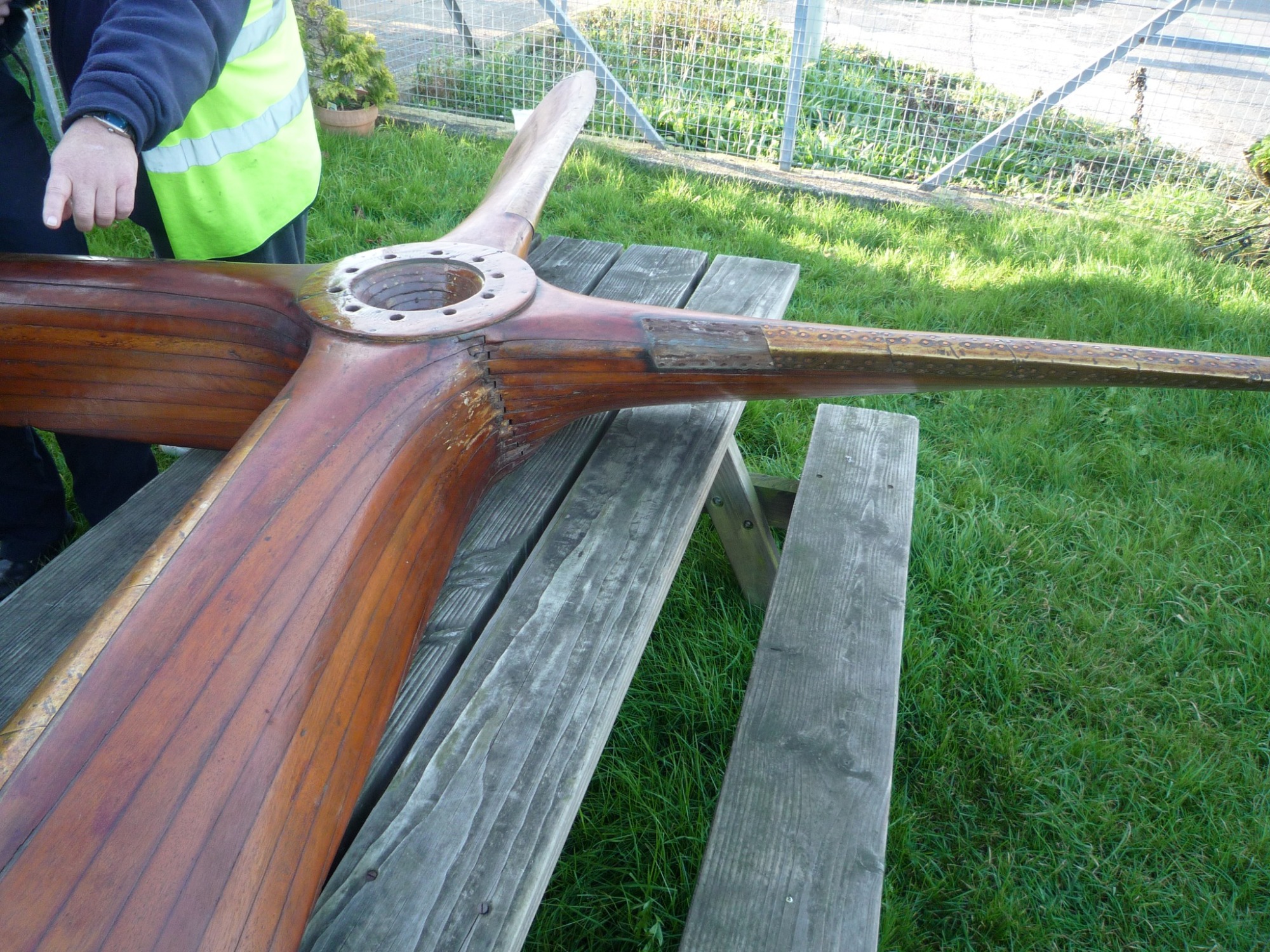
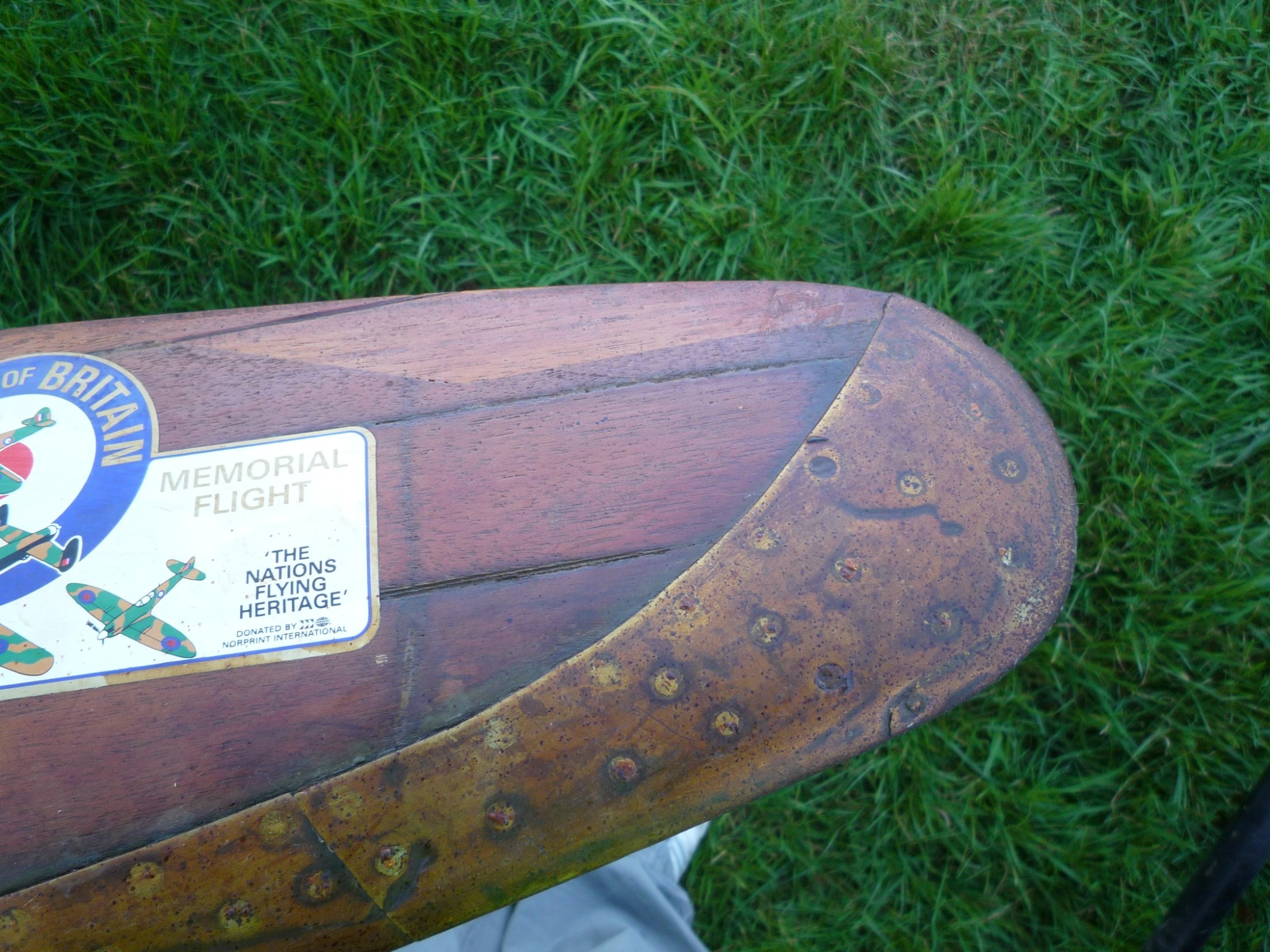
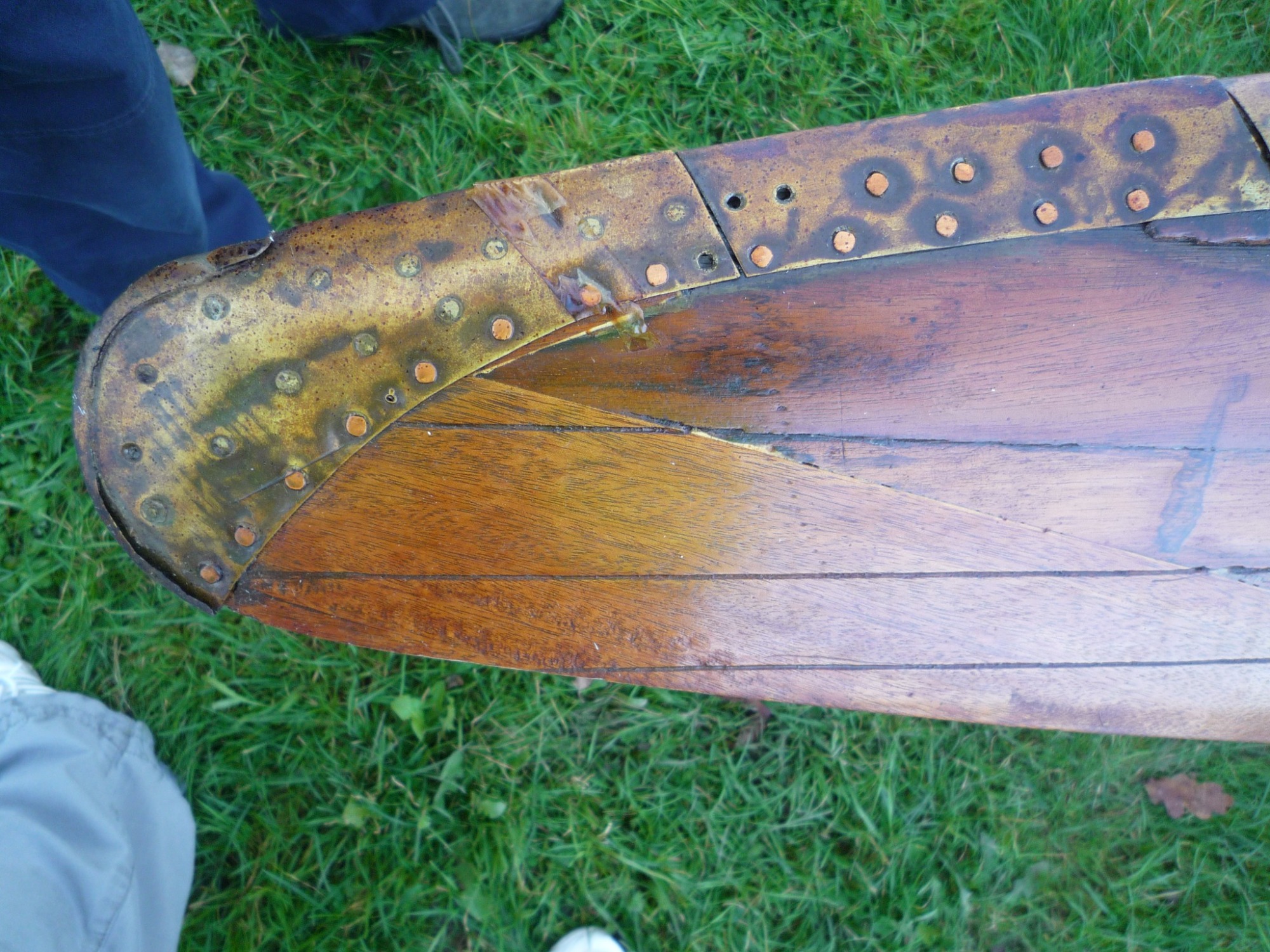
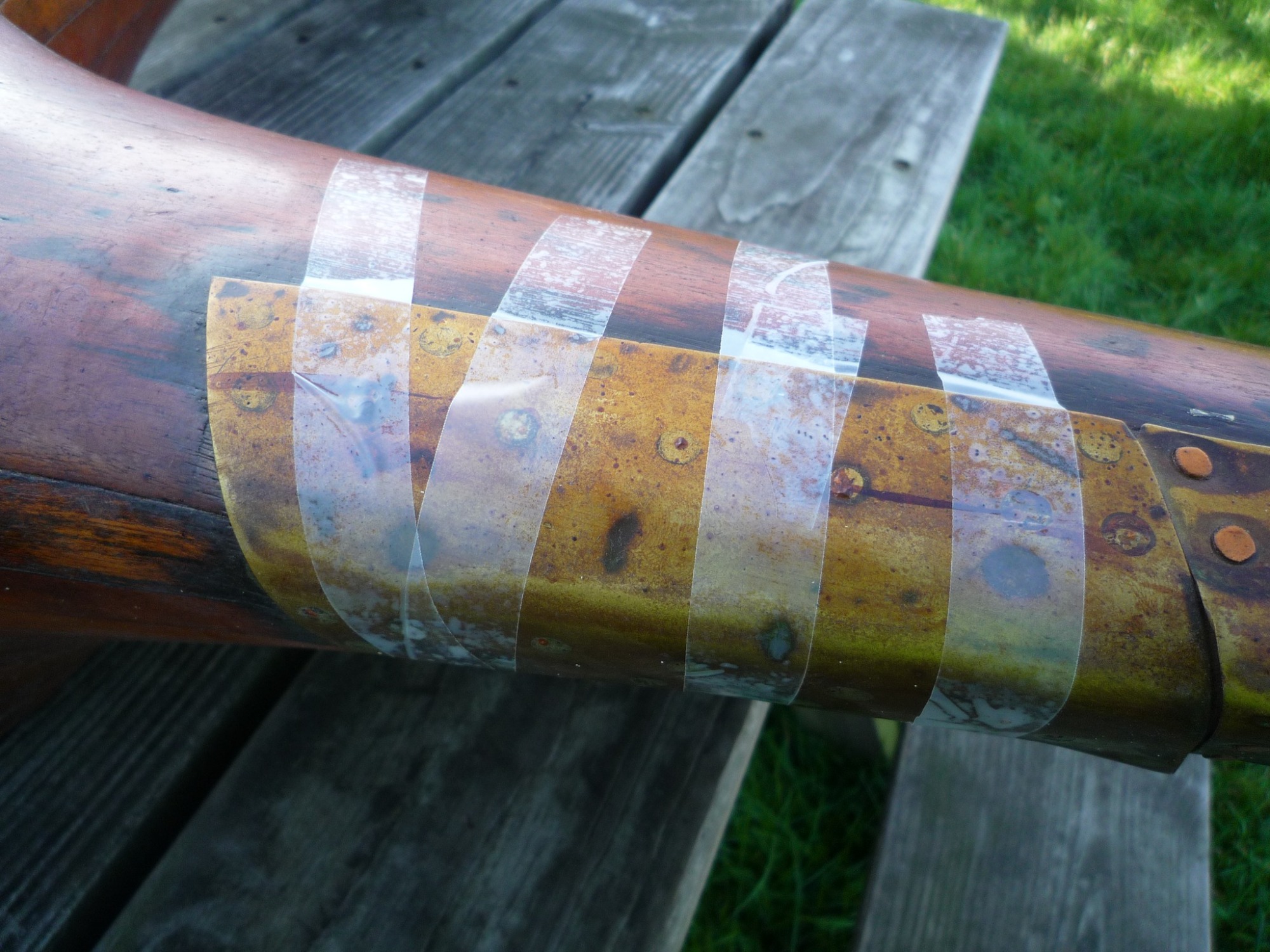
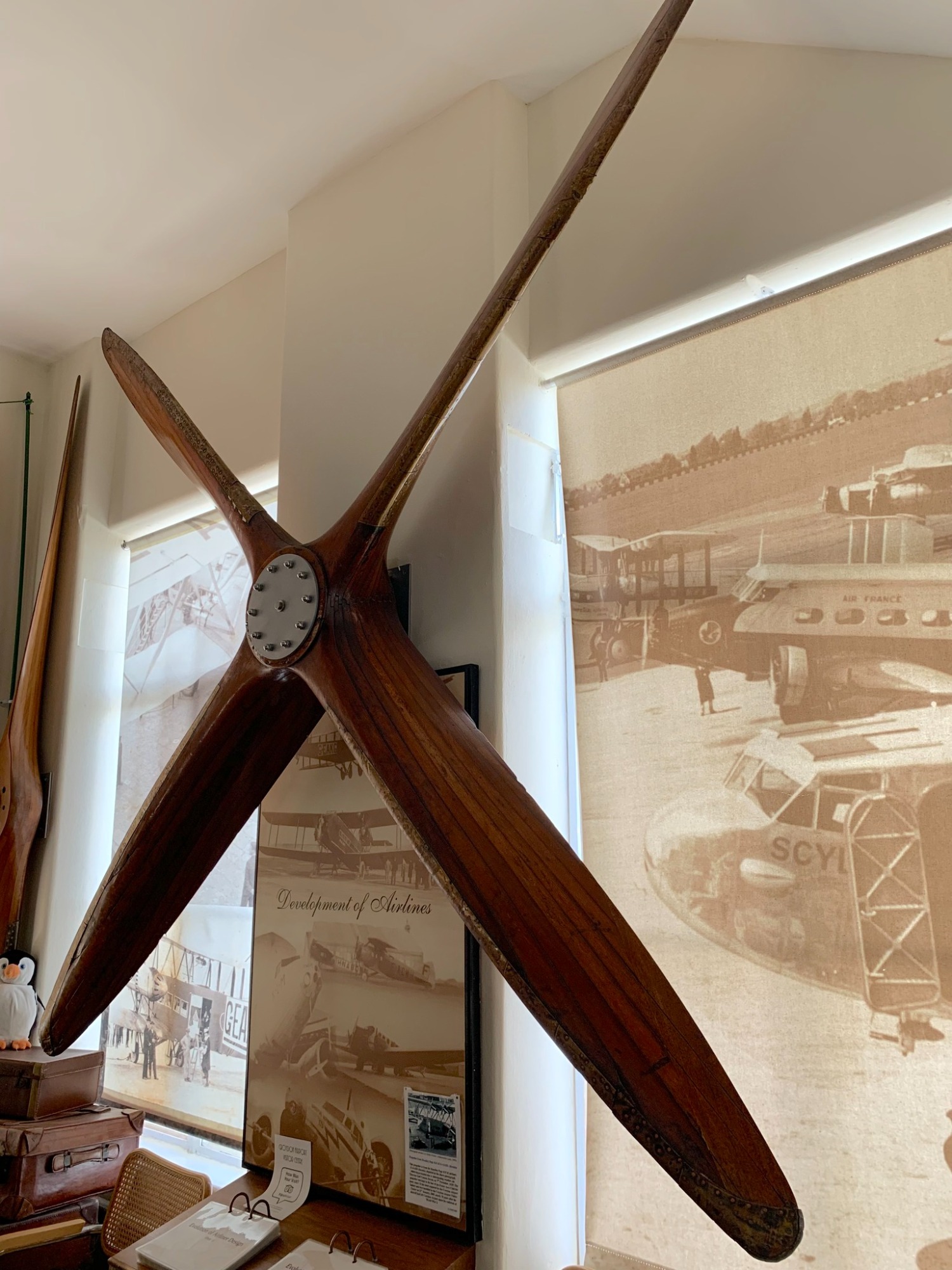
The Handley Page 42 propeller EFC.
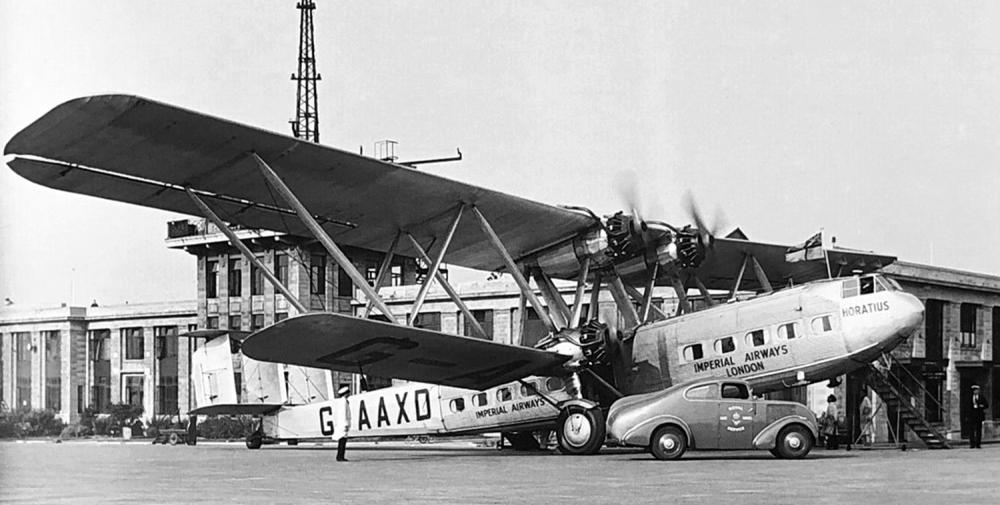
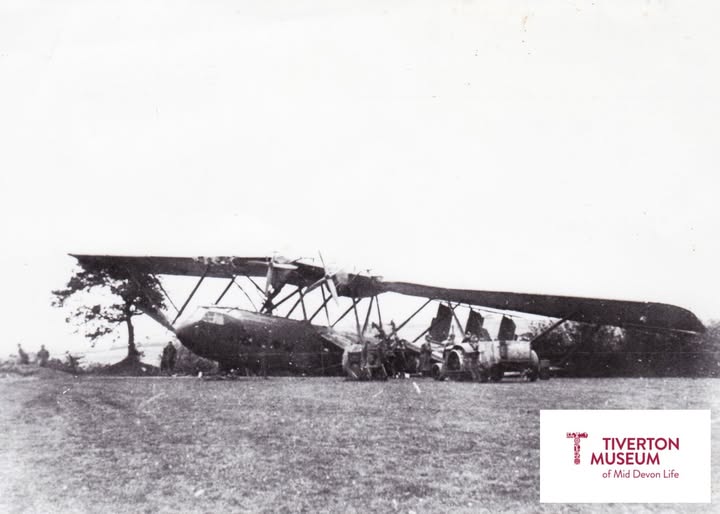
On 7 November 1939, a Handley Page 42 of Imperial Airways (G-AAXD) was flying from Paris to Exeter Aerodrome on a ferry flight and sadly crashed on Tiverton golf course. The aircraft was returning to Exeter after its crew dropped off Royal Air Force Command' staffs in Paris. While flying over Devon in marginal weather conditions, the crew was unable to locate the airport of Exeter nor to fix his position with certainty. Eventually, the captain decided to reduce his altitude and attempted an emergency landing on the Tiverton Golf course when on final, the aircraft impacted two trees and crashed. All three occupants were injured and the aircraft named 'Horatius' was destroyed. Luckily no passengers were on board at the time.
The four-bladed wooden propeller was recovered from it by somebody local and spent many years holding up a cloche (a frame and plastic cover structure put over plants to encourage growth), then Mike Revill came across it, and acquired it for the Exeter Flying Club. It was installed onto the ceiling in the EFC clubhouse adjacent to the bar and reception area. When it was on the ceiling it had a small plaque with information of the unfortunate event.
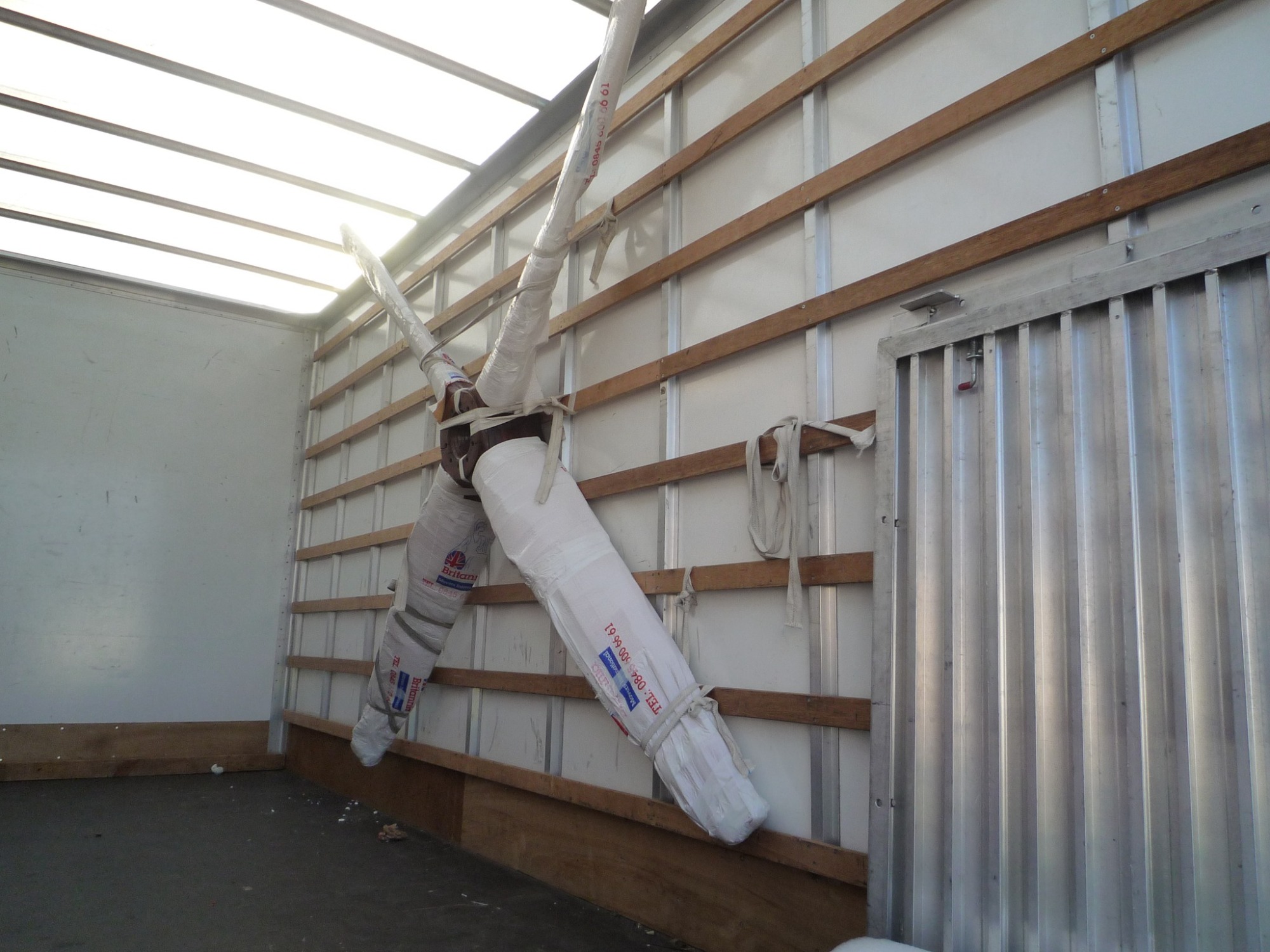
When EFC was dissolved in 2008 the propeller was taken down and removed by a removals firm back to the Croydon Airport Visitor Centre, situated in the former terminal building of Croydon Airport. Sadly, Exeter Flying Club Ltd, is no longer. The excellent clubhouse with a brilliant airport view location is now occupied by XLR Executive Jet Centre who handle all executive travel through the airport including Military visitors and Air Display pilots/ Teams.
This selection of photos below includes the day of the removal when a number of us assisted in preparing it for the transportation back to Croydon. Images also of the original aircraft pictured at Croydon Airport and the crash itself at Tiverton Golf Course. Finally, a photo kindly supplied by Nick Wride shows it on display at Croydon Airport Visitor Centre.
Gallery
This page was last updated 19 March 2026.