Naval Air Squadrons at Exeter
Naval airmen are often overlooked when it comes to remembering the events of World War Two. Exeter Airport was for a period a Naval Air Station with several different Squadrons and detachments. The role of Naval aviation was supported by Royal Air Force Coastal Command out of Exeter.
816 Squadron:
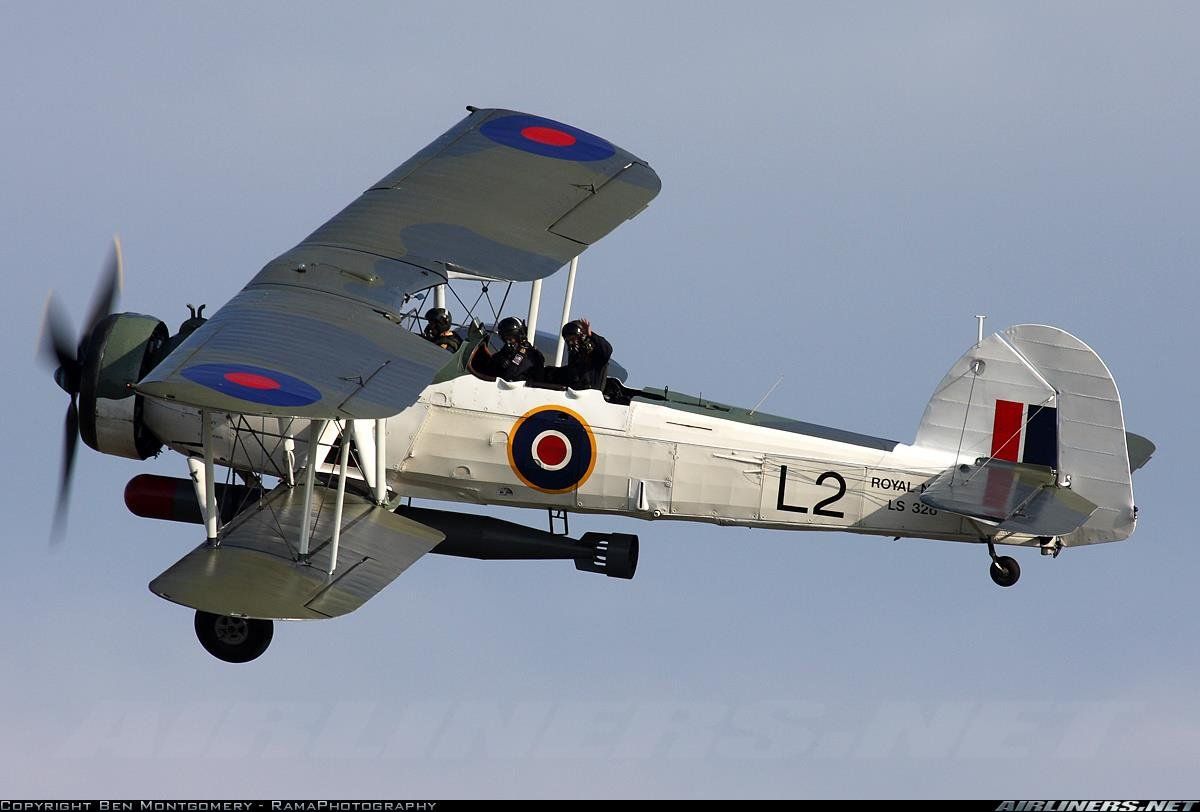
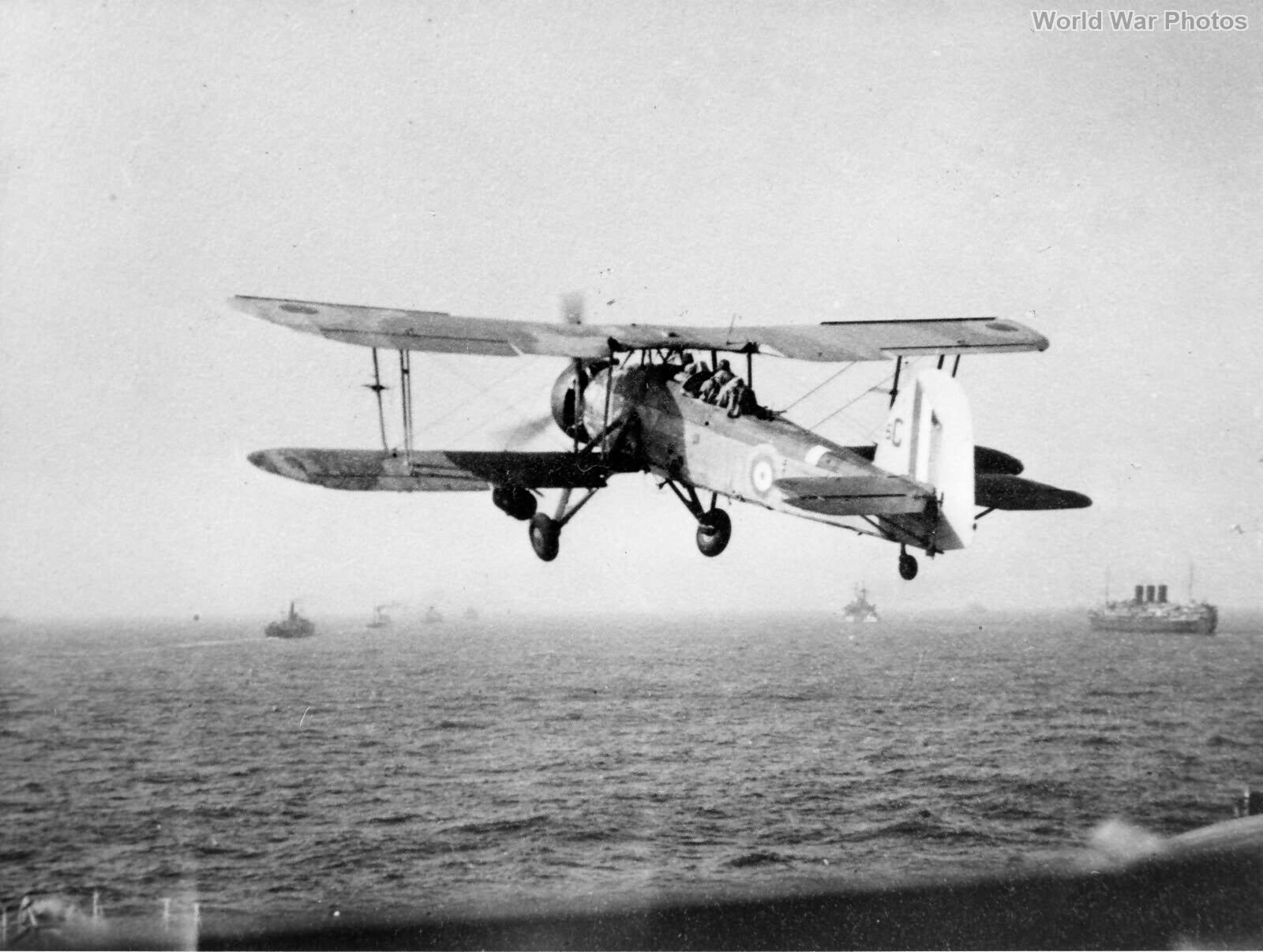
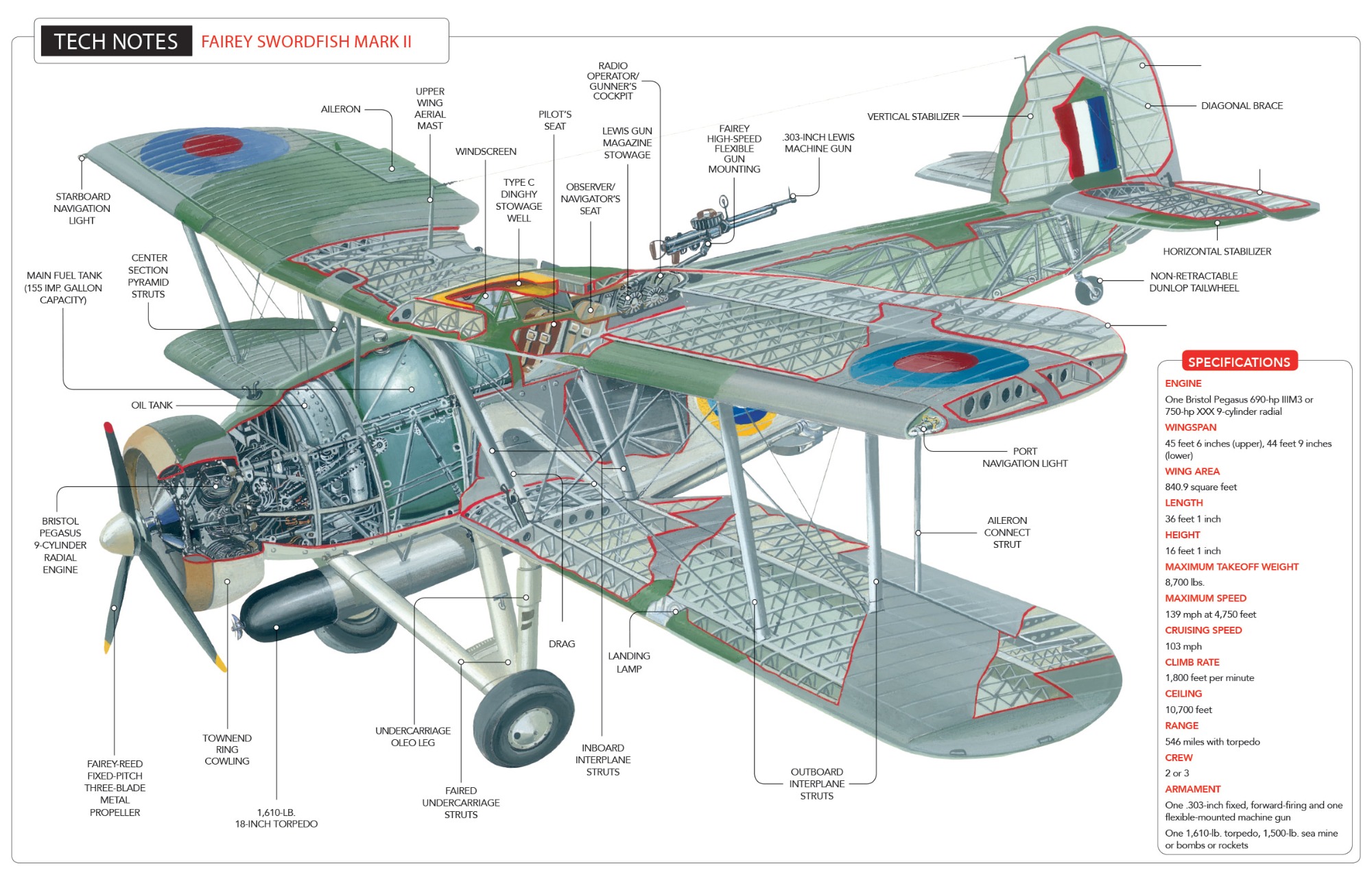
816 Squadron, Royal Navy (RN) was first commissioned as an anti-submarine squadron on 3 October 1939 aboard HMS Furious, a Courageous Class light battle cruiser that had been converted into an aircraft carrier in 1925. 816 were equipped with nine Fairey Swordfish torpedo bombers, the Squadron carried out the first airborne torpedo attack of the war in April 1940. The Squadron joined Royal Air Force (RAF) Coastal Command in March 1941 and, returning from a mission escorting RAF aircraft being ferried to Malta, was embarked in HMS Ark Royal when she was sunk on 13 November 1941. The Squadron was subsequently disbanded but reformed in February 1942. It disbanded and reformed twice more during WWII and operated no less than five aircraft types. The Squadron was, for the most part, employed in convoy escort duties serving as far afield as the North Atlantic Ocean and Jamaica, and conducted operations in the English Channel during the Allied invasion of Normandy. It was during this time that a brief spell with Coastal Command took place at RAF Exeter from 1943.
The Squadron disbanded as a RN unit for the final time at Lee-on-Solent on 1 July 1948.
825 Squadron
825 Squadron det. 4
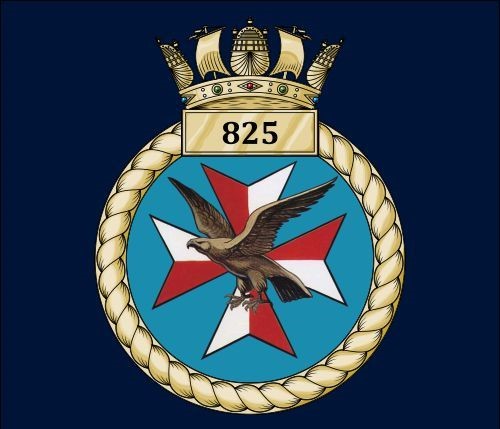
No. 825 was a carrier-based squadron that was formed on 8 October 1934 from the aircraft and personnel of No. 824 Naval Air Squadron. It operated in most of the theatres of the Second World War, carrying out a number of attacks on prominent German warships, including the battleship Bismarck in the Atlantic and the pocket battleships Scharnhorst and Gneisenau and heavy cruiser Prinz Eugen during their Channel Dash.
After regrouping at Lee-on-Solent in March 1942, the squadron sent three aircraft aboard HMS Avenger where they covered the Arctic convoys to Russia. Records show that they attacked six U-boats, and shared credit with the destroyer HMS Onslow for sinking U-589.
The squadron then operated under No. 16 Group RAF Coastal Command, flying out of Thorney Island and RAF Exeter. No. 16 Group had its HQ in Gillingham in Kent. This was not really an anti-U-boat unit, but its aircraft did attack U-boats in the latter stages of the war.
834 Squadron
A detachment of Fairey Swordfish briefly stayed at RAF Exeter in February 1943. They were later relieved by others from 816 Squadron and then by 841 Squadron.
834 Squadron
In May 1943 the squadron had detachments at Tangmere and Exeter with 16 Group RAF Coastal Command, for patrols in the English Channel with up to 16 Albacores and 3 Swordfish from January 1943. The squadron disbanded in December 1943 at Manston, the aircraft and activities being taken transferred to 415 RCAF squadron.
The squadron reformed in February 1944 at Lee-on-Solent with 12 Barracuda IIs, and subsequently joined No 2 Naval TBR Wing in Scotland.
In August 1944 the squadron embarked on HMS Formidable for a week, and after disembarking to Grimsetter, transferred to HMS Implacable later in the month for strikes on enemy shipping off Norway, merging into 828 squadron and disbanding in November 1944.
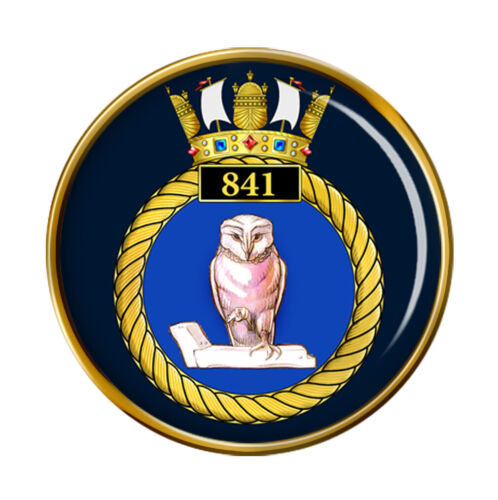
My thanks to Mr Bill Croome for allowing me to publish these personal accounts from his Father who served at RAF Exeter with 841 Squadron.
William Peter Croome was a Lieutenant (E) in 1942 on board HMS Galatea when he was drafted out of his engine room to train to be a pilot, having done a bit of flying privately. He was sent to RCAF Station, Kingston Ontario achieving his wings in August. From there he was appointed to RNAS Crail near Dundee to train as a torpedo bomber reconnaissance pilot.
March 1943 found him with 841 Squadron based at RAF Manston, Kent, flying Swordfish and Albacores, painted black, on moonless nights. In April he was given command of a detachment of three aircraft with pilots, observers and a maintenance party. The flight was ordered to RAF Tangmere, near Portsmouth and from there to RAF Exeter. According to his Log Book he flew all manner of aircraft including the amphibious Walrus, Spitfire, Seafire and Hurricane to name but a few.
The following notes are taken from his personal accounts.
On the 9th July my flight moved to RAF Exeter which was then a large grass airfield later to become Exeter Airport. My three aircraft flew in formation and were heavily loaded. I carried a motorcycle in the torpedo crutch and my tin trunk strapped on a wing.
Approaching Exeter, we had to climb and looking down at clouds streaming from the hill tops I realised we were flying into the teeth of a south westerly gale and were almost at a standstill. I was perturbed that we may run out of fuel but eventually, we crept into the airport and landed safely. Using the motorcycle, I reported to the Group Captain in the control tower that we had arrived, “I see” he said, “you’ve been in sight for the past hour”.
Our task at Exeter was peculiar. E-Boats tended to lurk inshore in coves in Devon and Cornwall to intercept our shipping moving along the coast. They were often spotted by Coastguards or the Home guard but, from Exeter it took a long time to the scene of action. Early on we concocted a scheme to land the Swordfish uphill at Bolt Head and then turn around to face down hill with the tail tied to a stake. A lantern would be placed on the cliff edge. At a given signal and full throttle the rope would be cut and with luck, we would get airborne without hitting the sea.
I continued my offensive patrols when opportunity offered flying across the Channel Islands passing between the islands being fired at from both sides but, once inside probing for enemy shipping.
On the 27th July I intercepted what I thought was a German flotilla off Cap de le Hague and bombed – luckily across rather than along the line. Next morning, I had a telephone call from Peter Scott to say I had broken all his wardroom crockery. He could not really complain as he had strayed outside his assigned sector.
We had our amusing episodes. One foggy night we lost a Swordfish after it had landed. It was eventually found upside down across an approach road to the airfield with the pilot hanging in his straps!
____________________________________________________________________________________
Exeter had a number of Fleet Air Arm (FAA) pilots on loan to the RAF during the Battle of Britain in 1940. No. 213 Squadron had three FAA pilots namely Sub/Lt. Bramah, Sub/Lt. Jeram and Sub/Lt. Moss.
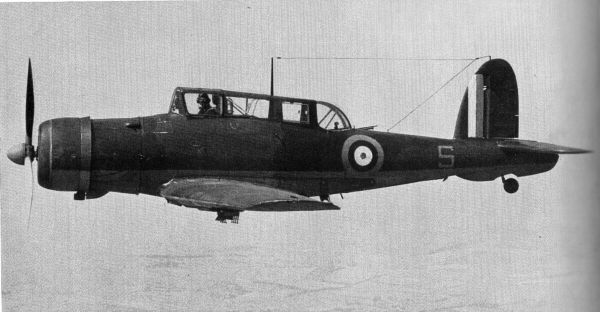
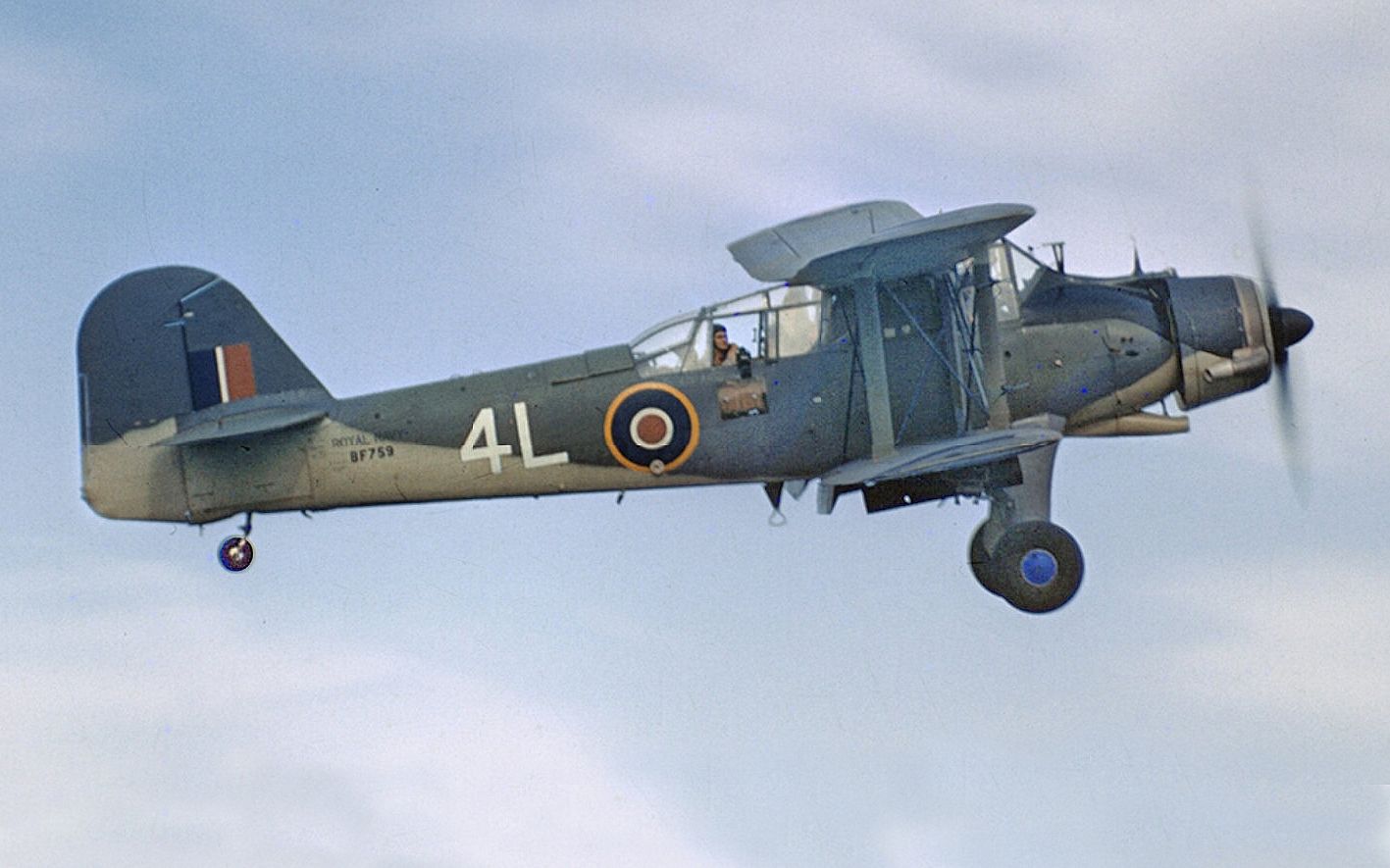
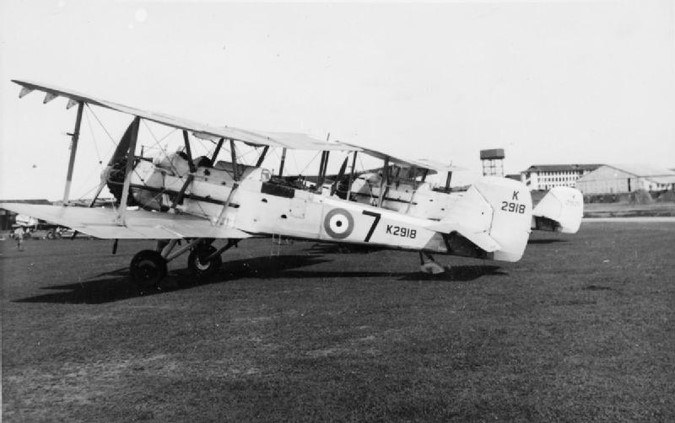
Naval Squadrons Gallery
🛩️ RNAS Yeovilton: A Strategic Naval Hub
Established in 1940, RNAS Yeovilton (HMS Heron) rapidly became a cornerstone of British naval aviation during WWII, supporting carrier-based operations and training.
Today, it remains one of the busiest military airfields in the UK, with over 100 aircraft including Wildcat helicopters for maritime strike and reconnaissance, and Merlin helicopters used by the Commando Helicopter Force for amphibious support.
The base spans two sites: Yeovilton for main operations and Merryfield (Ilton) for training and dispersal.
🚁 Exeter Airport: A Living Link
Exeter Airport continues to play a practical role in Fleet Air Arm training, especially for ILS (Instrument Landing System) and visual approach exercises.
Residents often spot Merlin and Wildcat helicopters overhead, a subtle but constant reminder of the region’s military aviation legacy.
🏛️ Fleet Air Arm Museum & Navy Wings
Located at Yeovilton, the Fleet Air Arm Museum is Europe’s largest naval aviation museum, with over 90 aircraft, immersive exhibits like the Aircraft Carrier Experience, and restoration projects such as the Barracuda DP872.
Navy Wings, based nearby, preserves and flies vintage naval aircraft including the Fairey Swordfish, Sea Fury, and many others, offering a living tribute to the Fleet Air Arm’s heritage.
This page was last updated 20 March 2026.