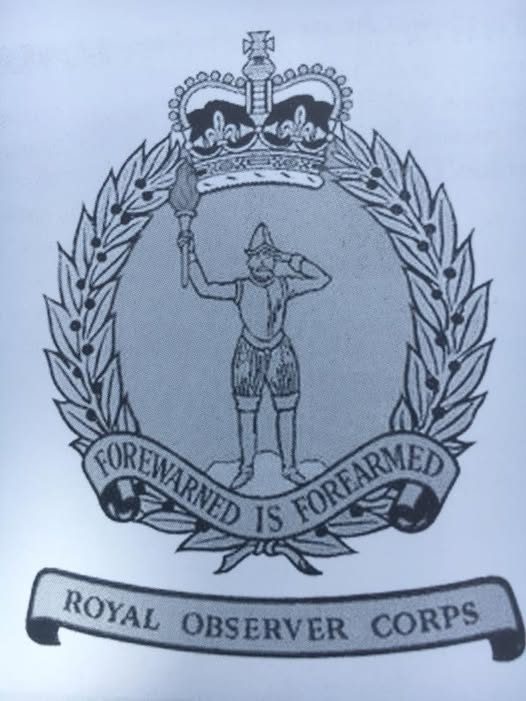
The Royal Observer Corps - 10 Group
100th Anniversary of The Royal Observer Corps – 1925-2025:
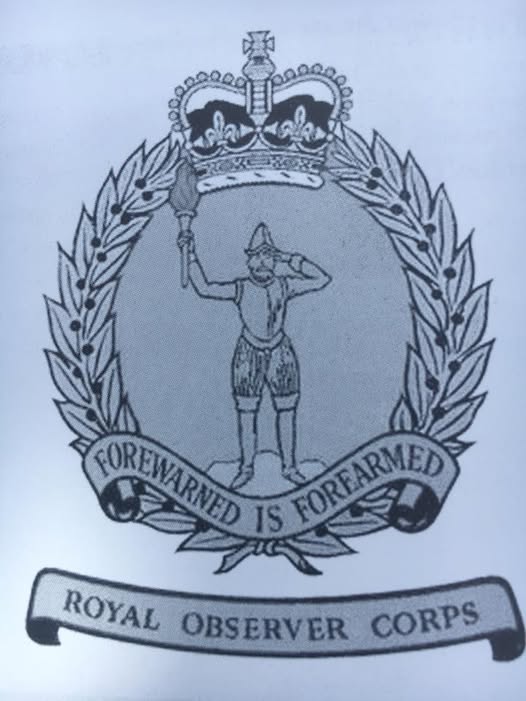
To mark the centenary of the Royal Observer Corps’ (ROC) formation this year, we focus on some of the vital roles played out by men and women in the Corps.
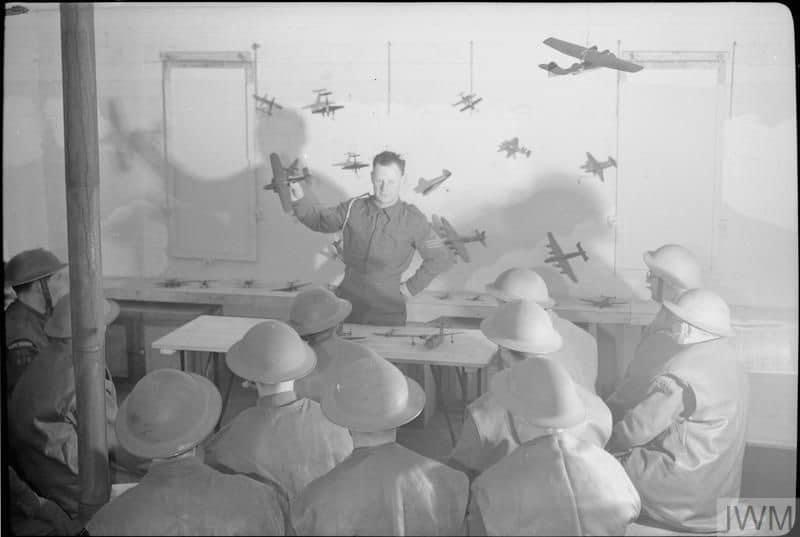
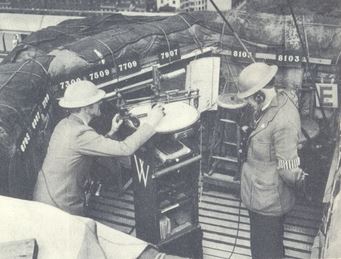
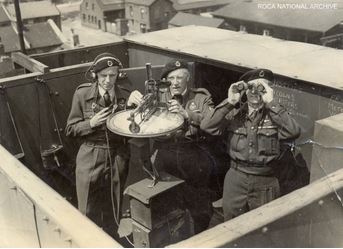
By the time the Second World War broke out in 1939 the Observer Corps had already expanded across the UK. Made up of volunteers, many of them retired servicemen, farmers or other civilians, they manned lookout posts by day and by night. Equipped with a field telephone, a pair of binoculars and a ‘post instrument’, observers were using simple technology but with the added individual skills of aircraft recognition.
The job was secondary to RDF (Radar) which formed part of the brilliant ‘Dowding’ defence system. This was to identify incoming aircraft on raids towards England, estimate numbers, height and direction and to pass this information via telephone to regional control centres. Although RDF was effective tracking raids over the English channel well before they reached the coast, once inland, RDF was not capable to keep track as it was only channel facing. Once past the point of detection the role was passed to the ROC.
The Observer Corps was subsequently awarded the title ‘Royal’ by His Majesty King George VI in April 1941, in recognition of the meritorious service carried out by Observer Corps personnel throughout the Battle of Britain.
The Women's Auxiliary Air Force (WAAF) was created from the Auxiliary Territorial service with training included as Radar Operators, Filter Room Plotters and Tellers. The Filter Room team constantly upgraded the picture, and the information they produced was relayed to Group and Sector Operations Rooms and the Observer Corps. Throughout 1940, WAAFs were employed on front-line Radar Units and at Fighter command, Group and Sector Operations Rooms, and within the Filter Centre based at RAF Bentley Priory, Stanmore.
After the Second World War the ROC was vital with the advent of the Cold War by continuing its primary role of aircraft recognition and reporting, and in 1955 was allocated the additional task of detecting and reporting nuclear explosions and associated fall-out.
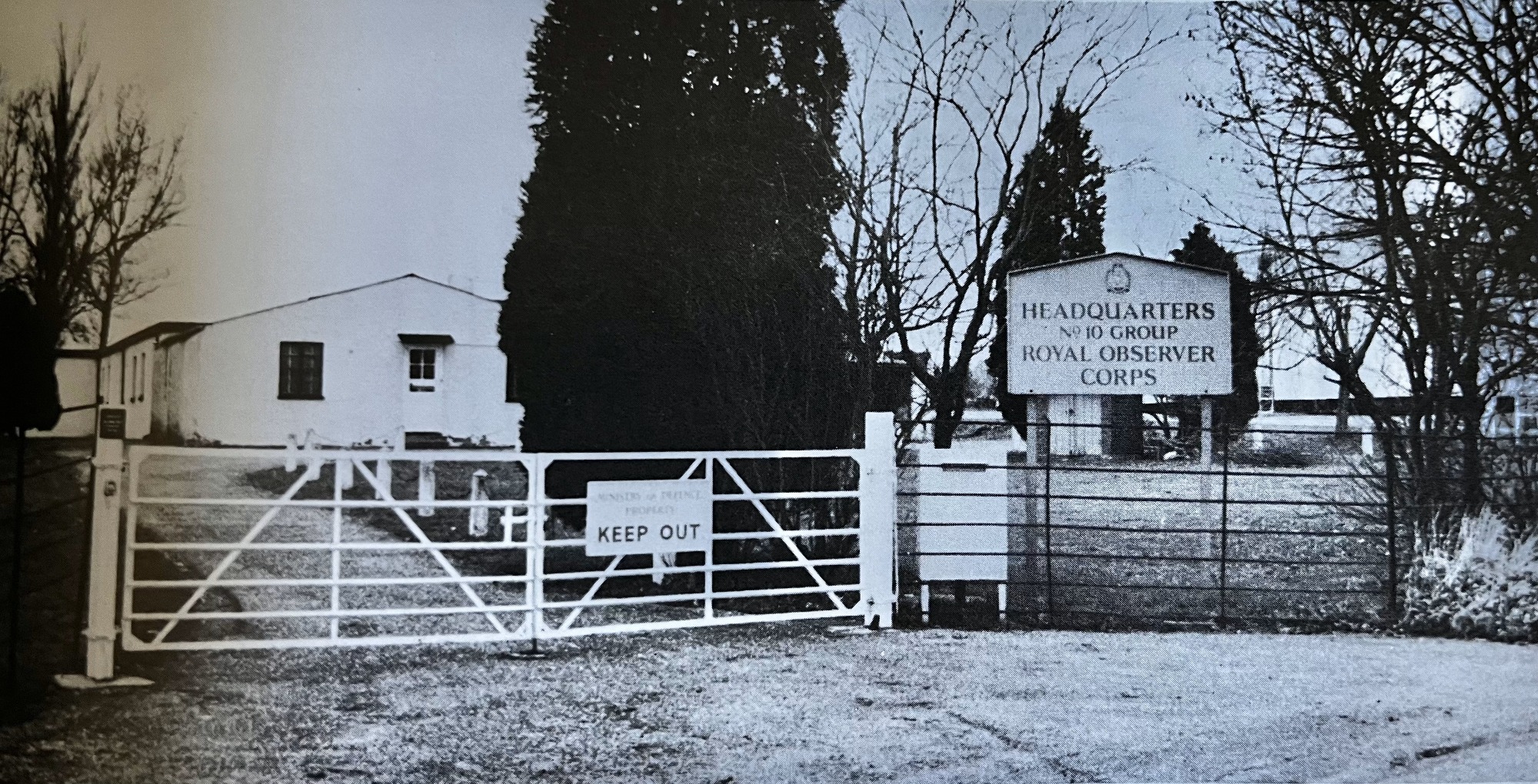
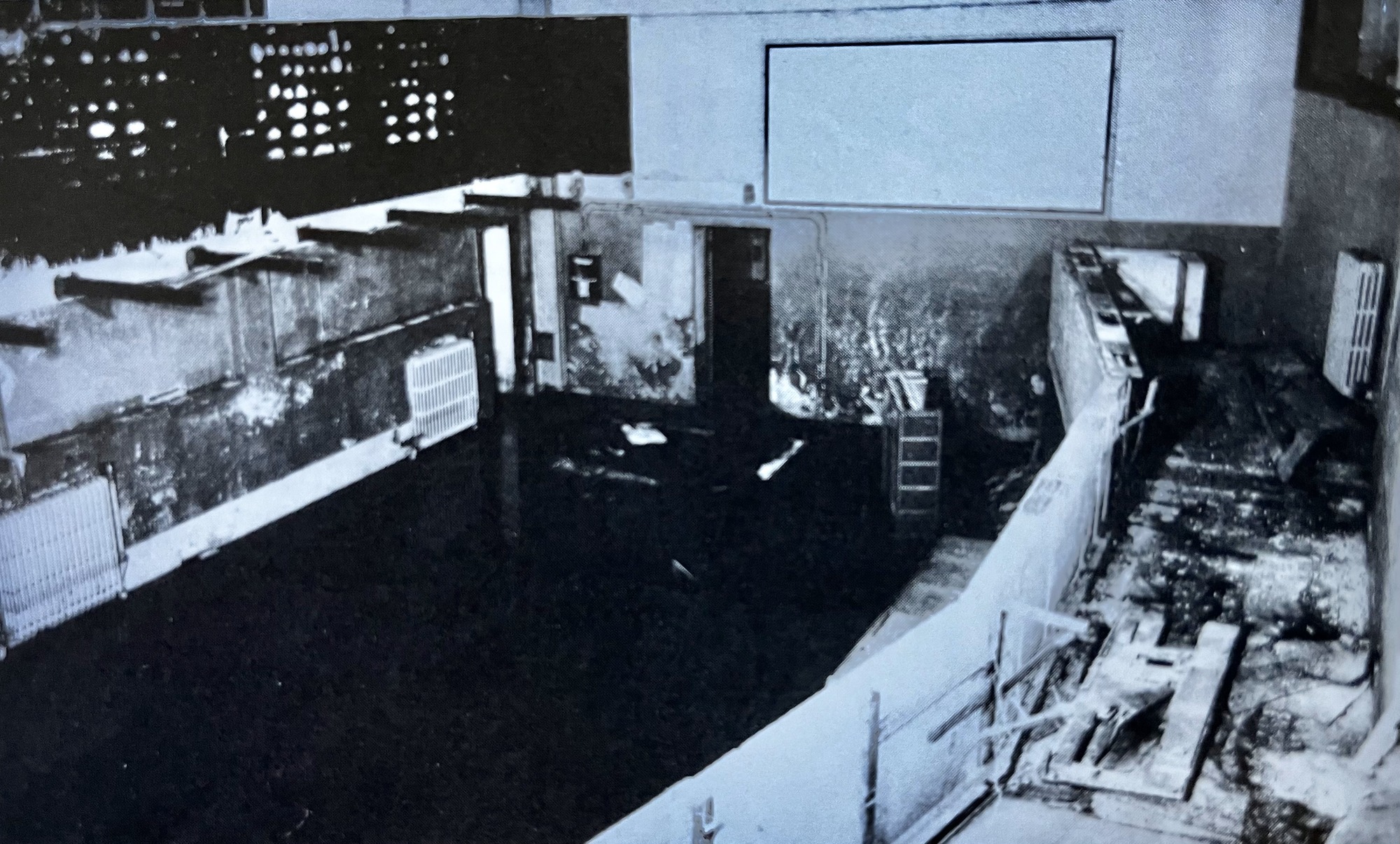
The Exeter area had many different locations for use as a base for the ROC as follows,
Above the General post office in the High St, Exeter until damaged.
Temporary emergency location – Exeter Quay.
Eventually moved to Barnfield, Exeter.
Underground at Exeter Aerodrome (RAF Exeter).
RAF Exminster, The Marshes, Exminster.
Poltimore Park, Pinhoe, Exeter.
The ROC stood down from its duties in 1995 after 70 proud years serving in war and peacetime. Many thousands of men and women – more than 200,000, in fact – gave valuable service over that time. It is estimated that there are still some 60,000 former members eligible for support. Their dependants may also be eligible. They are supported by the valuable work of the Royal Air Force Benevolent Fund (RAFBF).
The Royal Observer Corps - 10 Group
Richard Townsend
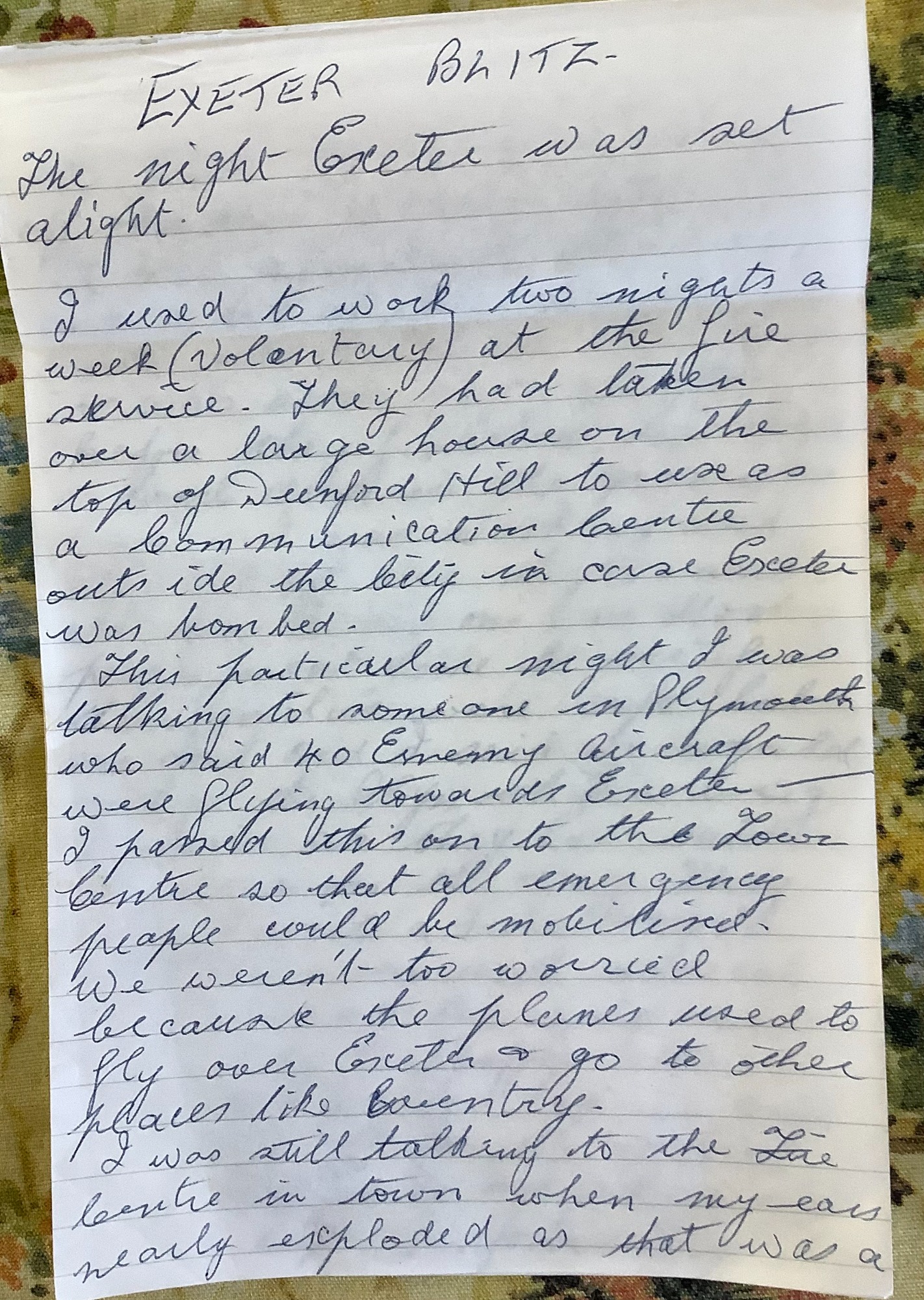
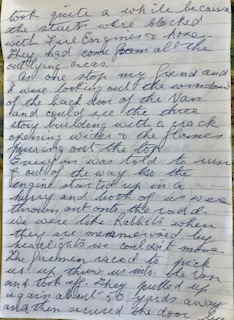
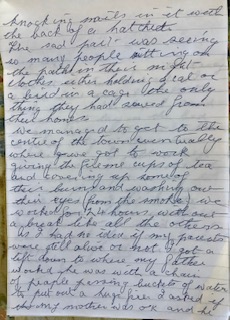
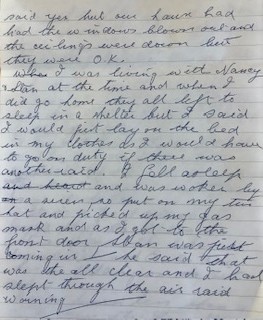
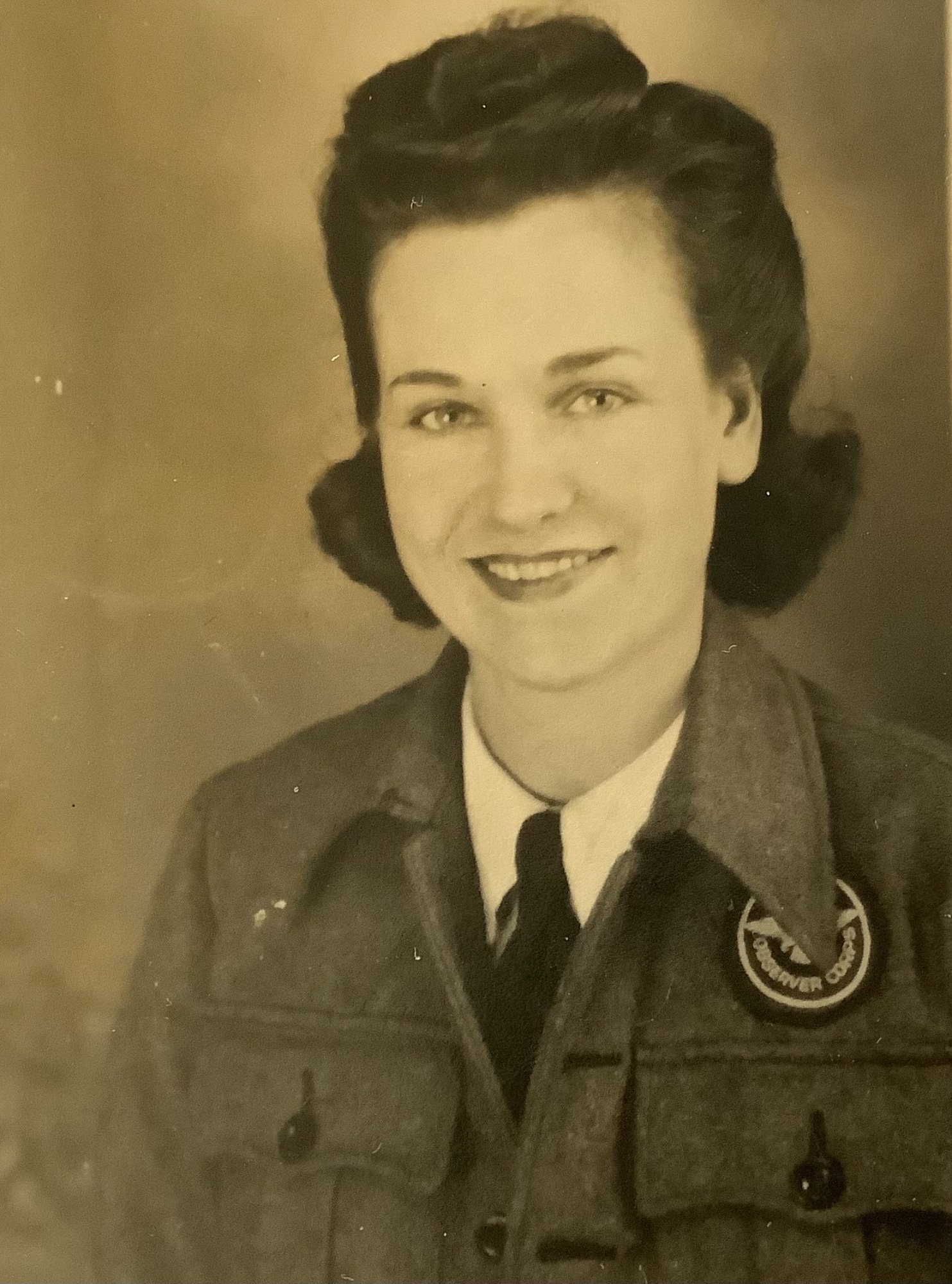
Richard Townsend, now in New Zealand, kindly sent me these letters and a photo of his mother Marjory Pattinson ( maiden name),who volunteered to work twice a week on communication for the Fire brigade in Barley Lane at the top of Dunsford Hill Exeter. She was on duty when she got the report of 40 enemy planes heading towards the city of Exeter. She has written a few pages about the blitz when she was 90 although deceased now.
Also, whilst waiting for the fire engines ,on route from Plymouth, the aerials were bombed and communication was cut, then going into the city centre with fire engines, also visiting her parents house in Regent Street
All of this plus a lot more was recorded on the following five pages of letters.
Also a photo of Marjory in her Observer Corps uniform
Special thanks to Richard Townsend for getting in touch.
The Royal Observer Corps Association has a brilliant website worth a look.
Page last updated 22 March 2026.