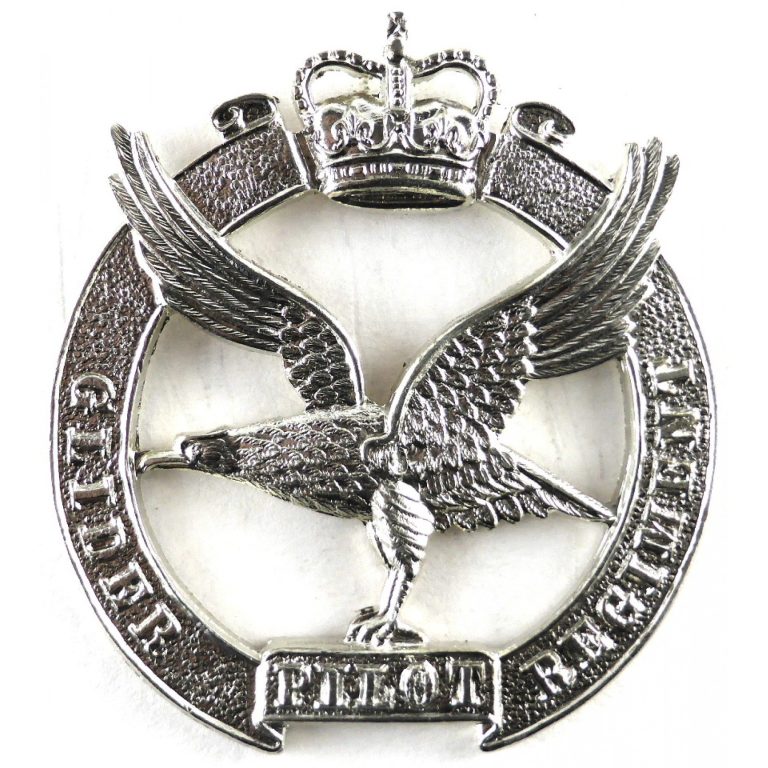
RAF 3 Glider Training School at Exeter
Between 16 and 22 January 1945, RAF Exeter became home to the newly established No. 3 Glider Training School (GTS). The unit was transferred from Stoke Orchard, Cheltenham, Gloucestershire, with additional personnel arriving locally from RAF Culmhead. Its rapid formation reflected the urgent need to replenish the ranks of glider pilots following the devastating losses suffered during the ill‑fated Arnhem operation, where more than 460 pilots were killed or captured.
The Army, initially reluctant to expand training beyond its own resources, eventually agreed to the RAF’s proposal to train up to 500 pilots by April 1945. This decision transformed Exeter into a hub of intensive activity during the closing months of the Second World War. The school’s mission was clear: to provide a steady stream of trained pilots capable of flying assault gliders into combat zones, ensuring that airborne forces could continue to operate effectively despite earlier setbacks.
Wider Glider Training in Devon
Exeter’s role was complemented by the presence of No. 84 Gliding Training School, established at Haldon Moor in August 1944. This unit later moved to Exeter, where it remained until 1955, when it was disbanded following the creation of No. 624 Gliding School. Together, these schools underscored Devon’s importance in Britain’s wartime and postwar glider training programme.
Aircraft Types
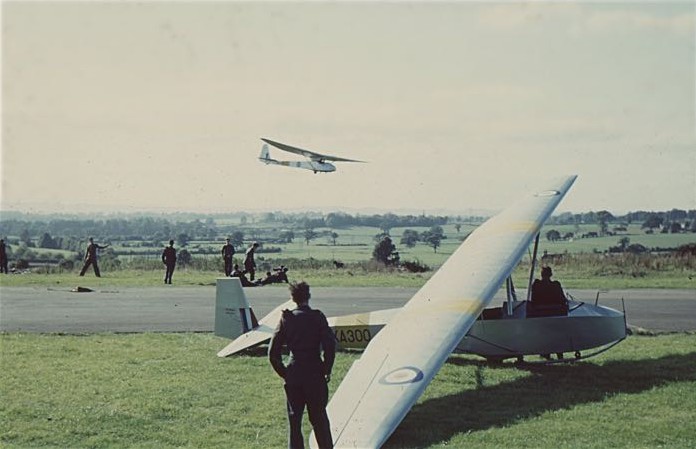
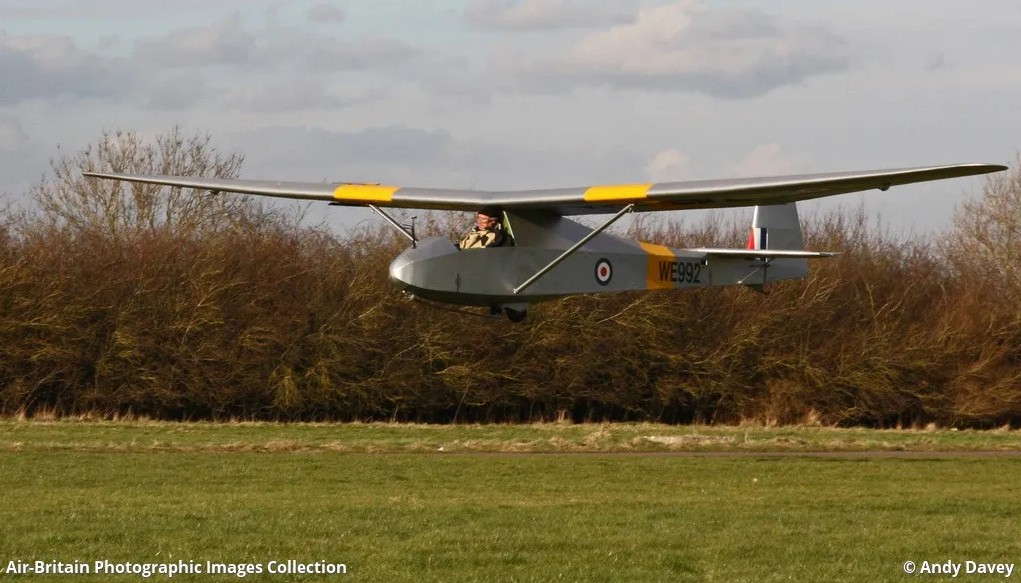
A variety of training gliders were employed, reflecting the evolving needs of the RAF’s glider pilot scheme. Among them were:
Cadet TX.1, TX.2, and TX.3 – widely used for elementary training.
Sedbergh TX.1 – a larger, more advanced trainer designed to prepare pilots for operational glider handling.
This page was last updated 25 March 2026.