Developments Around Exeter Airport
Skypark, Exeter Logistics Park and the Enterprise Zones
Development continues around Exeter Airport with the announcement that a new DHL Distribution Centre is to be built on the Exeter Logistics Park. This is basically how Exeter Airport is surrounded by developments.
North.
The Exeter Logistics Park is situated North of the Airport and currently has the large Amazon Distribution Centre and Lidl warehouse. This is now the site of the new DHL Distribution Centre.
Exeter Skypark by Burrington Estates spanning more than 100 acres also North of the Airport has the South Western Ambulance Service NHS Trust Exeter Base, DPD Distribution Centre, LiveWest offices and the Eon Energy Centre (see photo).
Another phase of this development has begun cuting into the Northside even more including the area surrounding the only Pickett-Hamilton fort. A Pickett-Hamilton fort is a type of hardened field fortification built in Britain during the invasion crisis of 1940–1941.
North East/East.
The location of the new large town of Cranbrook.
Harrier Court houses 13 businesses and has recently had more building development for a new antiques premises.
South.
The Exeter Airport Business Park houses a large number of different businesses totaling 32 currently. The same side also includes the Exeter College Training Academy and the Hamilton by Hilton Hotel.
South West/West.
Clyst Honiton Village.
The Airport itself is getting smaller and smaller and is completely surrounded by developments. Interestingly the Pooley's Flight Guide book UK, has a statement in it for Exeter as follows, 'Light aircraft should avoid overflying the villages of Broadclyst, Clyst Honiton, Farringdon, West Hill, Whimple and Aylesbeare whenever possible or as directed by ATC'. How on earth pilots are expected to land on runway 08 without overflying Clyst Honiton is beyond me!
A new Phase to Exeter SkyPark -
The photo below is an artist impression of how the Exeter SkyPark will eventually look covering the area where Iscavia Aviation Maintenance and Hanger 52 are located. The Northside access gate has to be maintained but is shown on this image no longer in place. There is of course an emergency services access gate (6) direct from SkyPark which is very useful for the South Western Ambulance Service who are based on SkyPark (ASOC).
We cannot see the normal access to Northside shown as the current lane that passes the Energy Centre only goes to that point. It is interesting to note that 'future Airport related development' is shown at (21) which could possibly be a new location for Hanger space including Iscavia. This has not been confirmed.
The map below shows how Skypark phase one and two sits on the original airfield site.
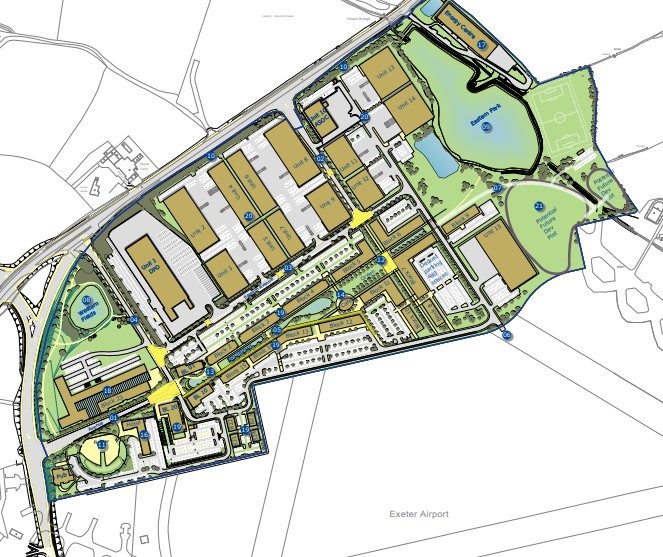
Skypark Phase Two
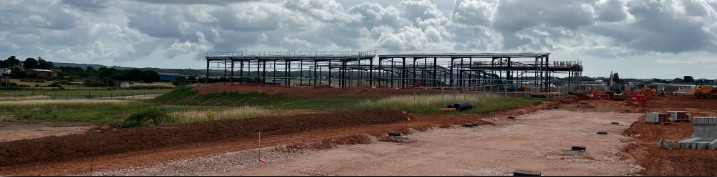
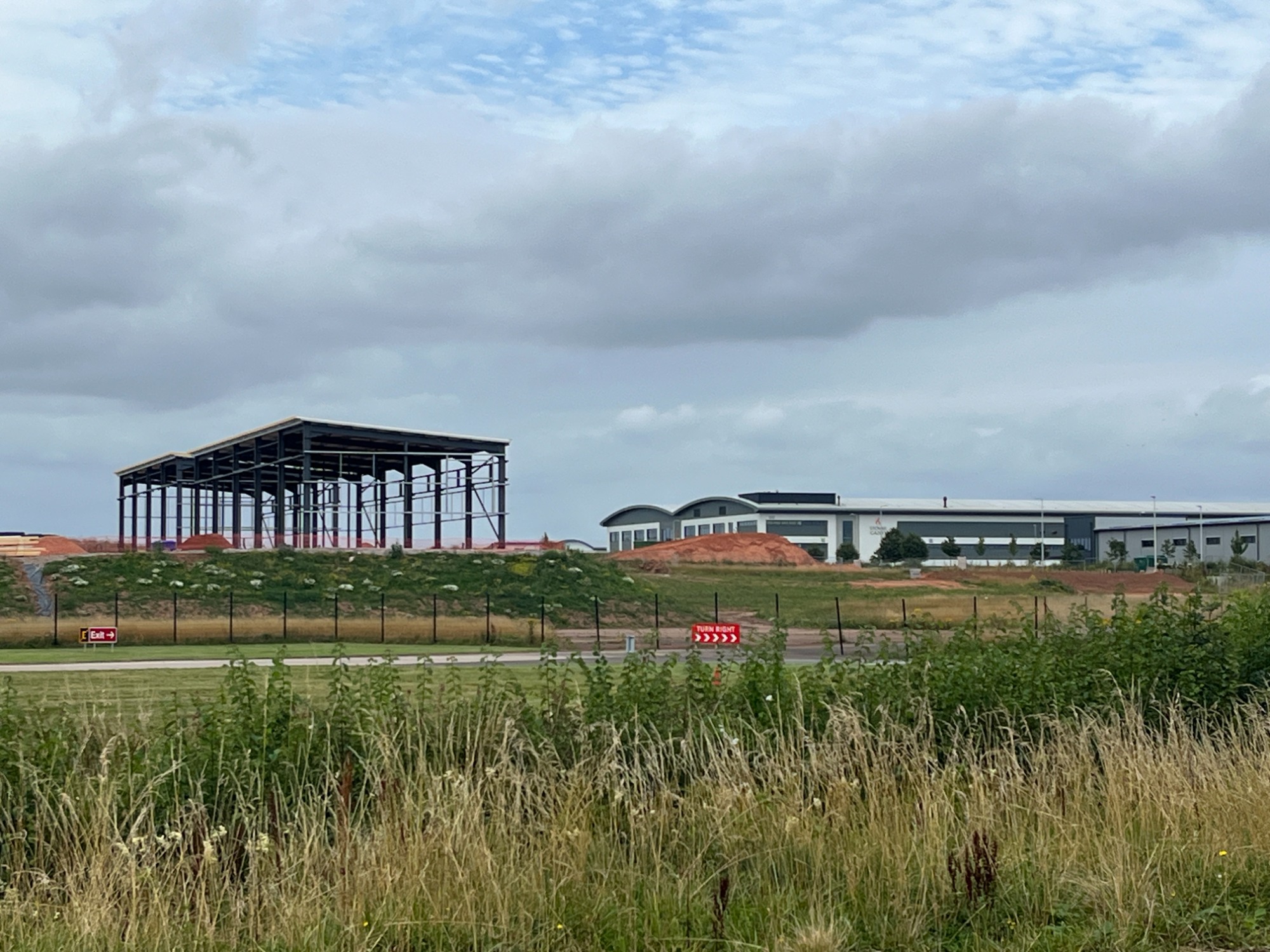
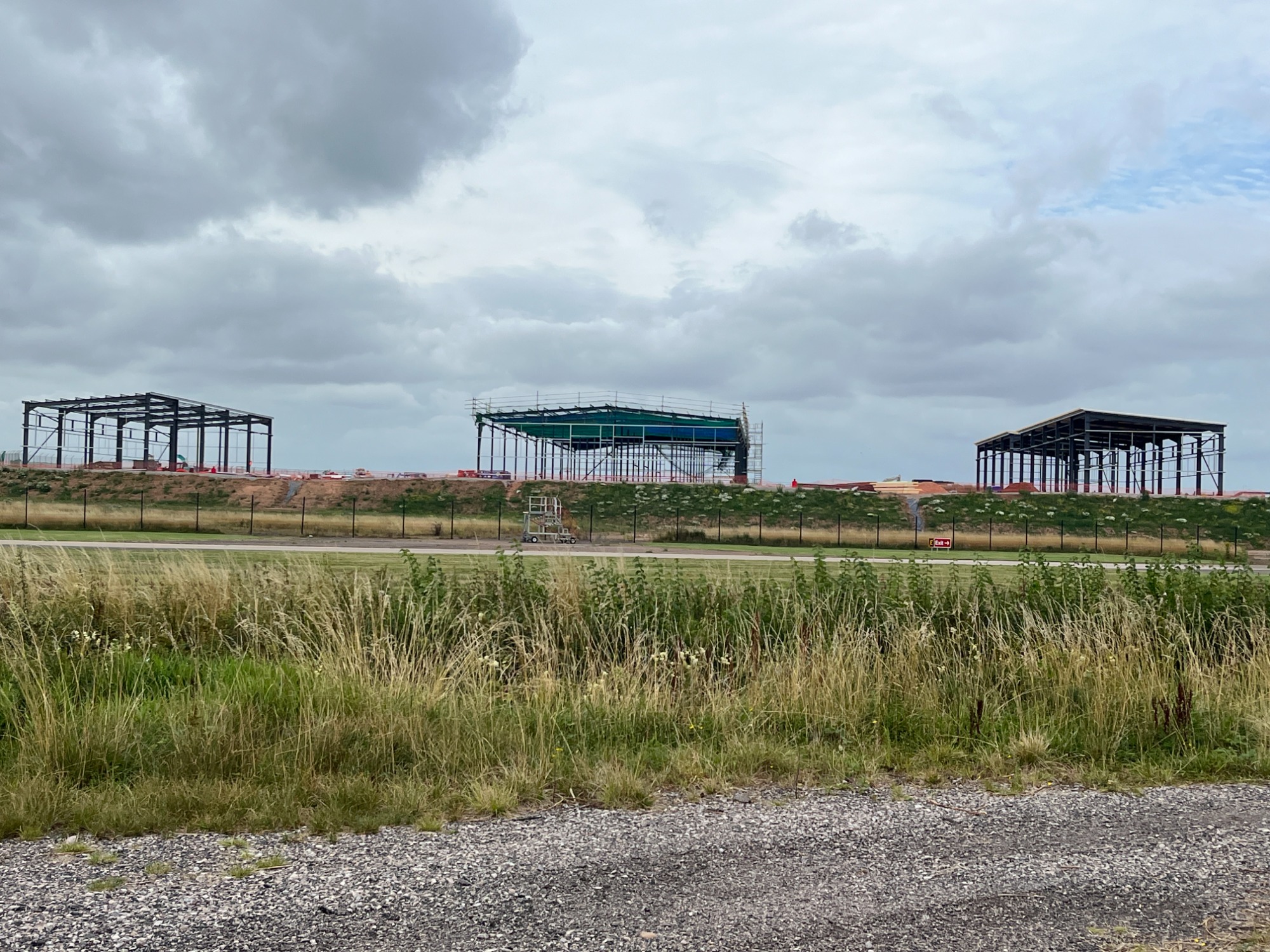
From frames to Units
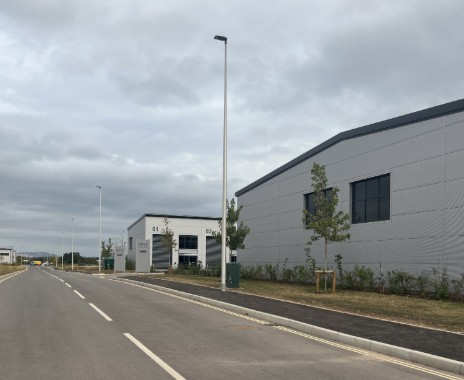
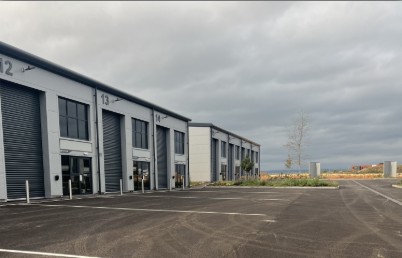
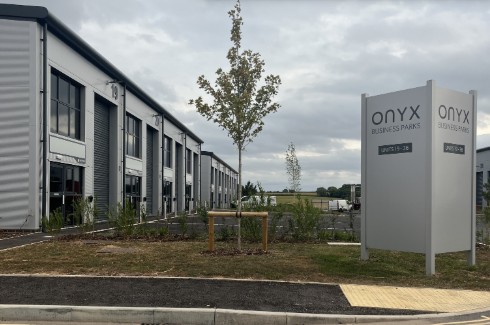
These photos show that access is now available to the area that is Skypark 2 on the northside. Some units are already occupied including a Gym. It will be interesting to see how quick these units are taken up and how this will further expand in the future if required.



Honouring RAF Exeter Through Modern Development:
New Road Names at Exeter Skypark
One of the most meaningful developments to note this month is the quiet but significant way Exeter Skypark continues to acknowledge the history beneath its foundations. Much of the site occupies what was once RAF Exeter, a station that played a vital role during the Second World War and shaped the lives, memories, and landscape of this part of Devon.
Rather than allowing that history to fade into the background, the planners have chosen to weave it directly into the fabric of the new community through a series of aviation‑themed road names. Each one reflects a different chapter of the airfield’s story:
- Spitfire Avenue — a tribute to the aircraft most closely associated with RAF Exeter’s defence during the Baedeker raids.
- Swordfish Avenue — acknowledging the Fleet Air Arm presence and the wider operational picture of the period.
- Dakota Way — honouring the transport aircraft that kept supply lines moving and supported countless wartime operations.
- Tiger Moth Road — a nod to the training aircraft that shaped the early flying careers of so many pilots.
- De Havilland Road — recognising the contribution of one of Britain’s most influential aircraft manufacturers.
These names are not decorative choices. They are a deliberate act of remembrance — subtle, respectful, and rooted in place. For those who know the history, they serve as a quiet reminder of the men and women who served here, the aircraft that flew from these fields, and the role RAF Exeter played in the defence of the South West.
As Skypark continues to grow, these road names ensure that the story of the airfield remains present in the everyday life of the site. It is a modern development built with an understanding of its past — and that is something worth celebrating.