No. 310 (Czechoslovak) Fighter Squadron
Aircraft Code: NN | Motto: “We Fight To Rebuild” National Motto: Pravda vítězí — “Truth Prevails”
No. 310 Squadron, formed of Czechoslovak airmen serving under the Royal Air Force, arrived at RAF Exeter, Clyst Honiton, in May 1942 and remained until June 1943. At the time of their deployment, the squadron was equipped with Supermarine Spitfire 5b and 5c aircraft, later upgrading to the high-altitude Spitfire 6 towards the end of their tenure at Exeter.
During their time at RAF Exeter, No. 310 Squadron operated as a fighter unit, contributing to the defence of Britain’s southern airspace and participating in offensive patrols. In 1943, the squadron transitioned to a fighter-bomber role, reflecting the evolving demands of the air war over Europe.
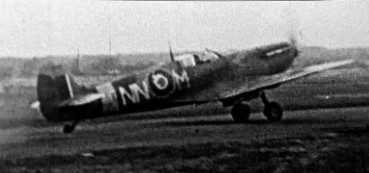
The squadron flew under the aircraft code ‘NN’, as seen in contemporary photographs, and carried the motto “We Fight To Rebuild”—a poignant reflection of their mission and national hope. Their service was deeply rooted in the Czechoslovak national ideal, encapsulated by the enduring phrase Pravda vítězí (“Truth Prevails”), which symbolised the resilience of their homeland under occupation.
In August 1945, following the end of hostilities, No. 310 Squadron returned to Czechoslovakia and was based in Prague for the remainder of the year. Their formal service with the RAF concluded on 15 February 1946, marking the end of a distinguished chapter in Allied air operations.
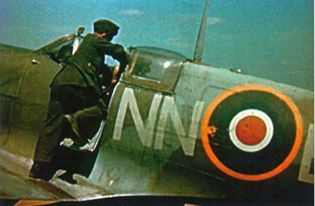
Below - Spitfire Mk 5c (AR462 NN-N) taxying at Exeter. Photo taken from the book Czechs In The RAF by Zdenek Hurt (c).
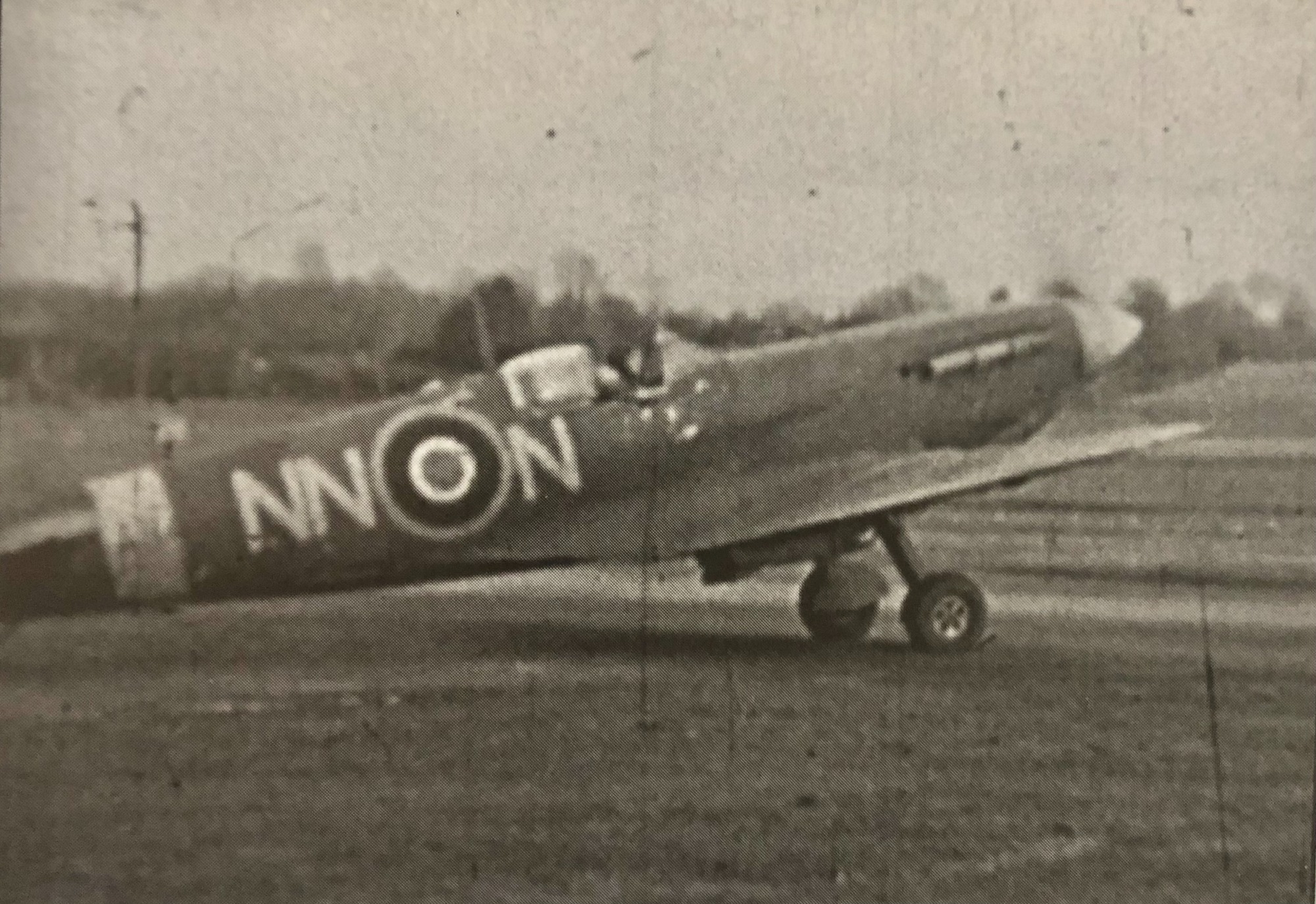
Below - Spitfire Mk 5b taxies out of its dispersal at Exeter. Photo taken from the book Czechs In The RAF by Zdenek Hurt (c).
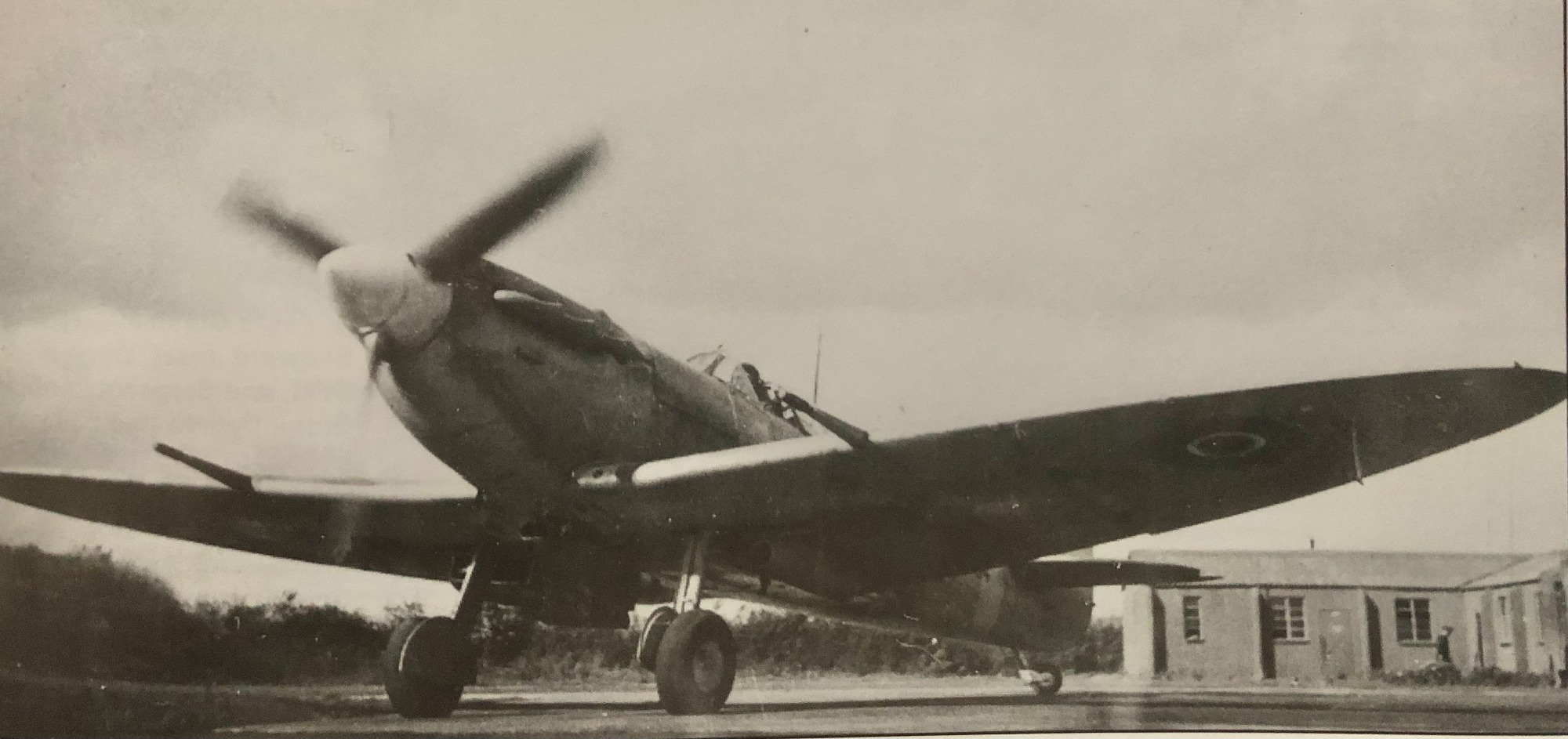
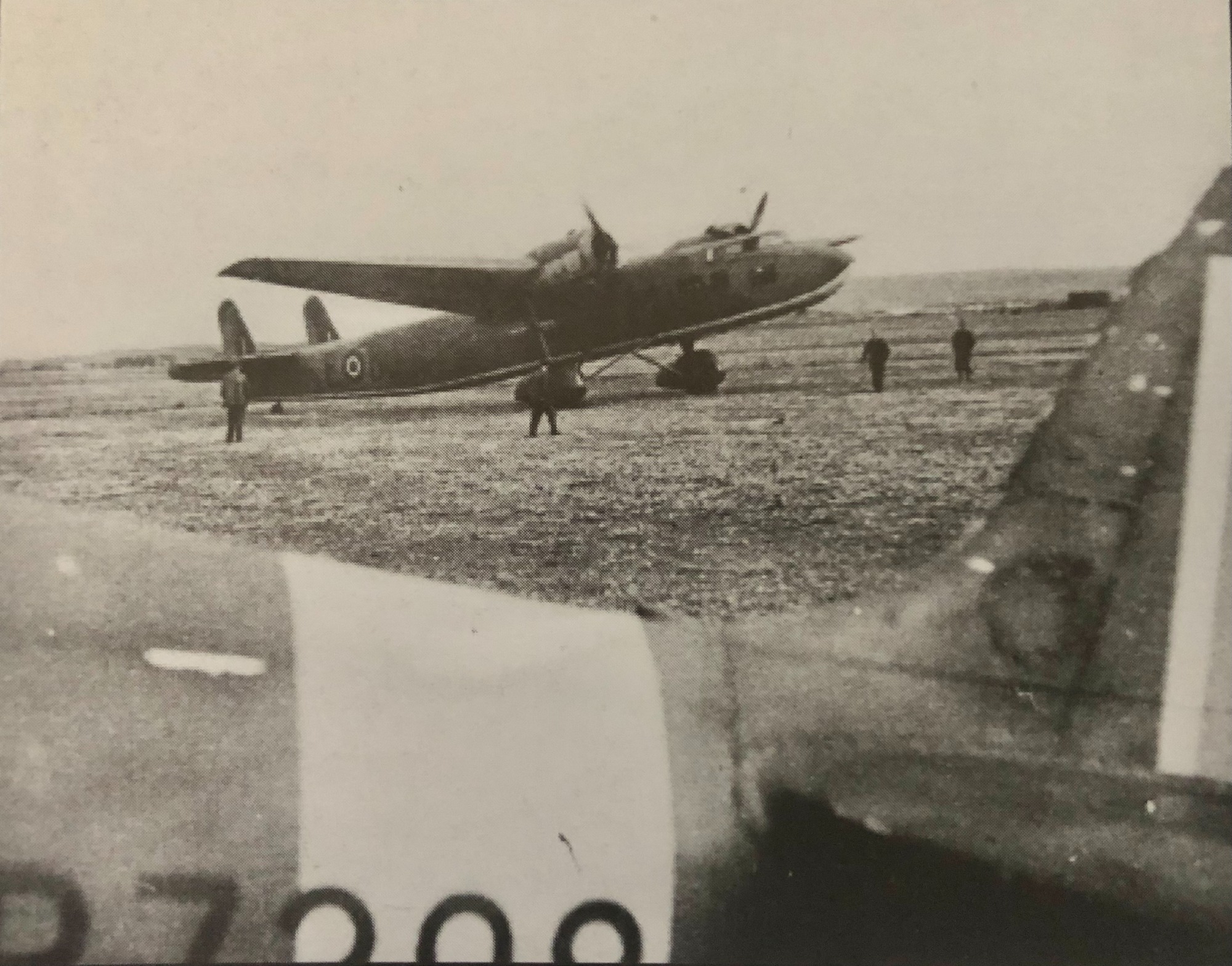
Below - On 26 June 1943 all personnel boarded No. 271 Squadron transports and were flown from Exeter to Castletown, Scotland. Here a Handley Page Harrow, coded BJ-E, can be seen over the tail of Spitfire Mk. 5b R7298 NX-Q, still in No. 131 Squadron markings. Later the 'X' was over-painted with an 'N'.
Photo taken from the book Czechs In The RAF by Zdenek Hurt (c).
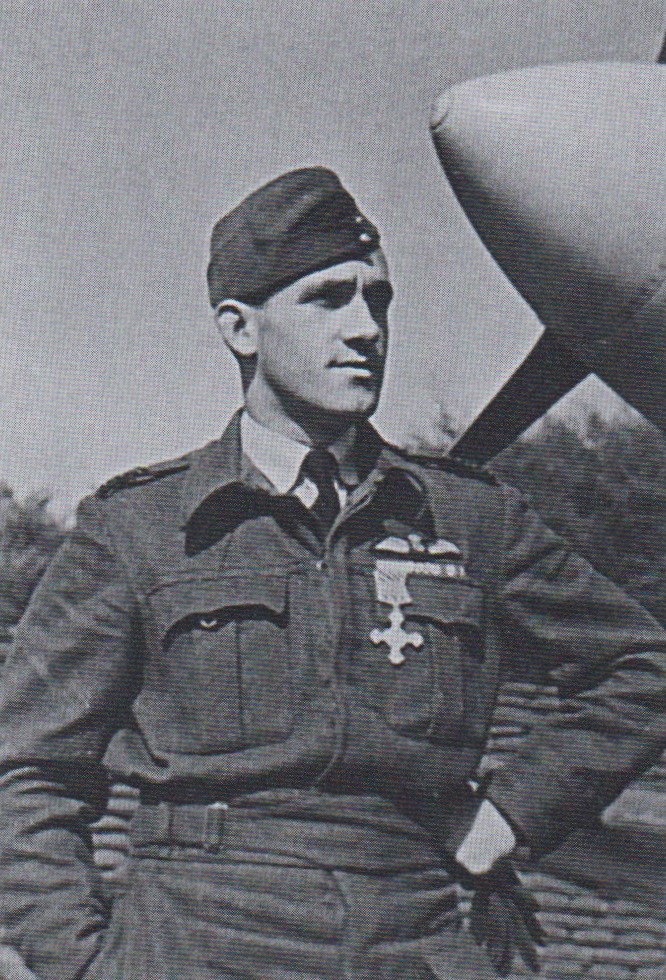
Below - Wing Commander Karel Mraz̆ek DFC, the Czech Wing Leader, seen here on the award of his DFC at RAF Exeter. Mraz̆ek flew Spitfire 5c AR502 on 28 August 1942, sharing in the destruction of 1F/123 BF109F - 410188. Mraz̆ek flew this aircraft almost exclusively from its delivery to 310 Squadron in June 1942 to October 1942, when Flying Officer Jan Doucha began to fly the aircraft.
Photo credited to Pavel Vanc̆ata. Information sourced from the book 'A Tale of Ten Spifires' Andrew Critchell.
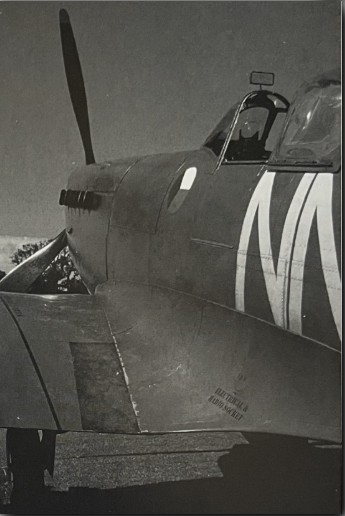
Below - A well weathered Spitfire 5c AR501 at restat Old Warden prior to its restoration. The Spitfire is shown wearing the NN-A markings it wore while serving alongside AR502 and AR503 with 310 Squadron at RAF Exeter.
Sourced from the book 'A Tale of Ten Spitfires' by Andrew Critchell.
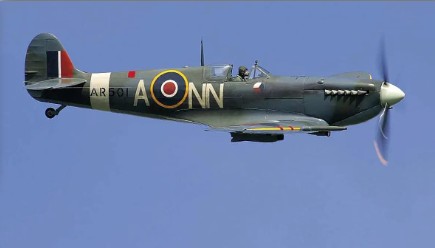
Below - Spitifre 5c AR501 wearing its authentic 312 (Czech) Squadron paintwork making one of its regular appearances at Old Warden before going in for its major restoration.
Sourced from Shuttleworth’s ‘missing’ gem - Aviation Classics
Nick Blacow
Below - This is Spitfire 5c, AR491, from July 1942, at Exeter. It was originally coded NN-B. On 28 April 1943 it sustained damage to its rudder when attacking an enemy convoy sailing east of Sept Isles. Sergeant Augustin Mejer returned safely to Exeter, where the machine was declared Cat. B and repaired locally.
Sourced from Czechs in the RAF book
by Zdenek Hurt.
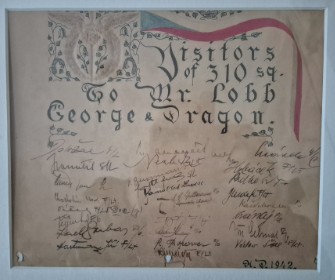
Below - This is a unique piece of memorabilia courstesy of Suzannah Holwell, Clyst St George, Devon. Members of the 310 Czechoslovak squadron presented this scroll to the then landlord of the St George and Dragon pub/restaurant, Mr Harold Lobb, in 1942. All squadron members signed this as a token of their appreciation for his service.
The story of Pilot Officer Strihavka of
310 Czech Squadron RAF Exeter:
Pilot Officer Strihavka joined Czech Army as a pilot in 1932. Two years in Prostějov which is a city in the Olomouc Region of the Czech Republic, here he carried out his training until when the Germans invaded, he then escaped to France and joined the French Air Force. When the Germans invaded France, he once again escaped, this time to the UK and joined the RAF. He is one of the few 88 Czech Battle of Britain Pilots.
In August 1945 he flew a spitfire back to Prague with 313 Squadron and continued his service in the Czech Air Force until 1948. When he could no longer take the communist ways, his wife went via Vienna and he escaped over the mountains to Germany and the RAF flew him back to into the UK.
Watch part 1 of a rare 310 Czechoslovak squadron footage at RAF Exeter and other locations here -
https://youtu.be/mFUt5GB1Jrc?si=aXexvcv4fxtDzV_d
and part 2 here - https://www.youtube.com/watch?v=BwCrK1p4P48&t=54s
The rare video footage below is of Rudy Klecka who was a US Army GI who worked at Digby in Exeter, Devon. He is filmed at RAF Exeter, Devon with the 310 Czech Squadron who served there from 1942-1943 flying Spitfire Vc aircraft.
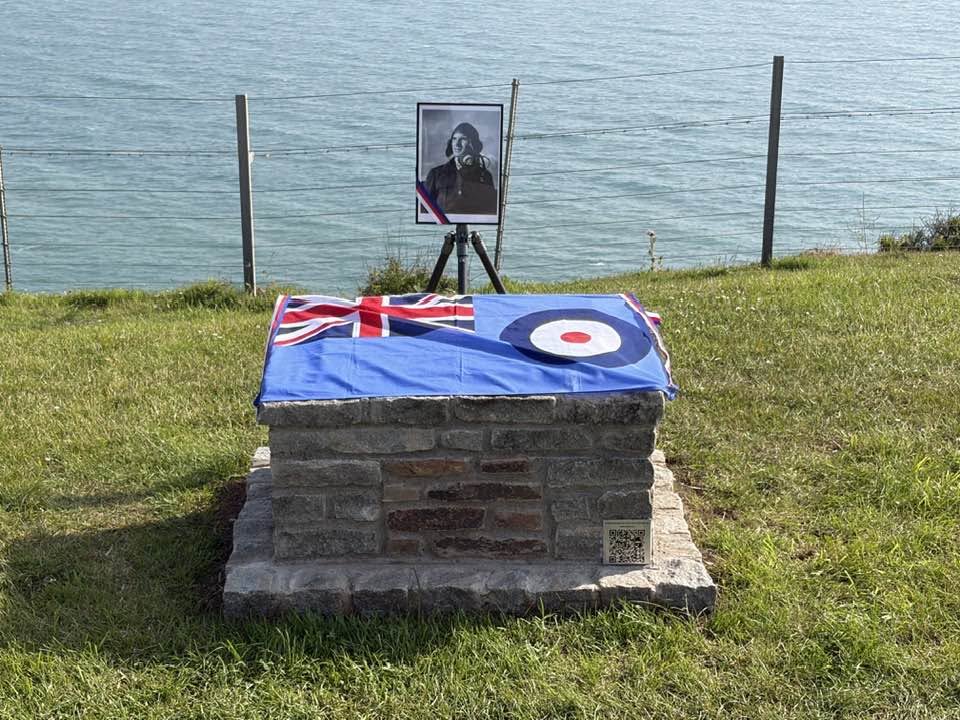
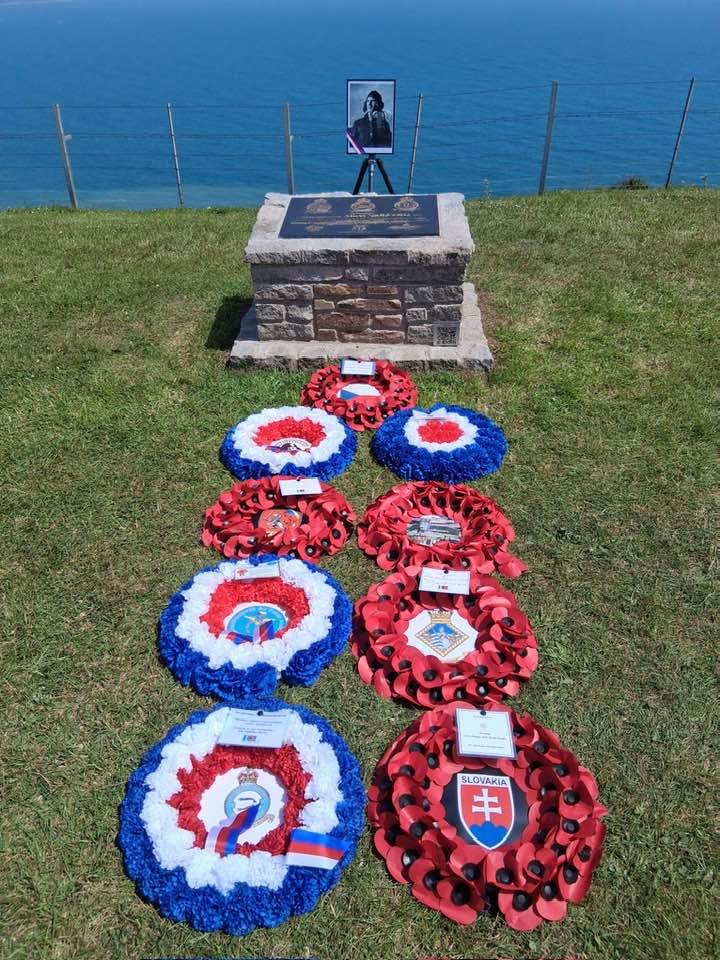
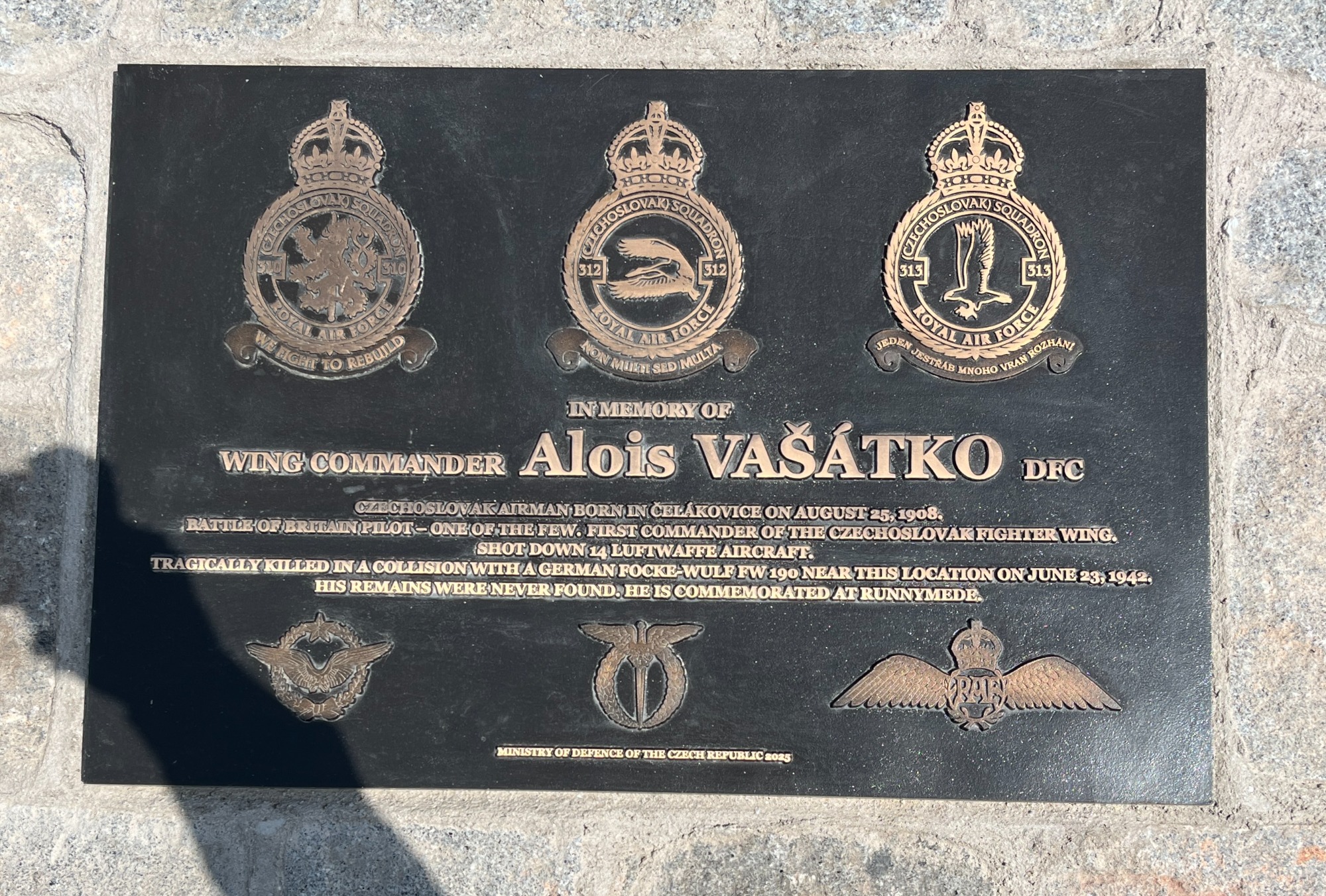
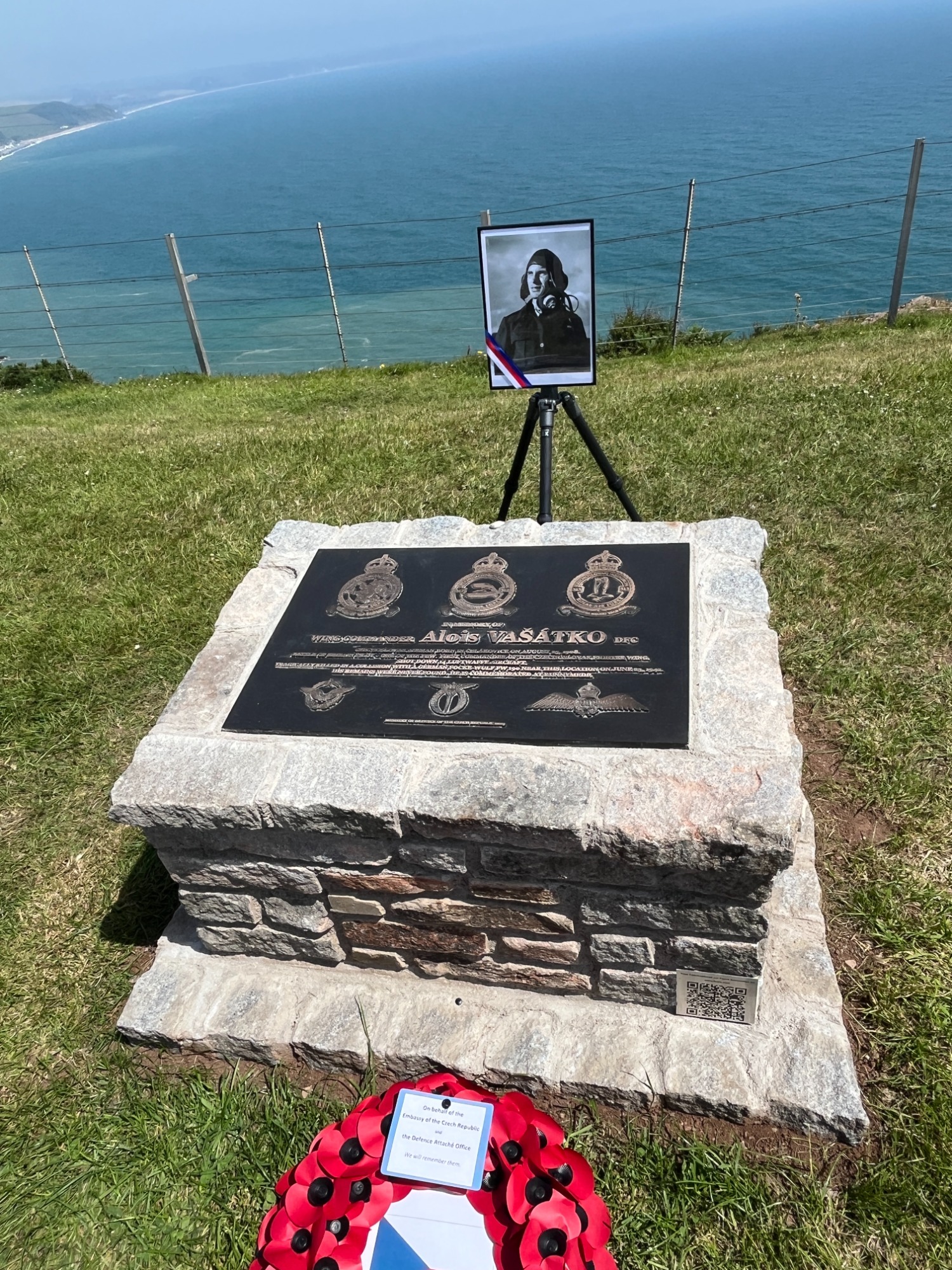
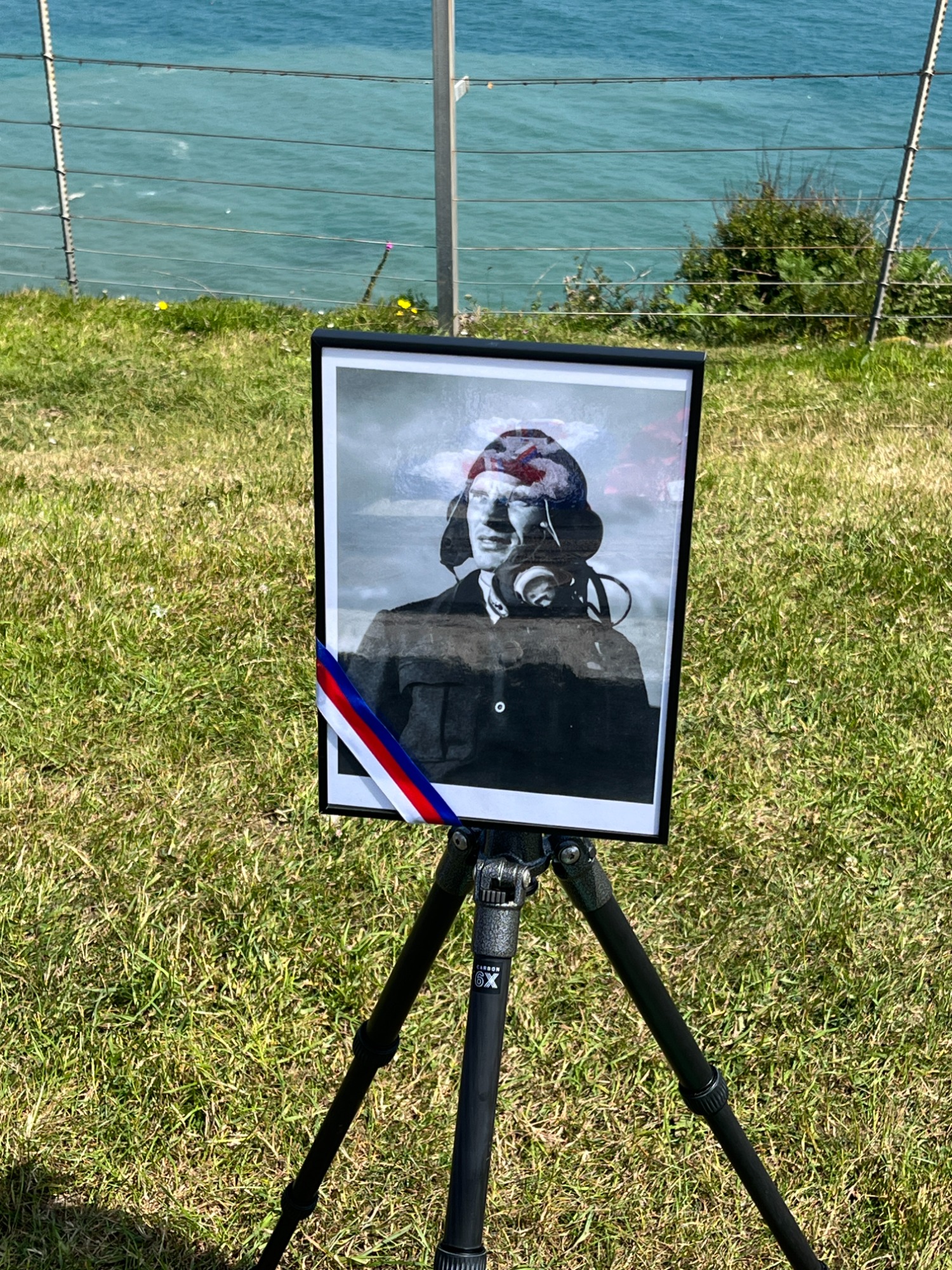
In Memory of Wing Commander ALOIS VASATKO DFC
Lost on 23 June 1942 into the sea off Start Point, Devon
The No. 310 Czechoslovak Squadron from RAF Exeter along with 312 from RAF Bolt Head and 313 from RAF Church Stanton (Culmhead), formed up over Start Point , to escort Bombers and all saw action on the evening of the 23 June 1942. Sadly, Wing Commander A Vasatko (Czechoslovak) was reported missing believed killed. His Spitfire BH592 from RAF Exeter Station Flight, had failed to return.
Following a meeting held on the morning of the 24 June at RAF Exeter, two sections from each flight flew a search and rescue sortie between Exmouth and Start Point hoping to see signs of the Wing Commander or his Spitfire. Nothing was located and so the flight returned to RAF Exeter.
Information was later received on the 25 June that a German pilot was picked up from the sea who reported he had collided with a Spitfire aircraft on the evening of the 23 June. The Squadron presumed that this Spitfire was indeed the aircraft belonging to Wing Commander A Vasatko, therefore he was presumed Killed.
This tragic loss was soon shared around the Squadron and was deeply regretted by the airmen.
Information relating to this incident was logged in the Operational Record Book on the 24 and 25 June 1942.
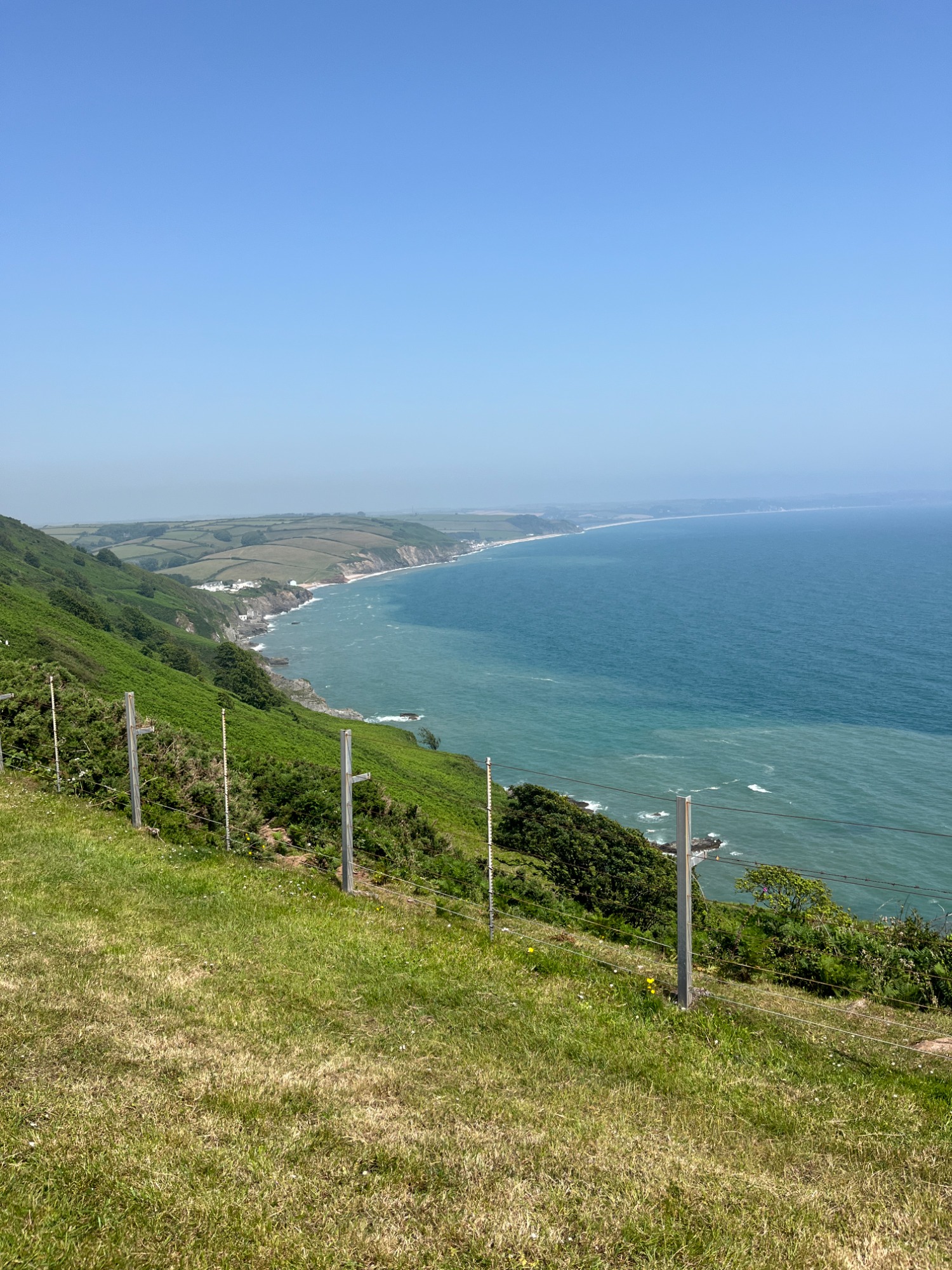
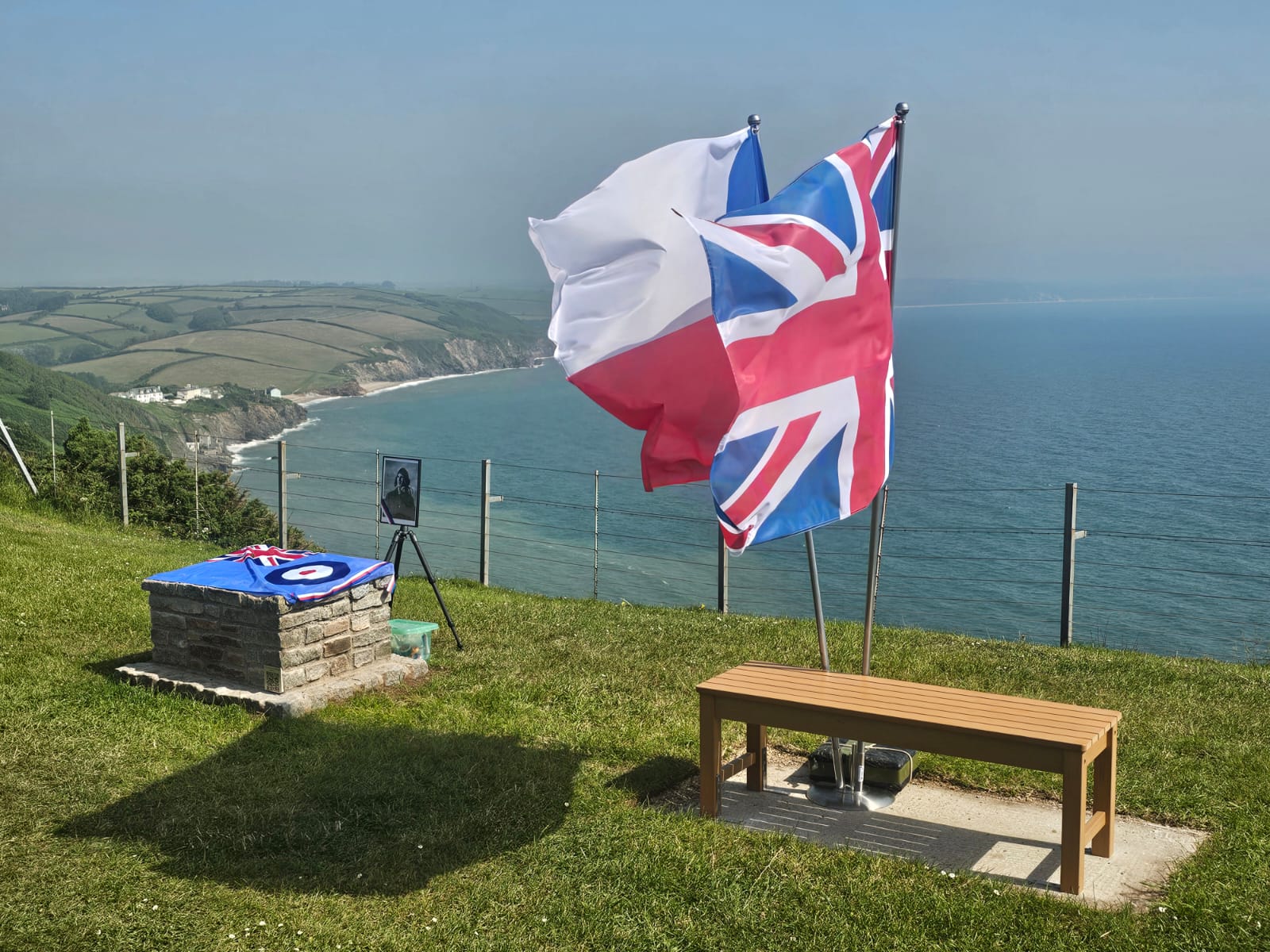
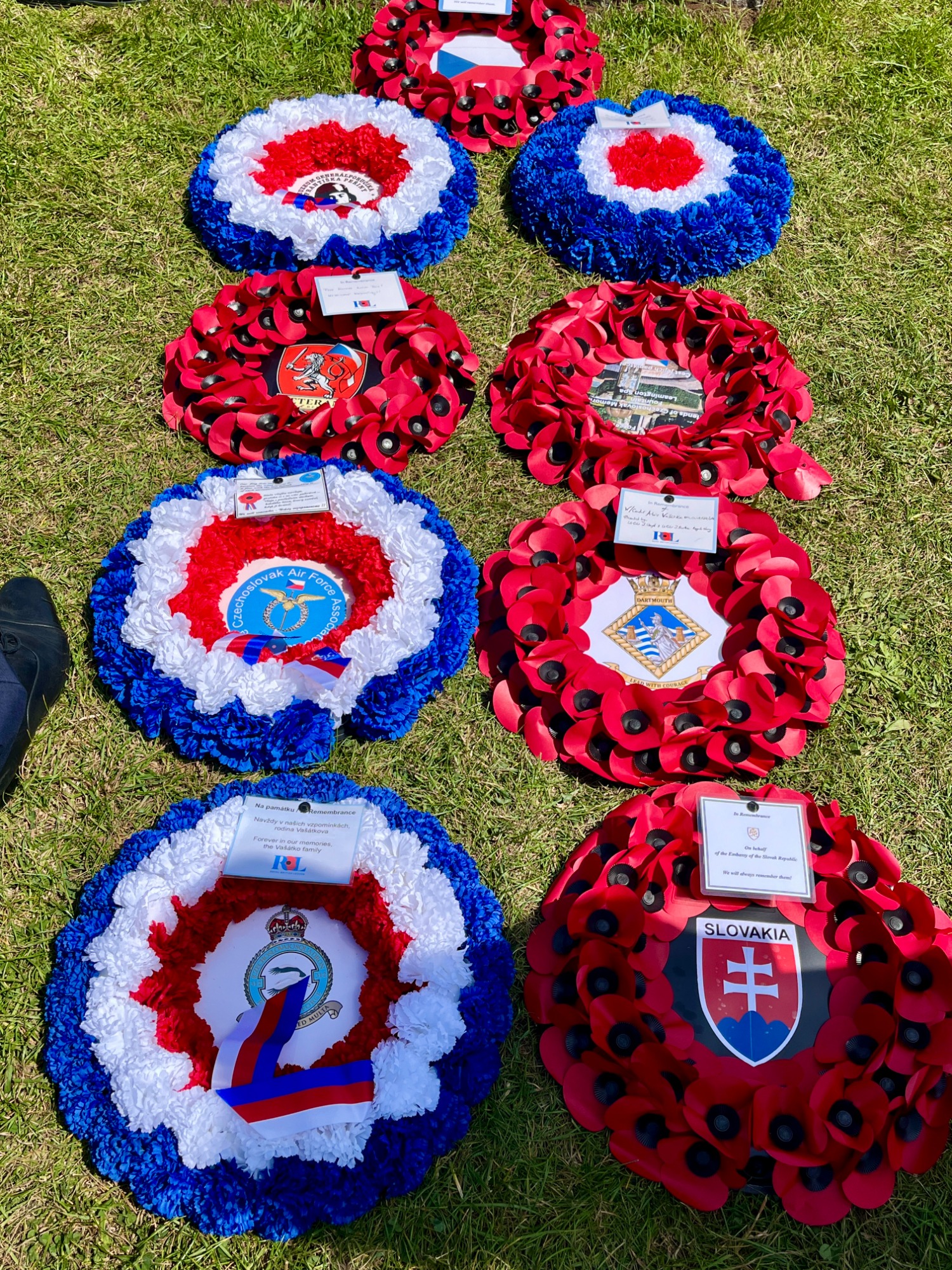
Images from the unveiling of this special memorial on Start Point, South Hams, Devon on 23 June 2026
Article translated from Michal Rak from the webpage
RAF Exeter - ČsOL - ČsOL
RAF Exeter
9. 1. 2017
At the beginning of May 1942, our national fighter wing was formed from three Czechoslovak squadrons within the British Royal Air Force and under the leadership of the legendary W/Crd Alois Vašátek. Its first home base was Exeter Airport, near the historic town of the same name in Devon. The British thus ran it under the designation Exeter (Czechoslovak) Figher Wing.
Exeter Airport opened on 31 May 1937 and served domestic flights, including flights to the island of Jersey. From the beginning, it had three runways, with the main one being built in the east-west direction. With the deteriorating political situation, it was transferred to the Royal Air Force, which entrusted it to the administration of the Fighter Command after a short use for auxiliary purposes. On June 1, 1940, his 10th Group was re-formed, which was responsible for the air defense of the southwestern part of the island kingdom. On 10 July 1940, the day of the opening of the Battle of Britain, pilots of Hawker Hurricane aircraft of No. 87 and 213 Squadrons operated from Exeter, which was replaced by No. 601 Squadron in September. It operated here until December and thanks to it the first nine Czechoslovak fighters appeared in Exeter for the first time. The very first were František Bernard and Rudolf Roháček, and later, for example, Jiří Maňák or František Mareš.
At the beginning of 1941, the RAF began raiding targets in occupied Europe, and although mainly units of the neighboring 11th Group were involved in the actions, the "ten" soon joined the action. The basic unit then became the wing, a higher organizational unit consisting mostly of three squadrons and named after the sectoral base. Already in August 1941, a wing consisting of Polish squadrons numbers 302, 316 and 317 was formed in Exeter. Less than a year later, they were replaced by Czechoslovaks. However, the airport in Exeter was not large enough to accommodate three complete squadrons, moreover, from April 1941 it served as a base for the 307th Polish Night Fighter Squadron. Only the wing headquarters and 310 Squadron were located in Exeter, while the other two Czechoslovak squadrons operated from nearby satellite airfields. 312 from RAF Harrowbeer and 313 from RAF Churchstanton. Czechoslovakia. squadrons left Exeter in June 1943, when they flew north to rest in Scotland. During their operation from Exeter airfield, the pilots of 310 Squadron gained 7 and a half certainties and 2 probable victories, damaging 12 aircraft. 9 pilots of the unit lost their lives at that time and the commander of the B F/Lt squadron, František Burda, was captured after being shot down by flak. However, at the very beginning of its operation, on June 23, 1942, the wing lost its commander A. Vašátek, who was replaced by Karel Mrázek.
However, the Exeter wing as such did not disappear, only the places of the Czechoslovak squadrons were taken by British and later Canadian units. With the invasion of Europe approaching, the airfield was given to the Americans, who in April 1944 moved the 440th Troop Transport Group armed with more than 70 C-47/C-53 Dakota machines. Their task was to land men of the 101st Airborne Division. In 1945, rescue squadrons and retired units operated from Exeter. In 1947, Exeter became a backup airport and was handed over for civilian use. Again, flights to the Channel Islands and other inland connections flew from it. In the 1980s, the airport underwent a major reconstruction, when the main runway was extended and a new check-in hall was built. International flights have also begun to increase. Since 2007, the airport has had a civilian owner and is one of the most important in this area of Great Britain, handling over 800 thousand passengers a year.
In 2012, a statue of an RAF pilot was unveiled in front of the main entrance to the airport, which is supposed to commemorate the role of the base during World War II. Plaques on the pedestal of the monument list all units that operated from the airport during this period. The author of the monument is the sculptor Frances Margaret. Unlike the operation of the Polish night fighters, who protected Exeter and its surroundings in April and May 1942 during German night raids, the operation of the Czechoslovak airmen is almost forgotten among the local population. Similarly, Exeter Airport, the place where the first Czechoslovak wing was formed, is almost unknown in our country. Hopefully this short one will fix it at least a little.
text: Michal Rak
This page was last updated 7 July 2026