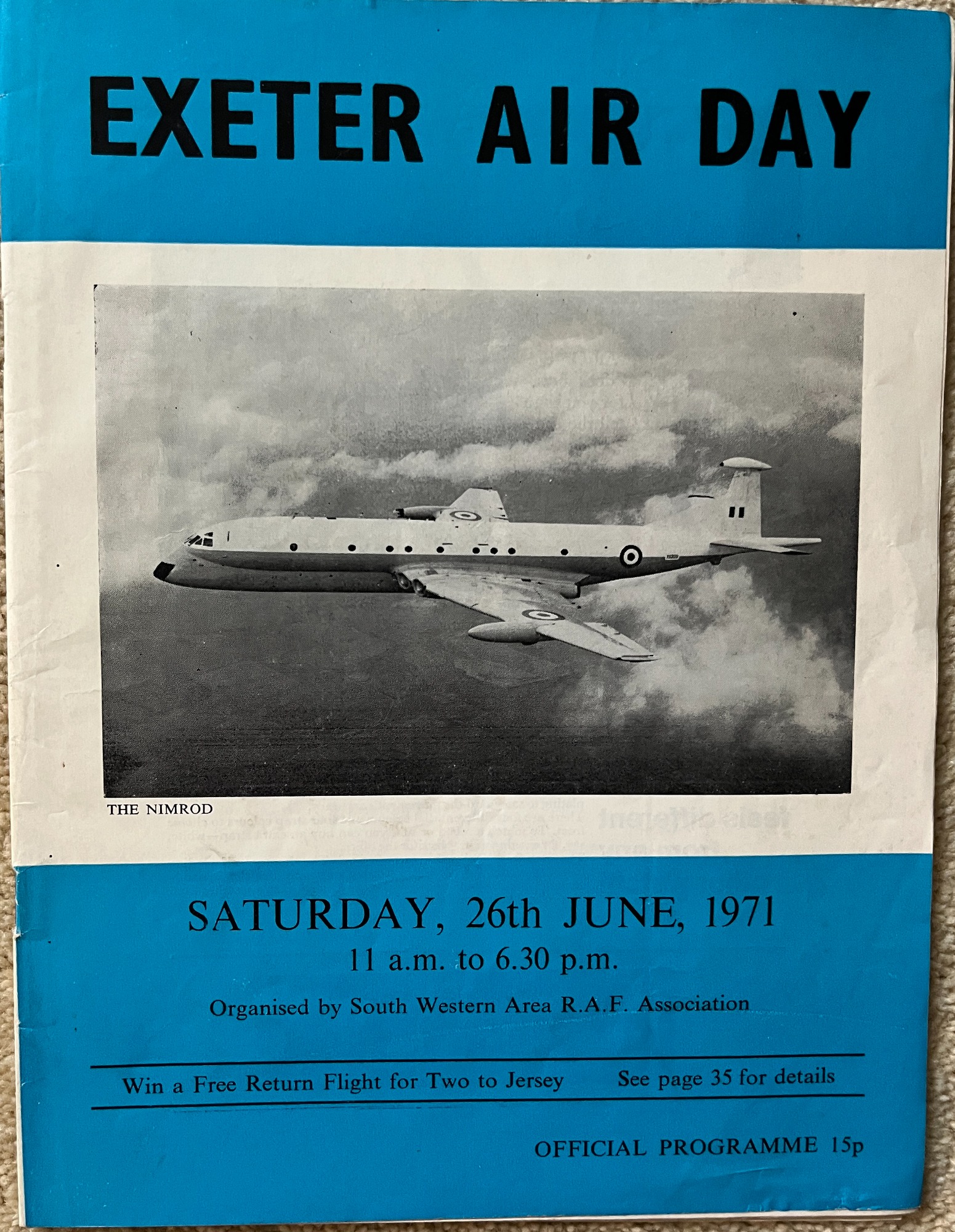
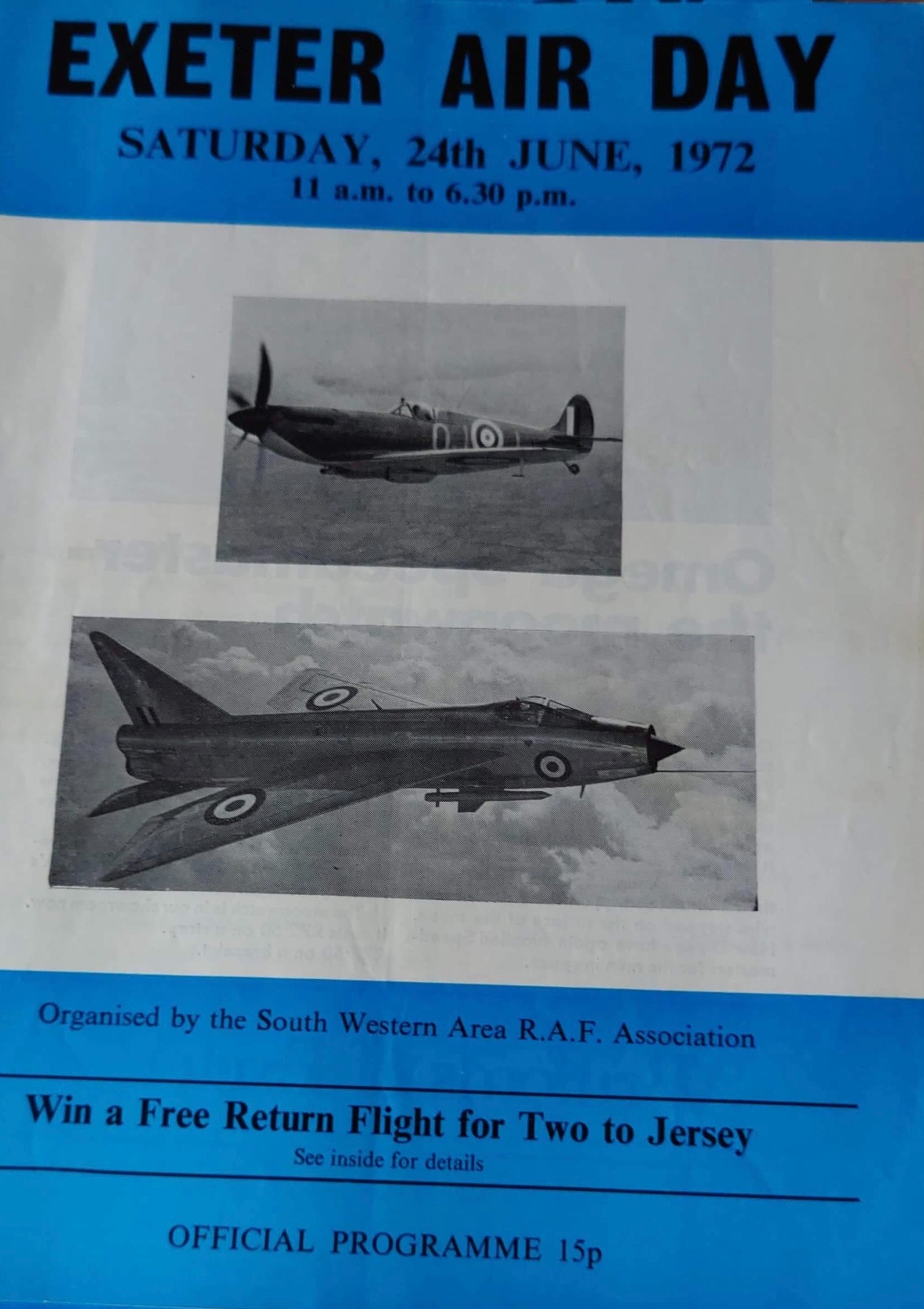
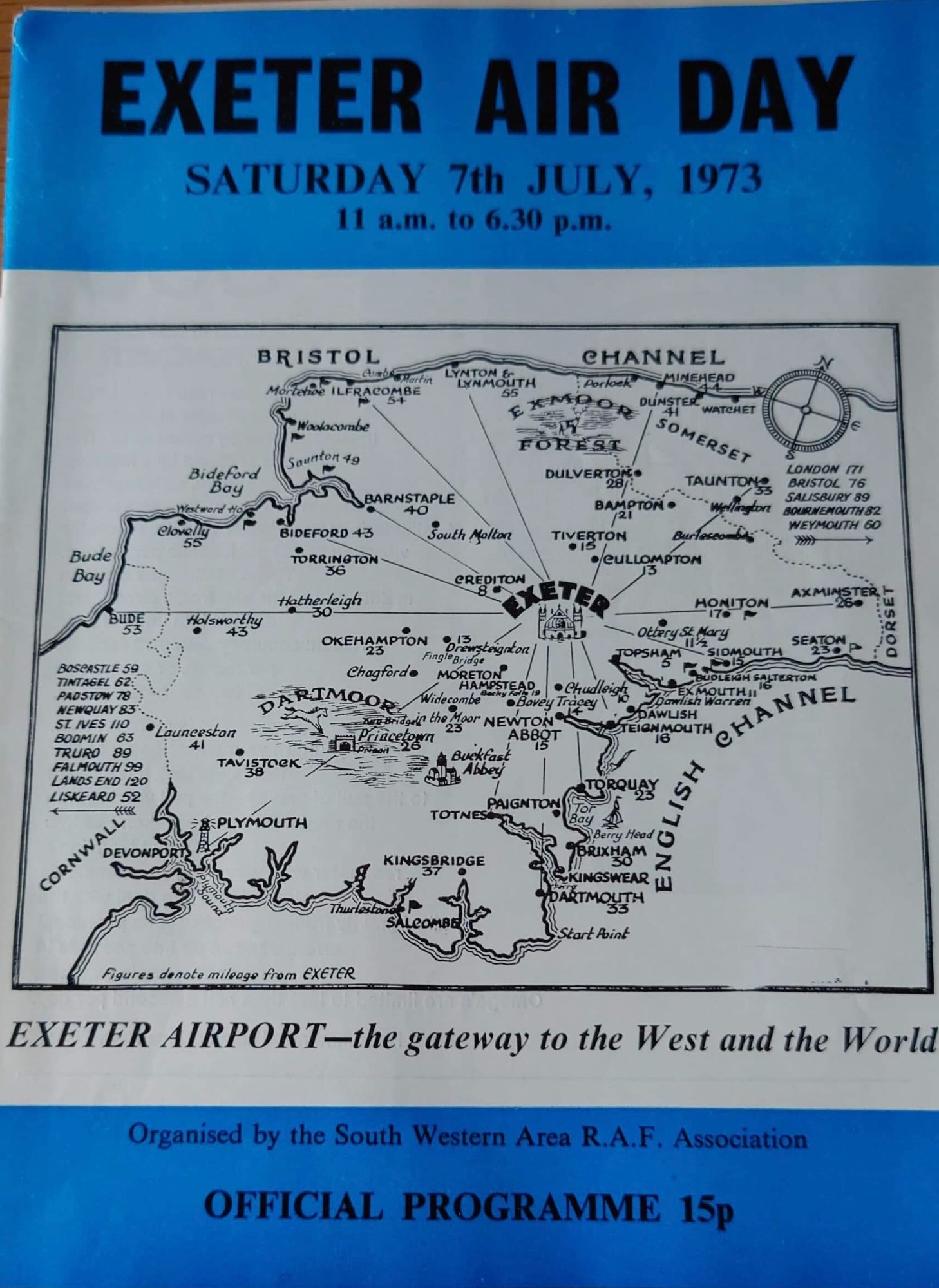
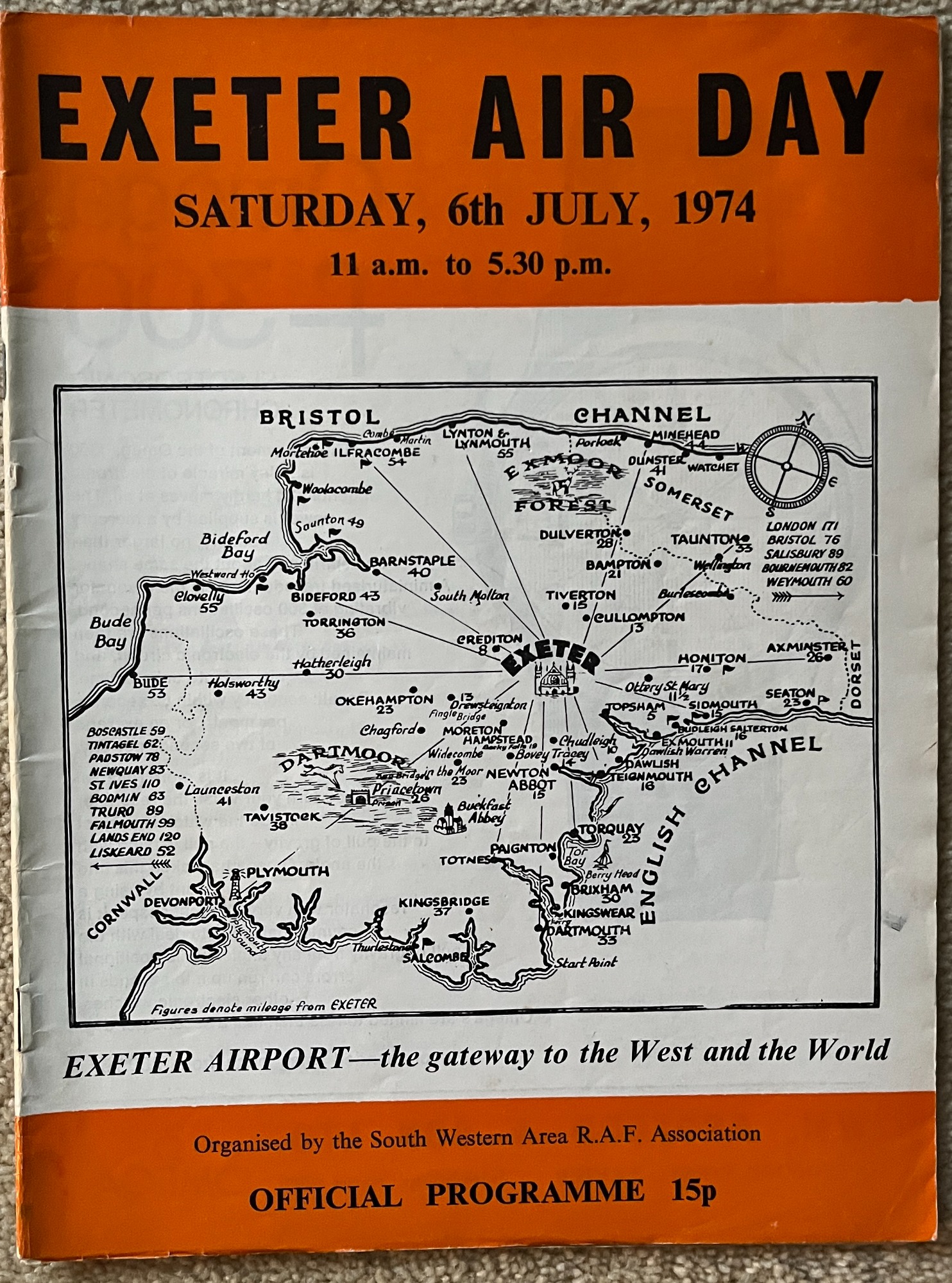
Exeter Air Days
Annual Summer Air Displays
Exeter Air Days – A Brief General History
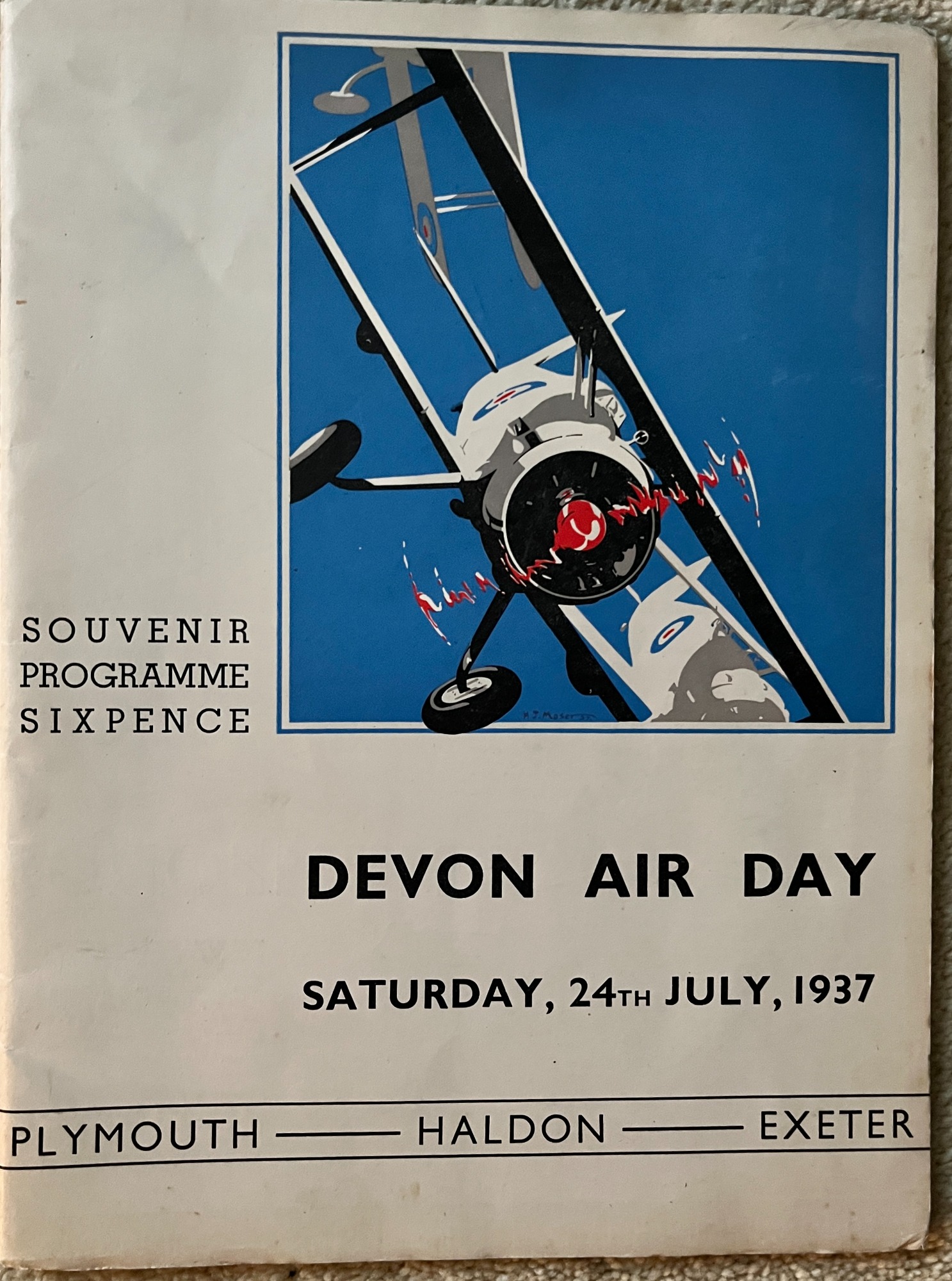
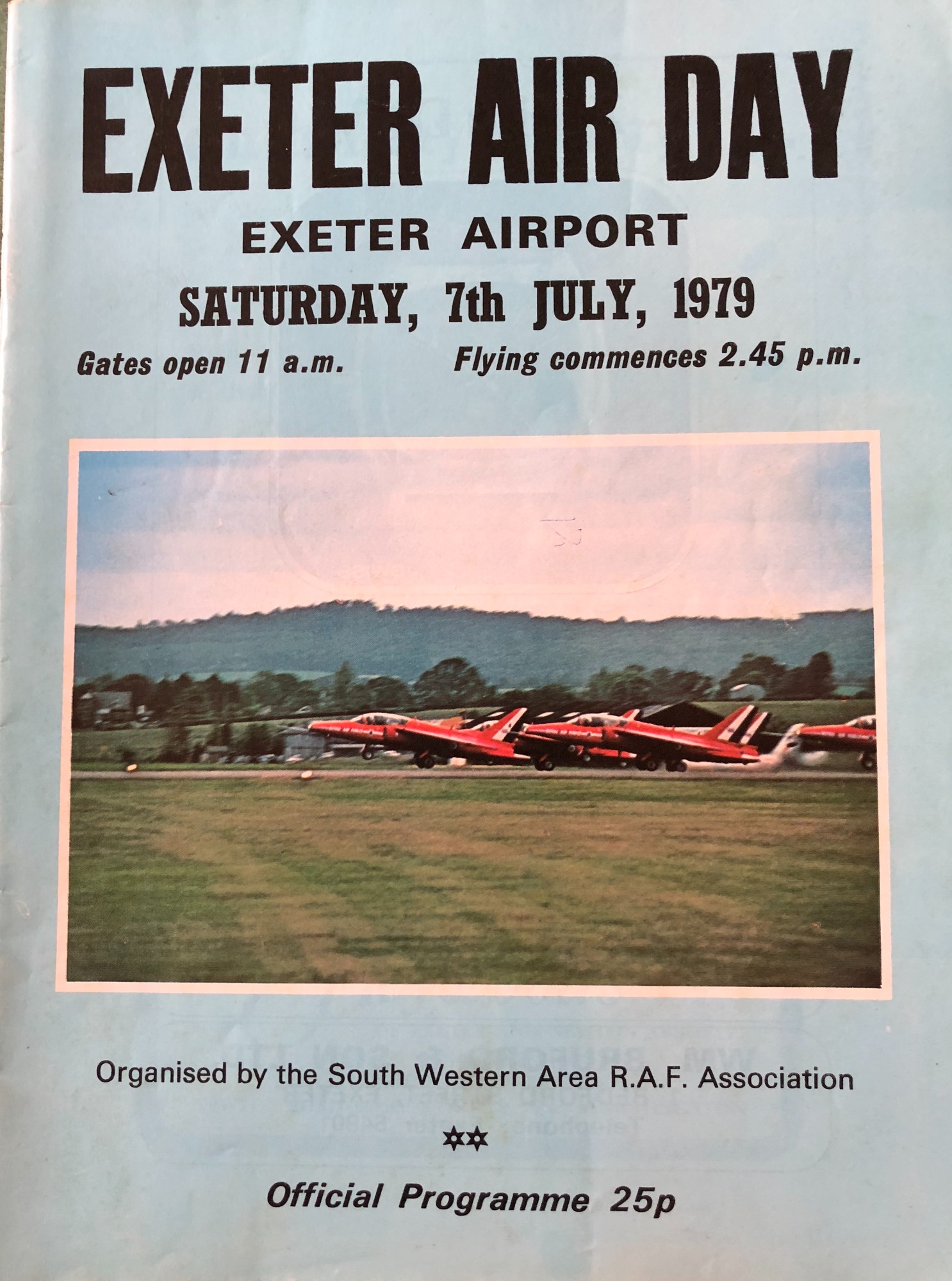
From its modest beginnings in May 1937, Exeter Airfield quickly became the stage for annual Air Displays, inaugurated by the Devon Air Day. This first event was part of a collaborative effort between Exeter, Haldon, and Plymouth airfields, and featured a thrilling Air Race that captured the public’s imagination.
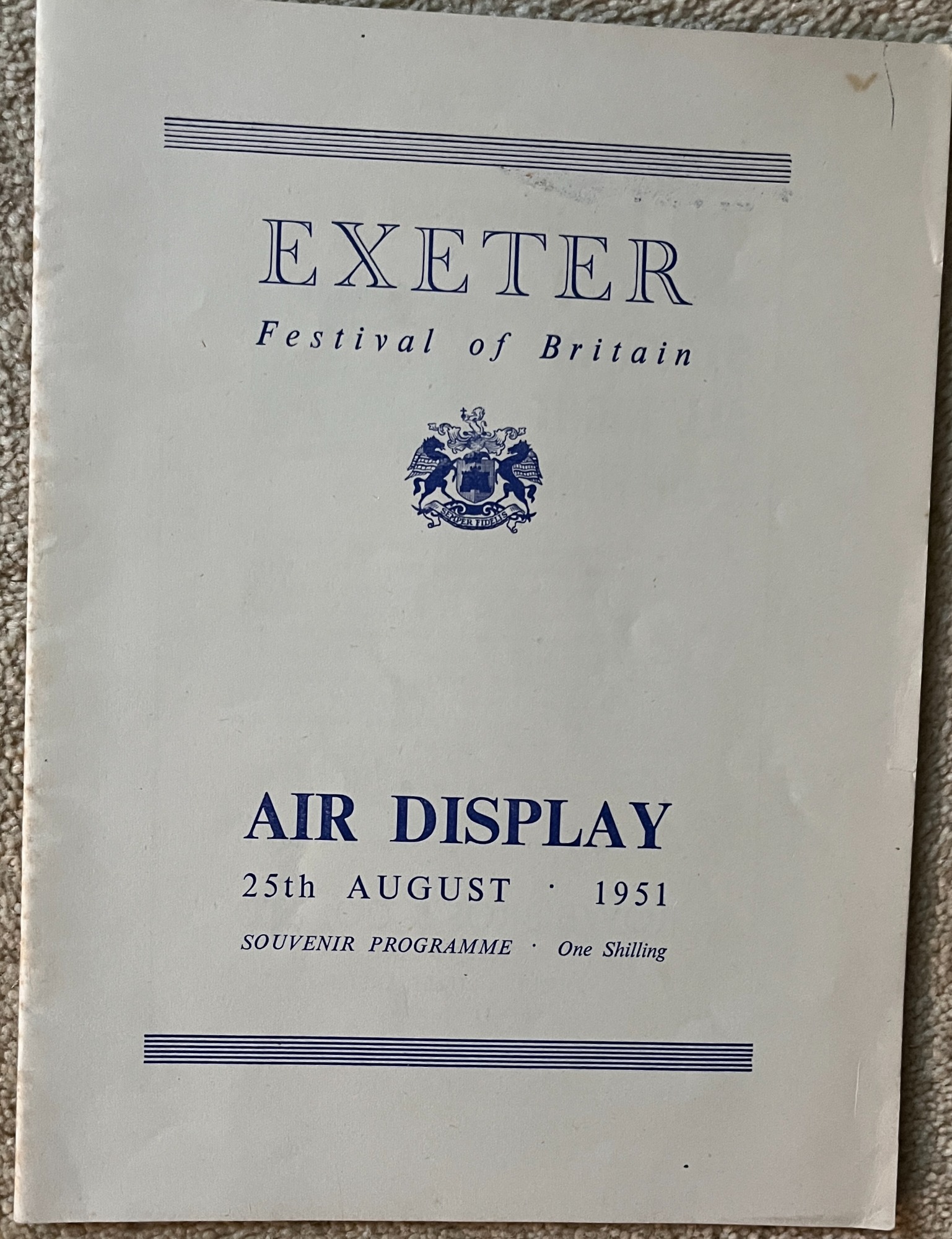
With the outbreak of the Second World War in 1939, the displays were suspended, but the spirit of aviation returned in the early 1950s. At the request of Exeter City Council, the events resumed as part of the nationwide Festival of Britain in 1951, rekindling local enthusiasm for flight and military pageantry.
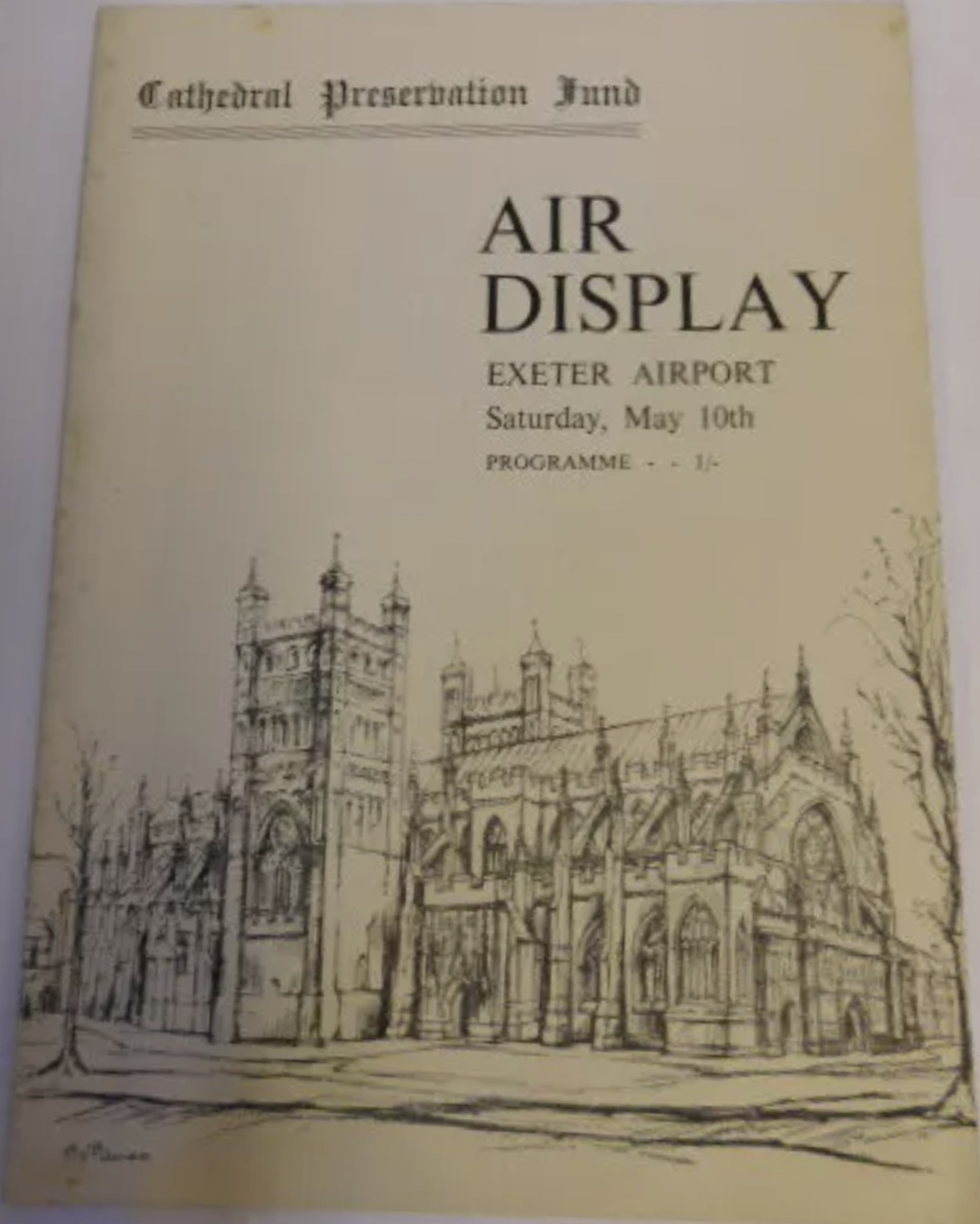
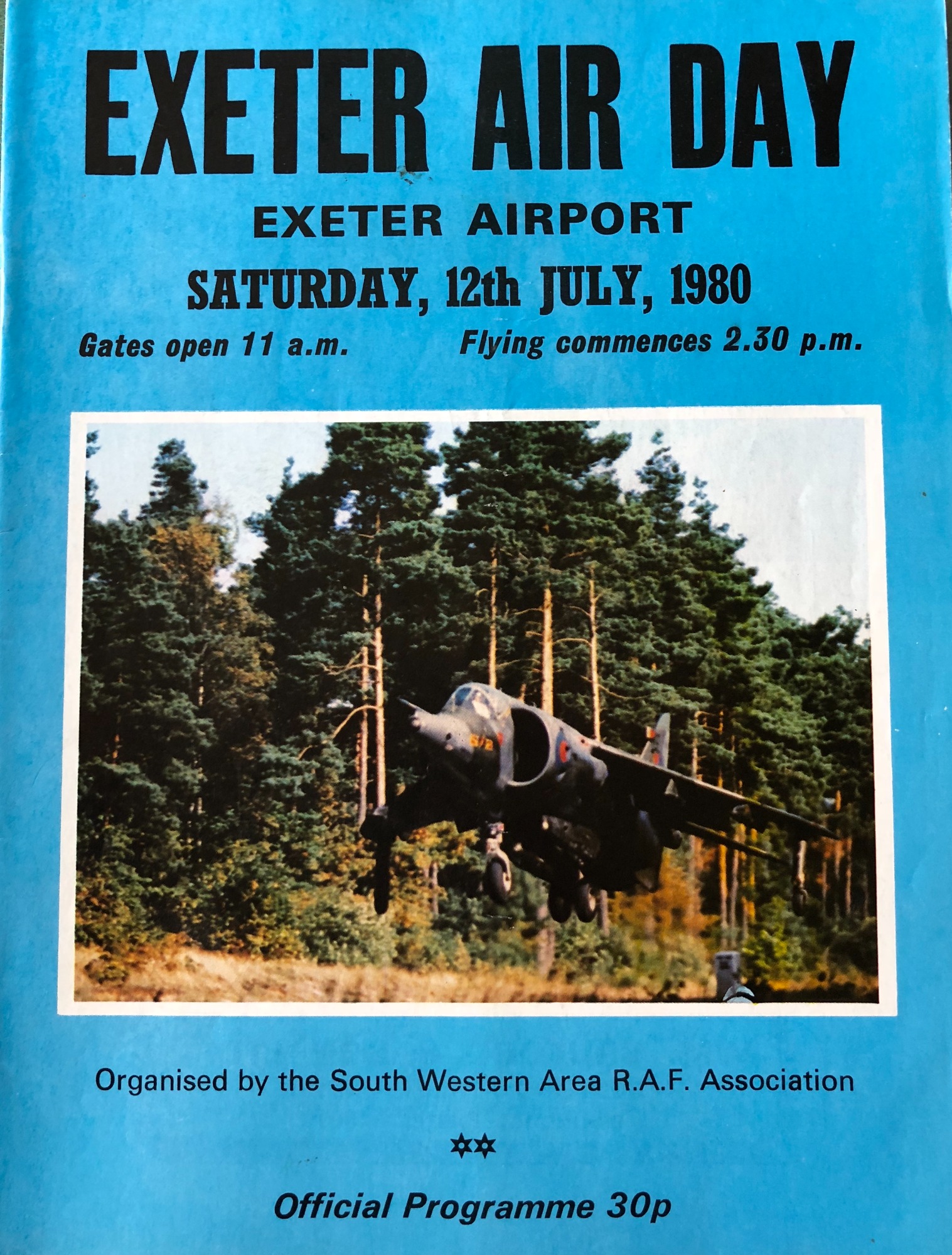
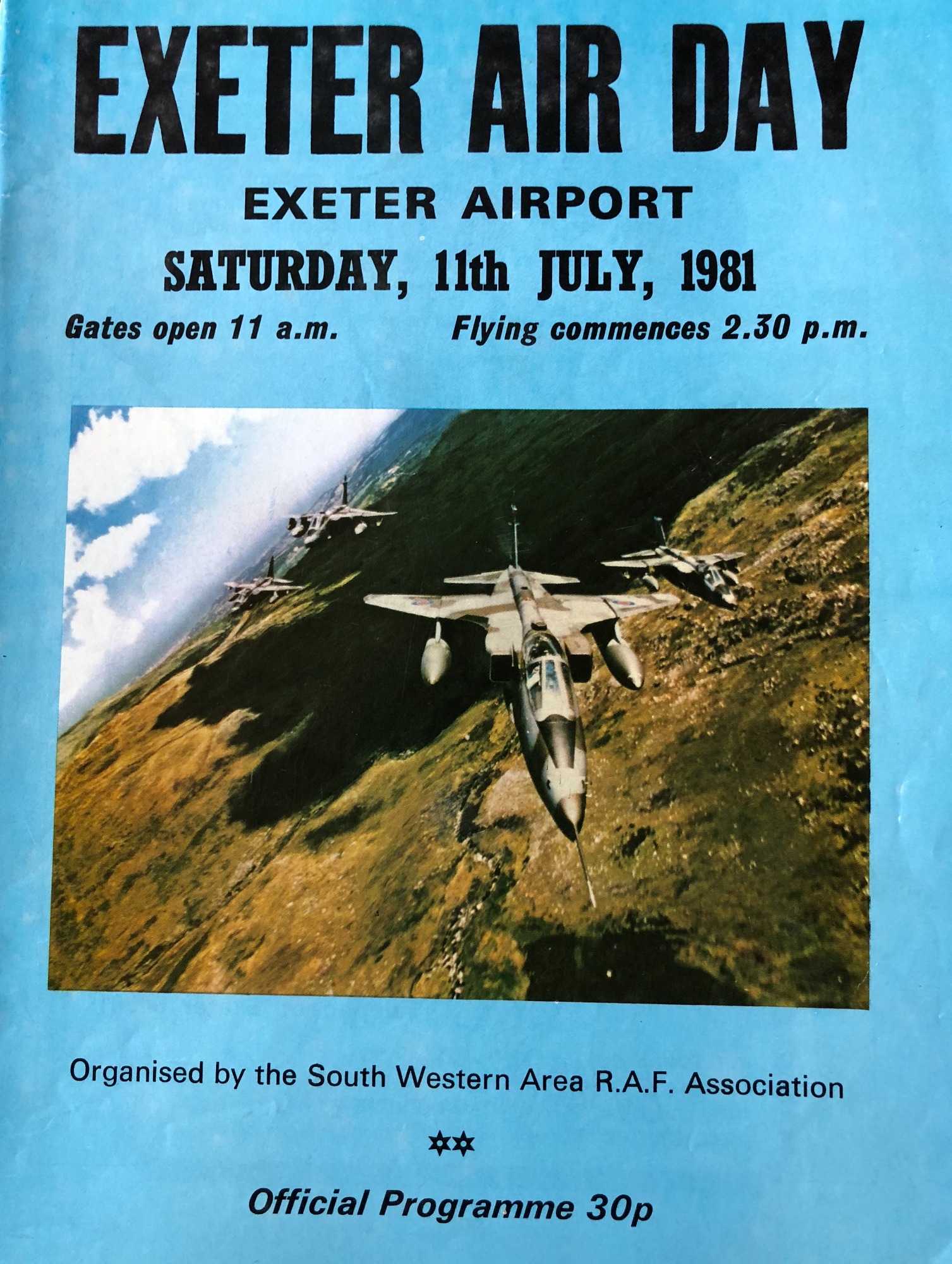
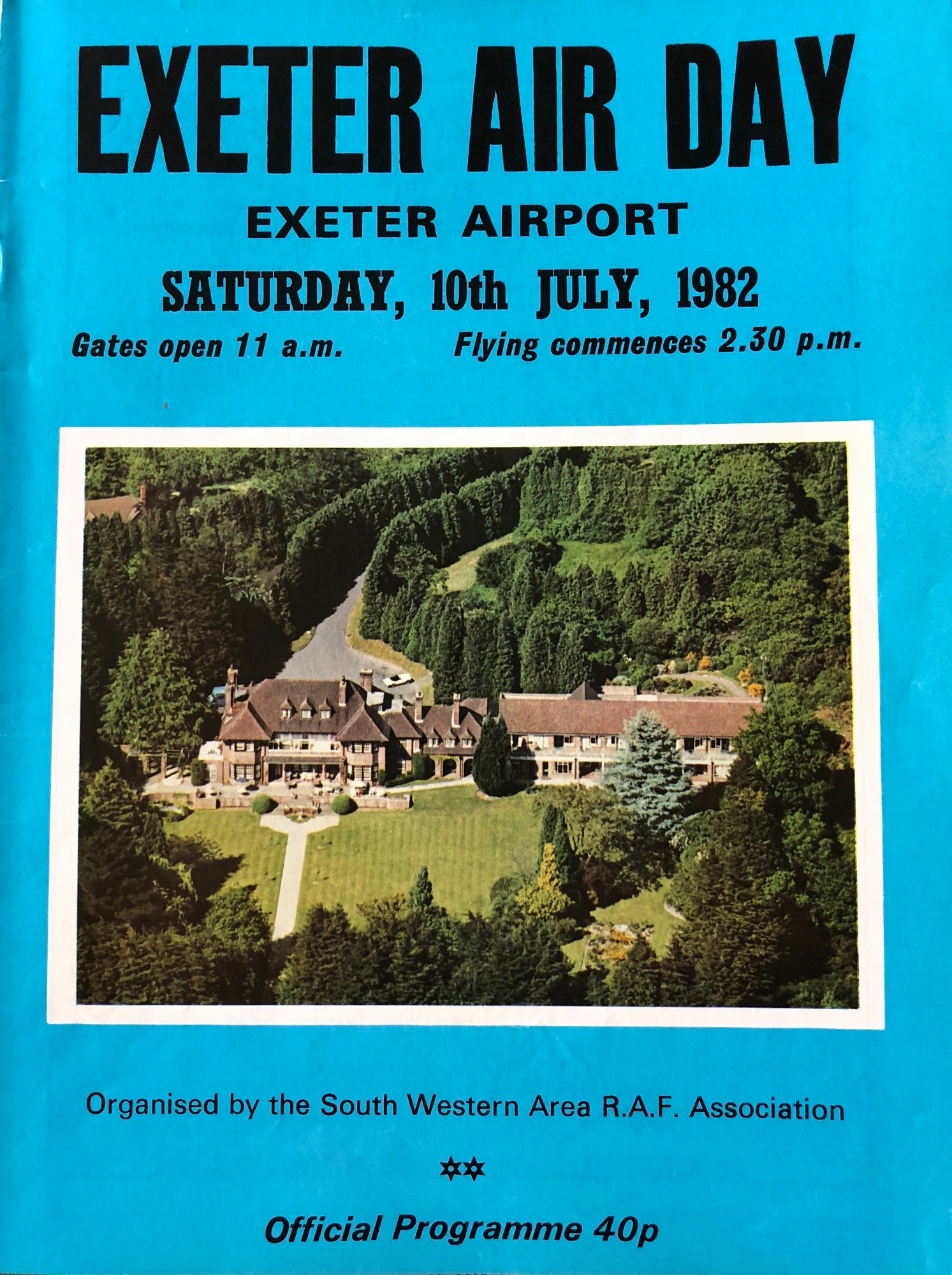
In the years that followed, the South West Branch of the Royal Air Force Association took the helm, organizing annual displays that typically began with an official opening at 2:30pm. These events showcased the diverse roles of the Armed Forces and often welcomed international participants, including notable contributions from the United States. The Exeter Aero Club, a hub for flying training, regularly featured in the programme, reinforcing the airfield’s role in civil aviation.
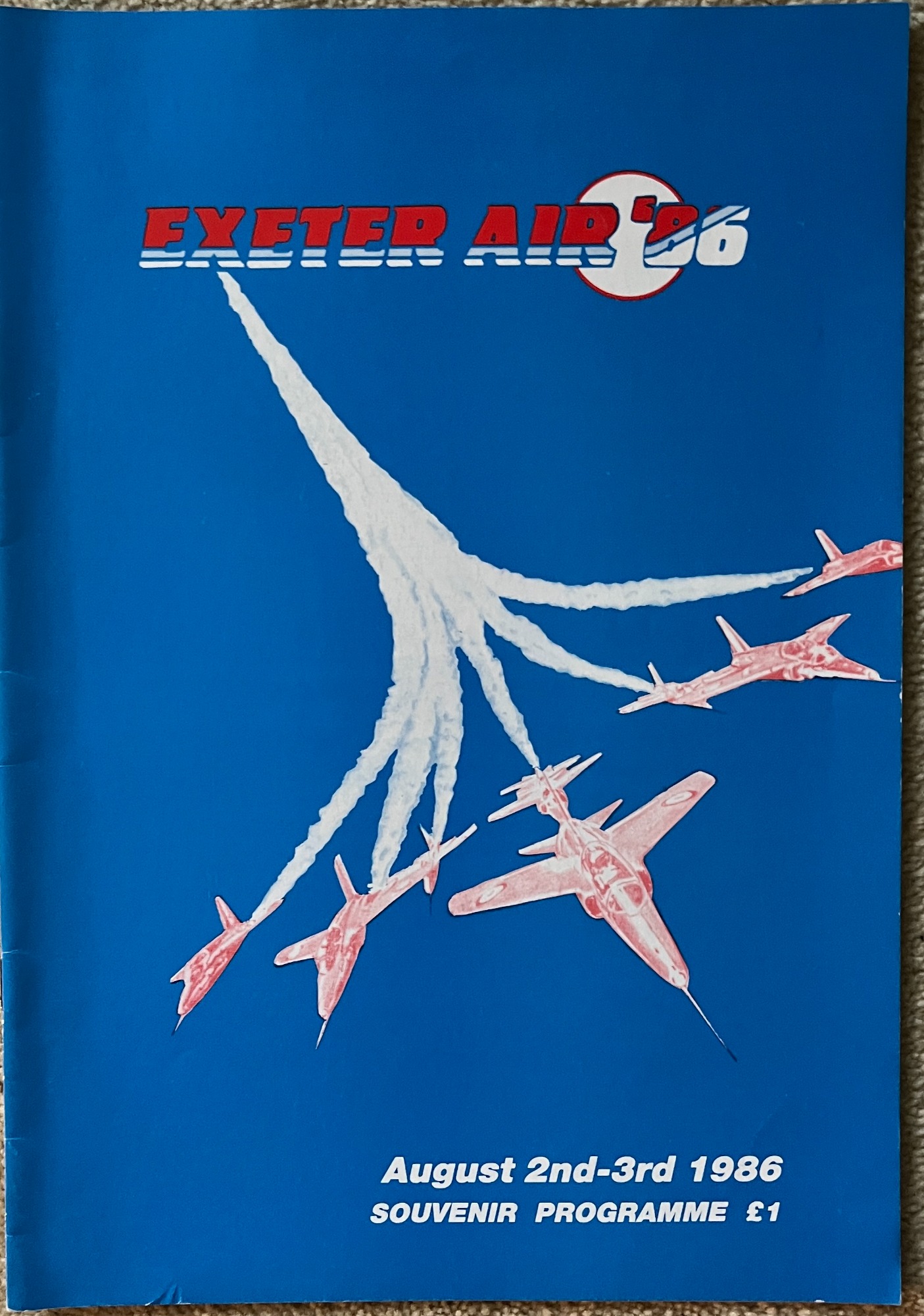
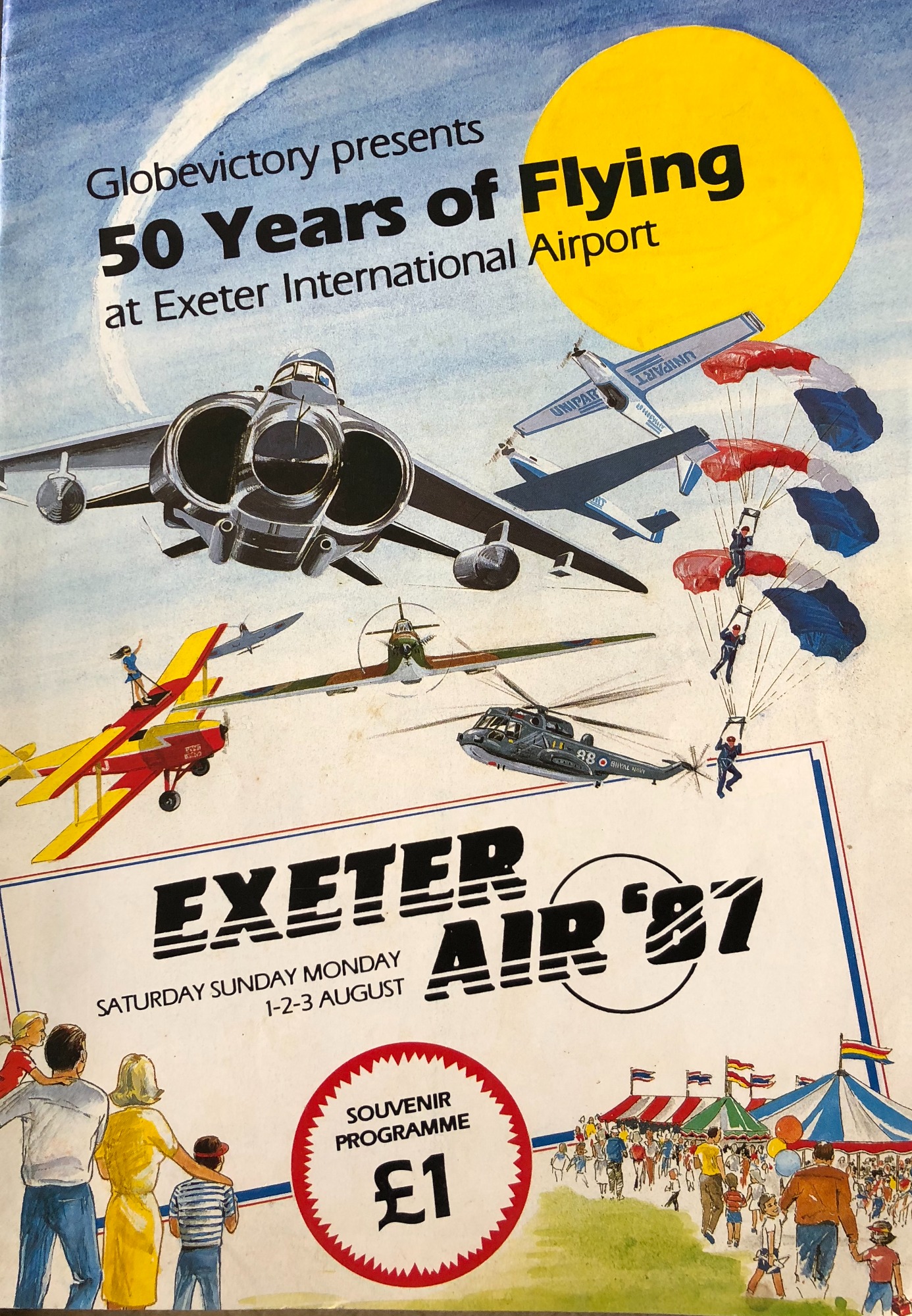
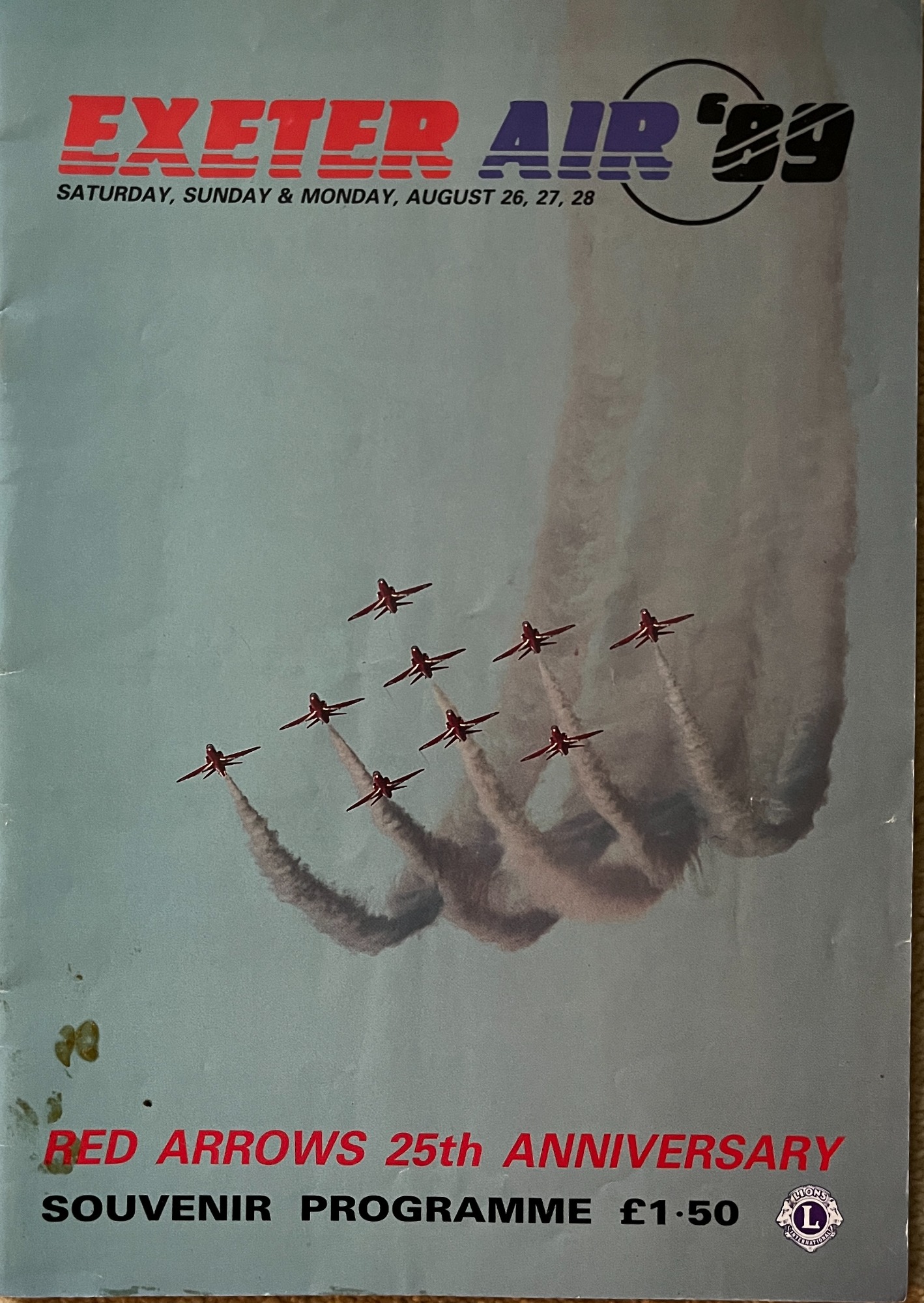
During the late 1980s, private organizers revived the tradition with multi-day displays held over Summer Bank Holiday weekends in 1986, 1987, 1988, and finally in 1989. These marked the last of the formal Air Days, as Exeter Airport evolved into a busy regional hub serving multiple airlines.
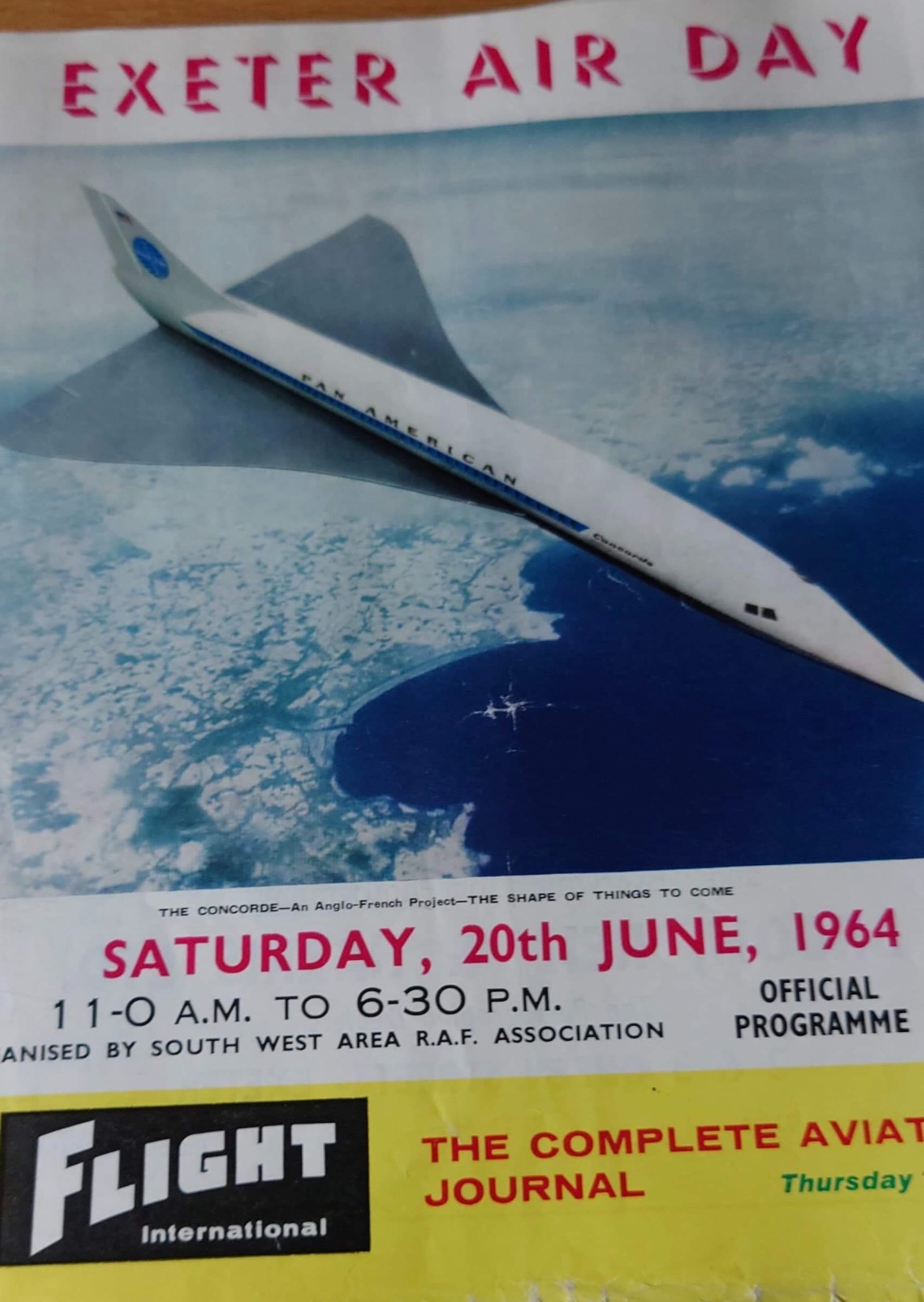
Although large-scale displays ceased after 1989, the airport continued to host special commemorative events throughout the 1990s, including anniversary celebrations and the memorable arrival of British Airways Concorde — a fitting tribute to Exeter’s enduring aviation legacy.
Exeter Air Days
Annual Summer Air Displays
Royal Air Forces Association – Exeter and the annual Air Days:
The Royal Air Forces Association (RAFA), originated in April 1930 under the title of the Comrades of the Royal Air Force and took its present name when it was joined by the Women’s Royal Air Force Old Comrade’s Association in 1943.
It wasn’t until after the war that the association really began to develop and it quickly grew to 200,000 members worldwide. Still continuing the vital work of supporting RAF Veterans and RAF family members the charity moves from strength to strength to this day.
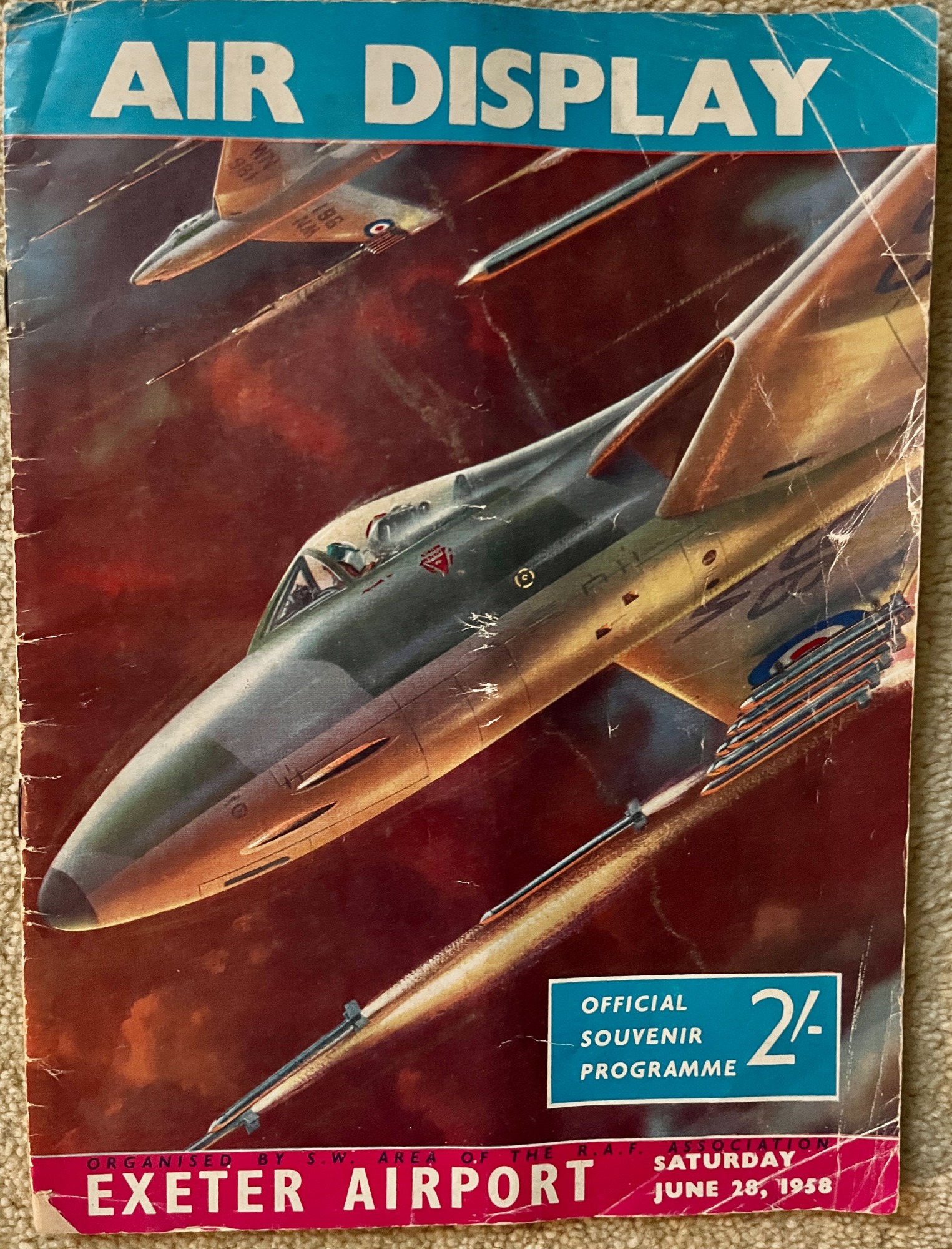
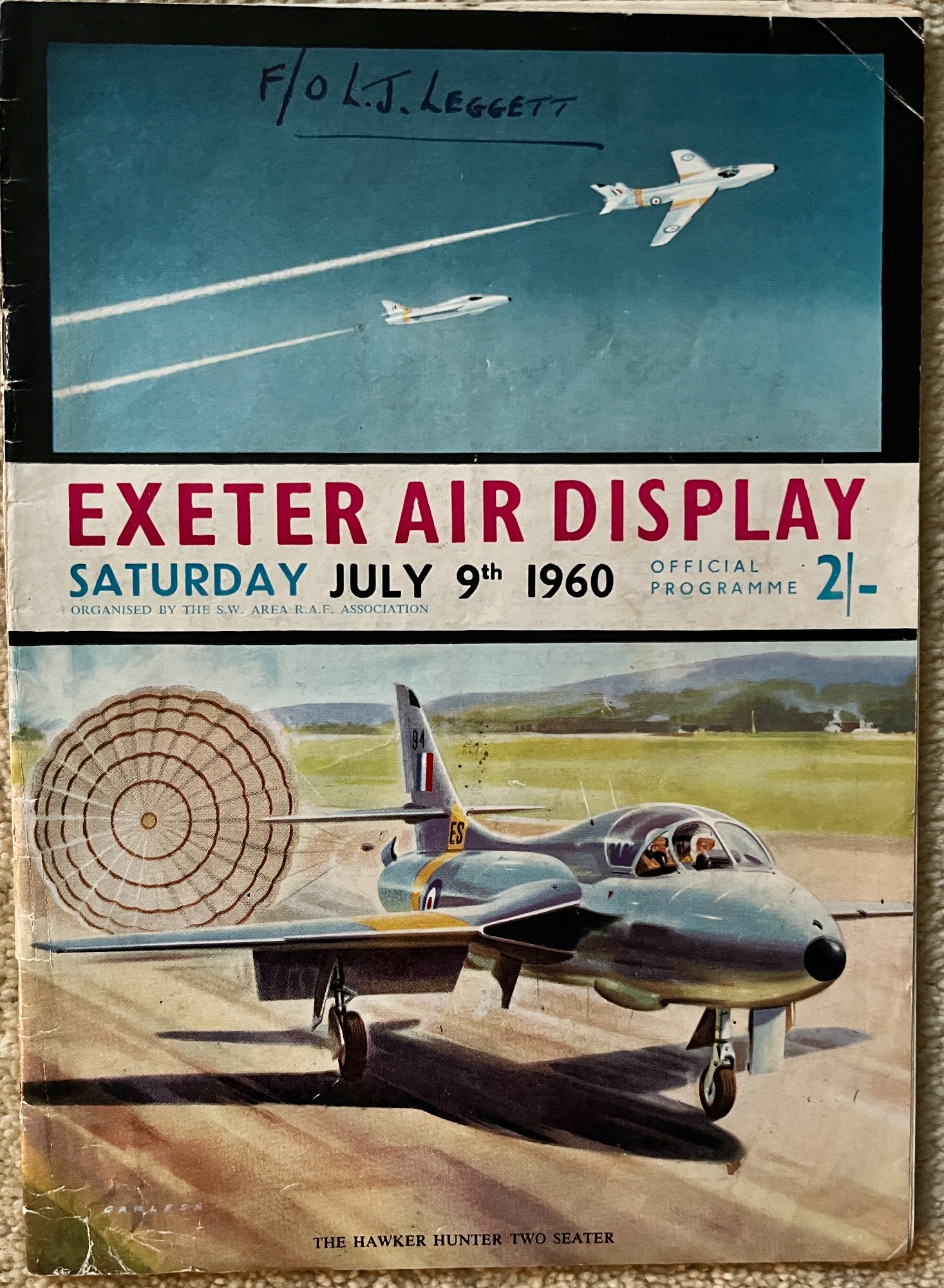
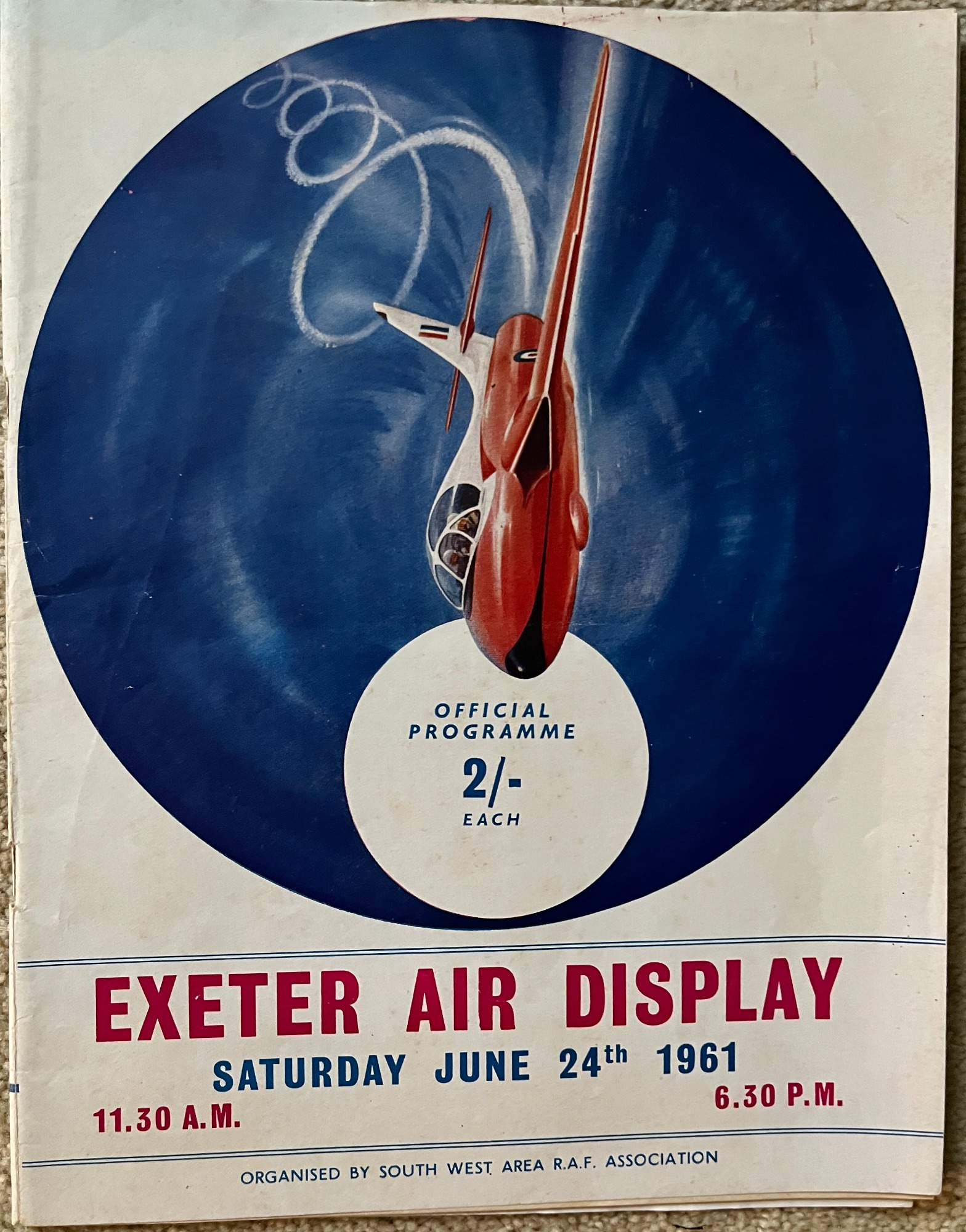
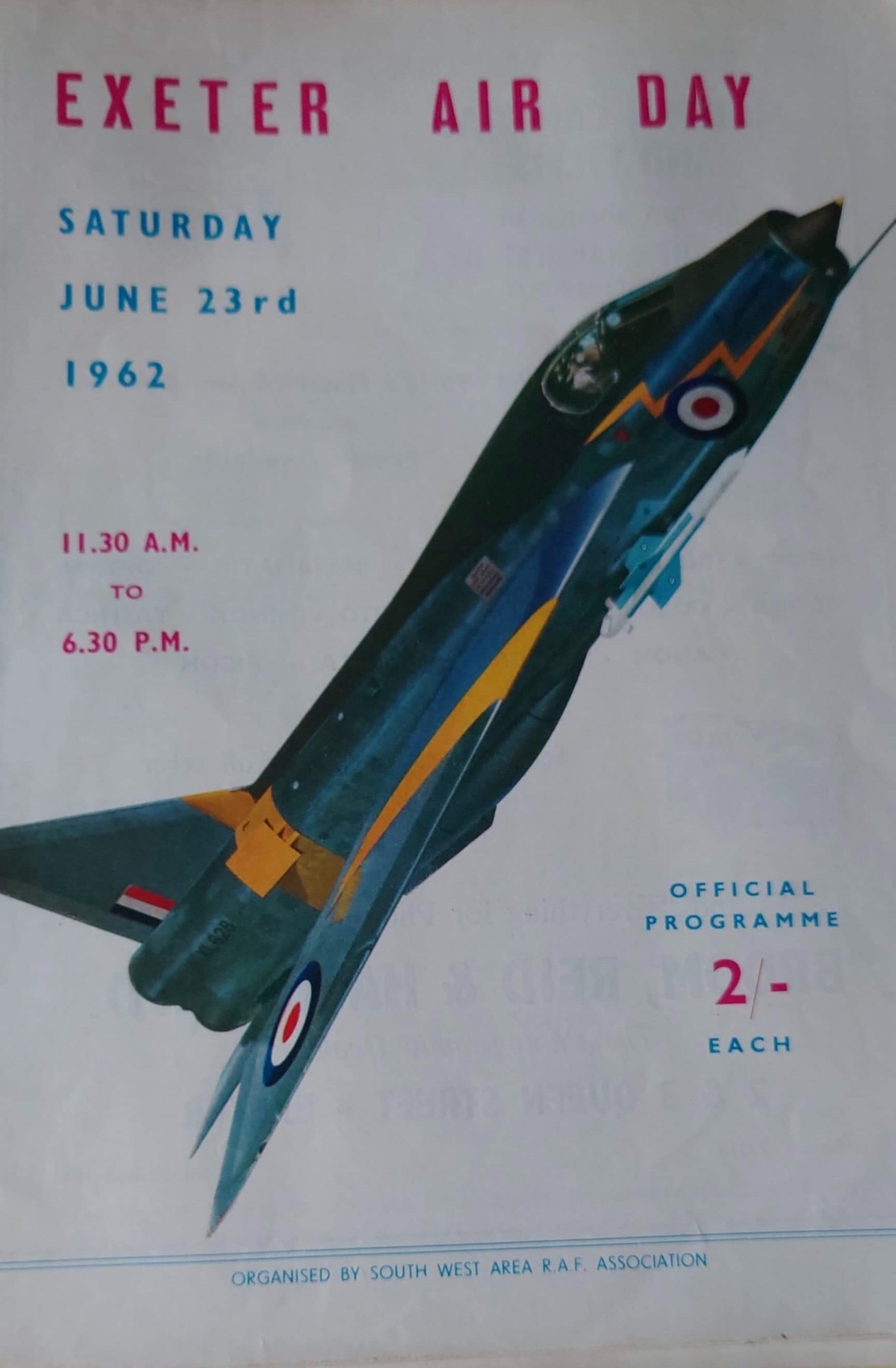
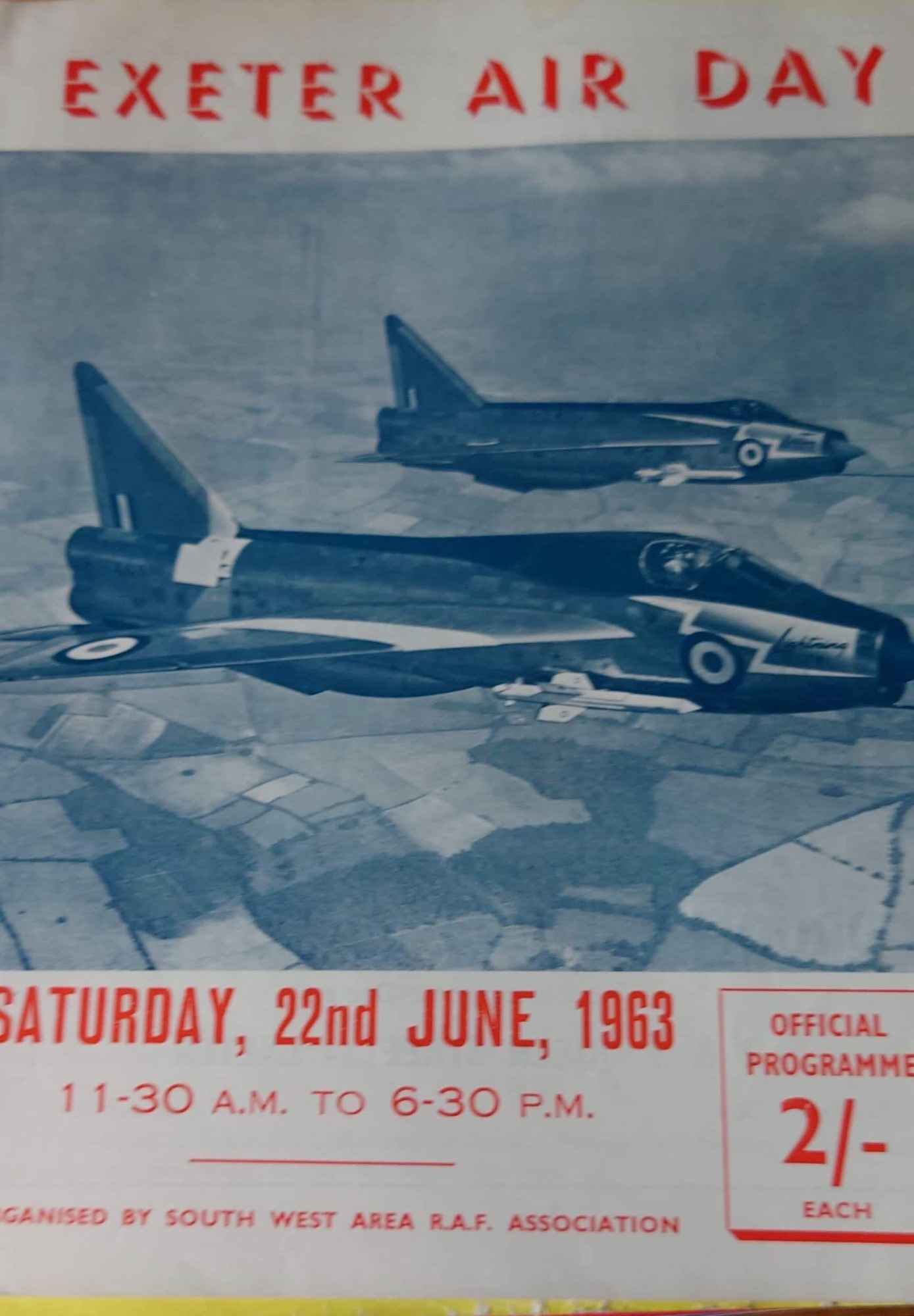
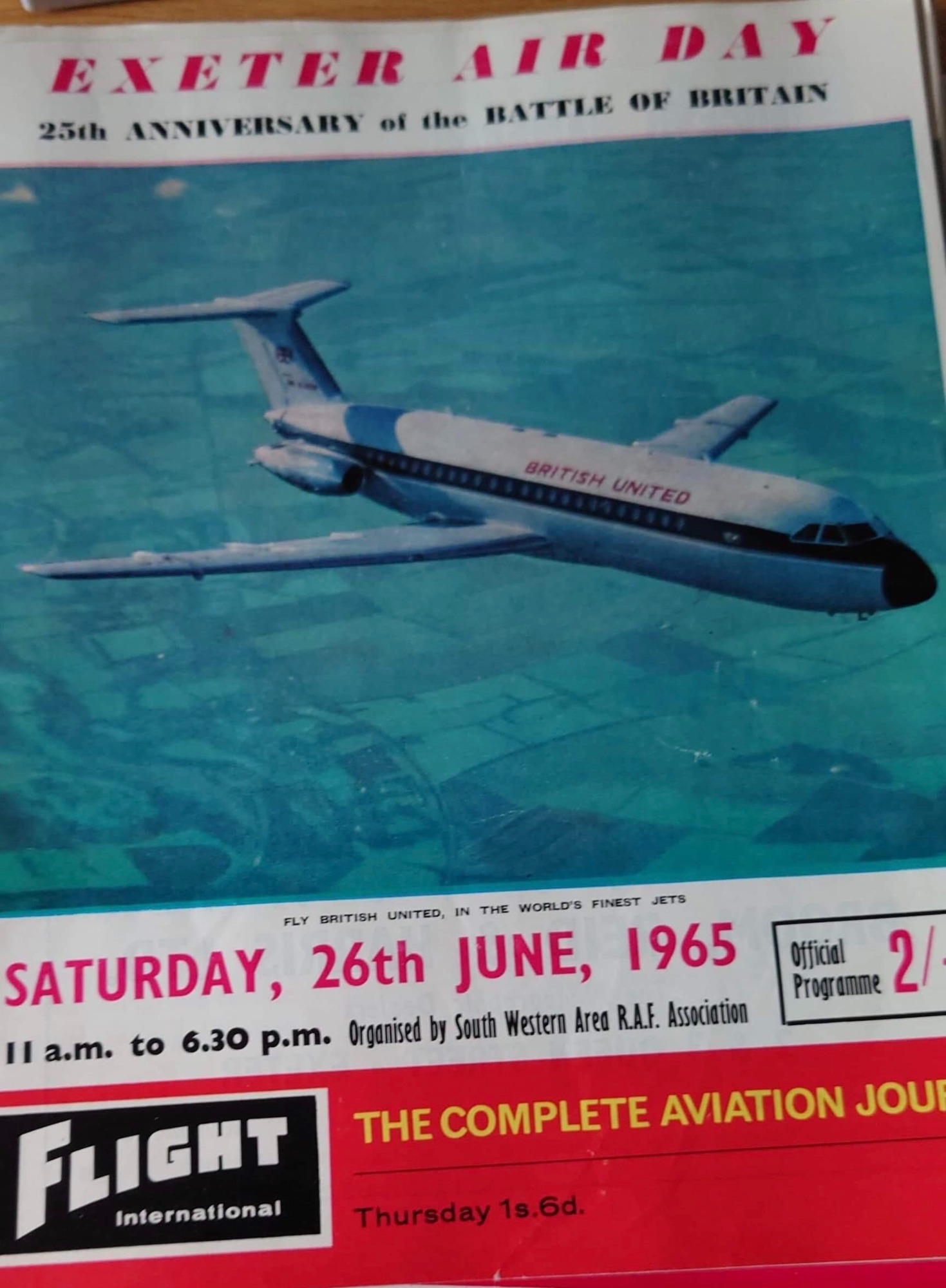
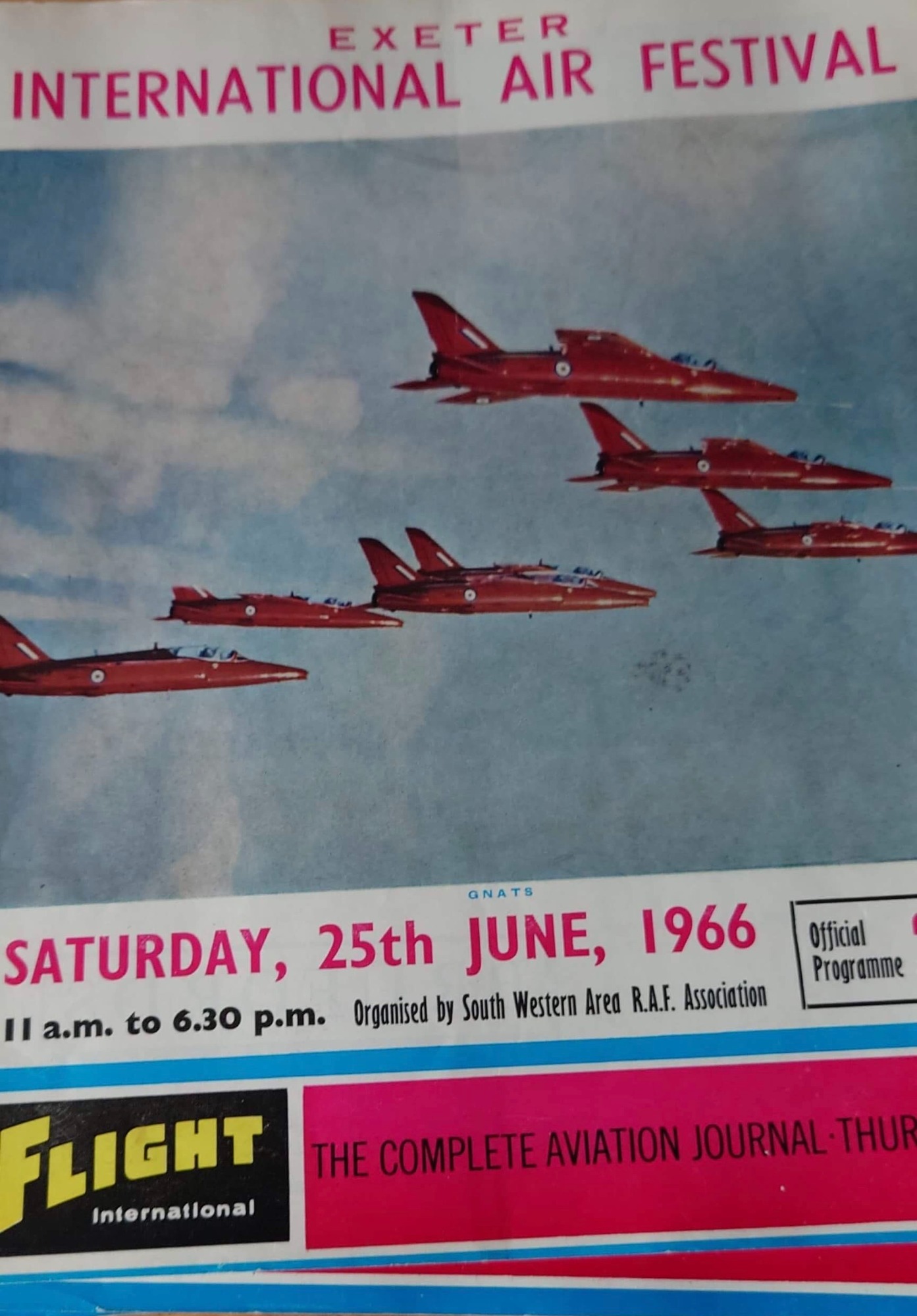
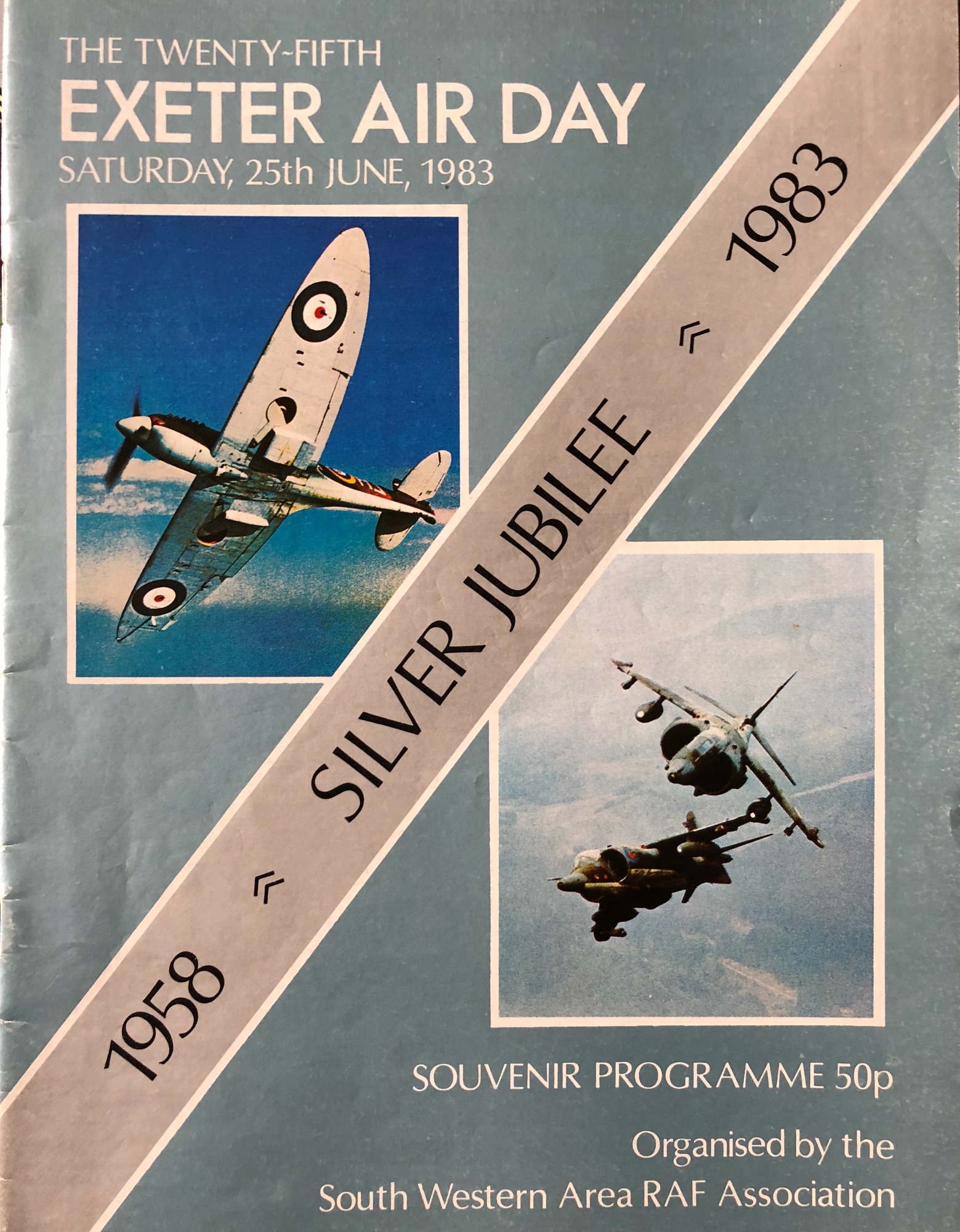
When Exeter Airport held an annual Air Day the South West Area of the RAFA for many years were the main organisers. The first year on record was Exeter Air Day on Saturday 28 June 1958, as noted in the flying programme. The Public Relations Adviser to RAFA was Mr Cyril Banks with the Area Secretary of RAFA being C N Brierley at the Exeter office in St David’s Hill.
It is interesting to note that the Display President that year was nonother than the Aeronautical Engineer, Air Commodore Sir Frank Whittle, K.B.E., C.B., R.A.F (Retired) F.R.S., the British inventor of the turbojet engine.
The last year on record organised by RAFA was Saturday 25 June 1983 – the Silver Jubilee Air Day. The Branch Secretary at the time was G.W. Dolling of Countess Wear. After a short break private organisations stepped in to run the Air Display until 1989.
I am a proud member of RAFA and I certainly value the ongoing work provided by them and what they did to provide and support the annual airshow at Exeter.
Exeter Air Days
Featured Aircraft Over The Years:
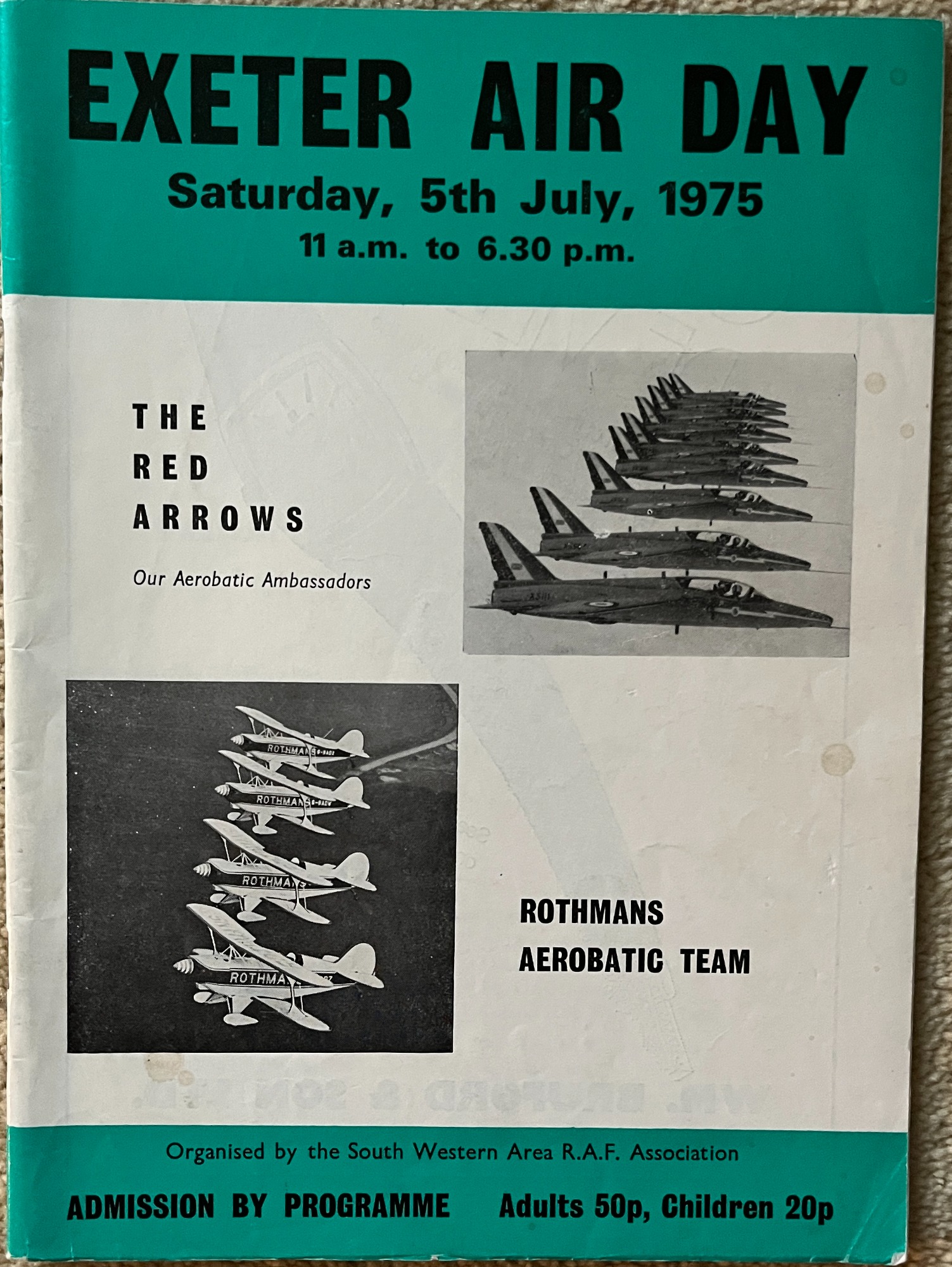
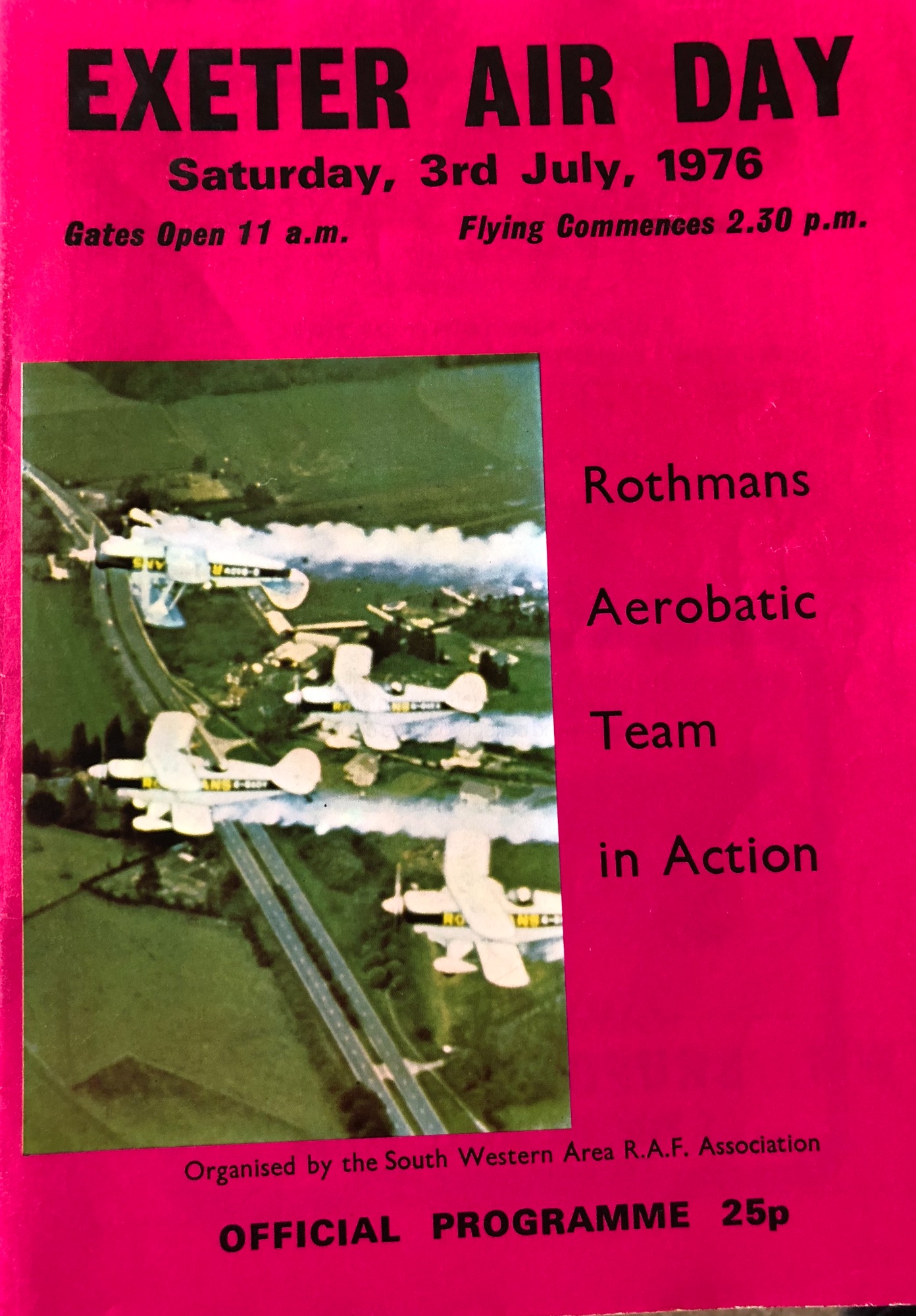
1. Rothmans Aerobatic Team
2. RAF Poachers Jet Provost Display Team
3. RAF Swords Jet Provost Display Team
4. RAF Sparrows Jet Provost T1s Display Team
5. RAF Falcons parachute Display Team
6. McDonnell Douglas Phantom
7. Avro Lancaster
8. Hawker Hurricane
9. Sea King
10. Spitfire MK 2
11. Hawker Sea Fury
12. Bulldogs
13. HS Nimrod
14. Vintage Pair (Meteor & Vampire)
15. Fairey Firefly
16. Vickers VC10
17. Avro Vulcan
18. Fairey Swordfish
19. English Electric Lightning
20. Sepecat Jaguar
21. Harvard
22. Monty’s Messenger
23. Aztecs of Baylee Air Charter
24. Buccaneer
25. Wessex Helicopter HC-2
26. OV-10A Bronco
27. Fournier R.F.5
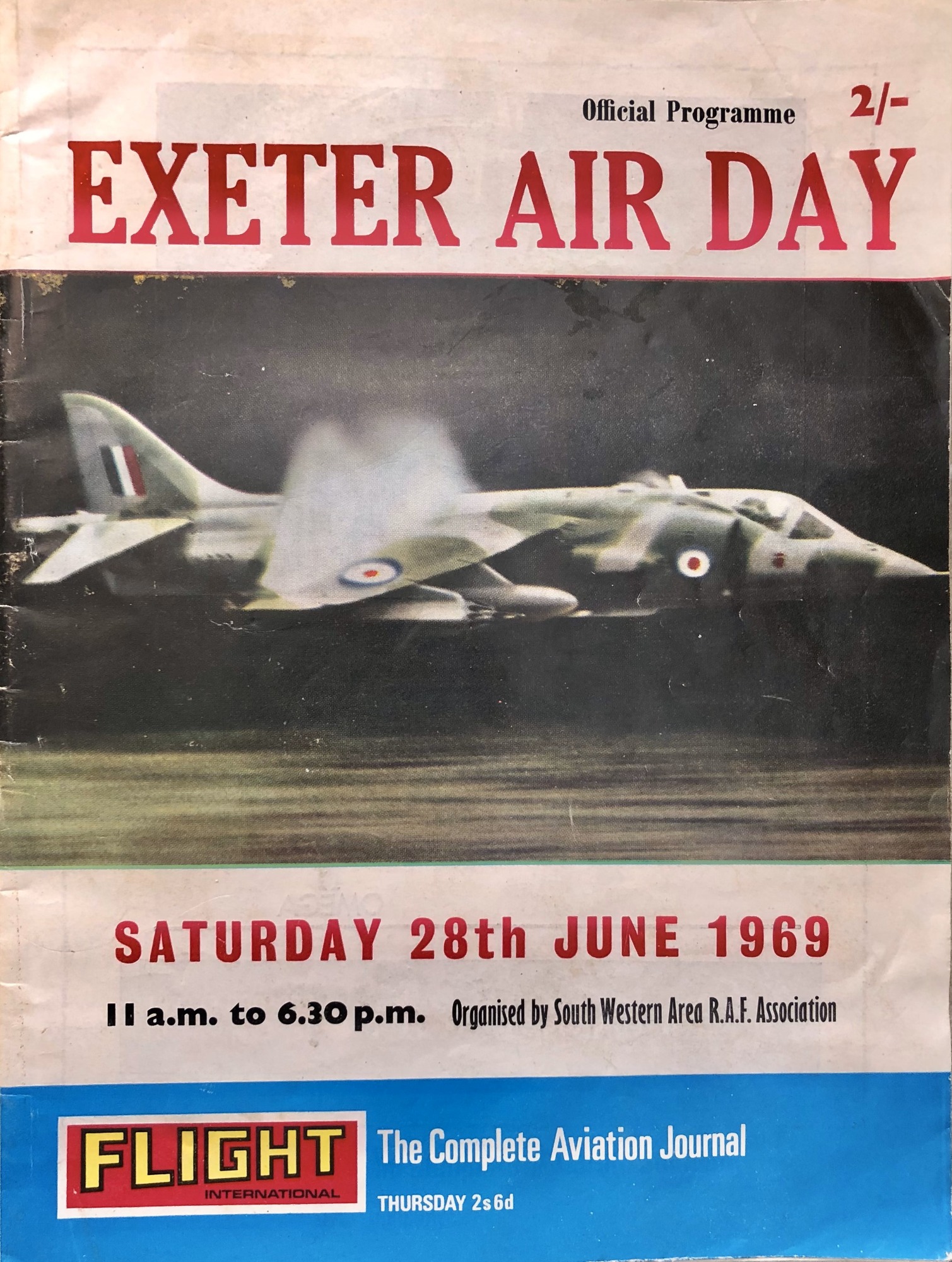
28. Harrier
29. Autogyro
30. Kramme Zeuthen 8
31. Red Devils Freefall Parachute Team
32. Puma
33. Exeter Flying Club
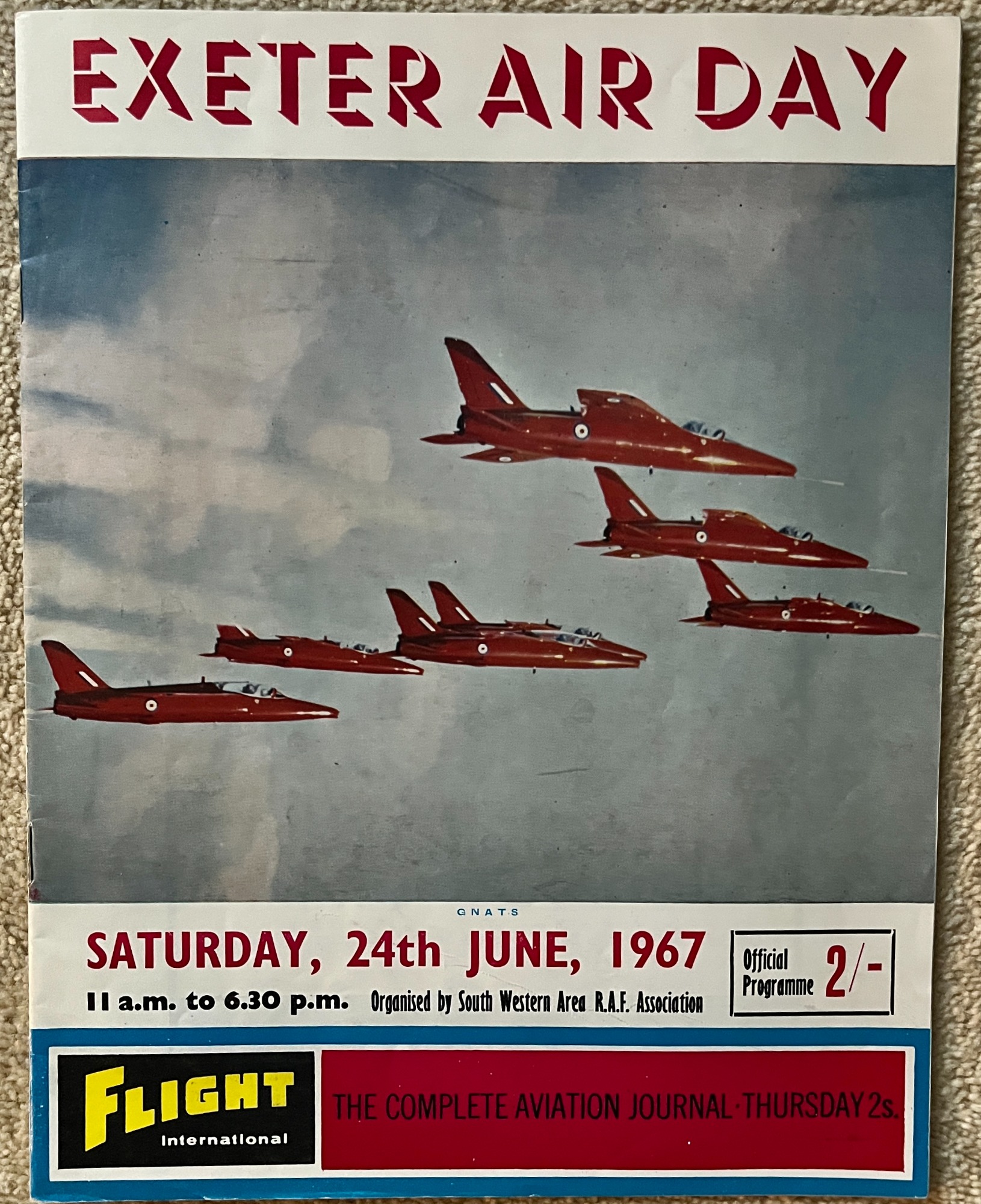
34. Folland Gnat & RAF Red Arrows
35. Stampe Solo
36. Moonrakers Free Fall Team
37. Dunkeswell Aero Club
38. (Super) Pitts Special
39. Rockwell Commander 114
40. CH53 Helicopter
41. A10 Thunderbolt
42. Harvest Air - Anti-Pollution DC3 Dakota
43. Westland Whirlwind
44. Sea Harrier
45. Air Kilroe
46. Westland Lynx
47. Bell IU-1H Iroquois Helicopter
48. Jubilee Duo
49. Marlboro Aerobatic Team
50. Consolidated PBY 5A Catalina
51. Hawker Siddeley HS 780 Andover
52. Robertson’s (Golly) Balloon
53. SAH 1
54. Tiger Club Turbulent Formation Team
55. Blackburn Beverley
56. Miles Duo
57. Percival Provost
58. Fairey Gannet
59. Hawker Hunter
60. Supermarine Scimitar
61. Handley Page Herald
62. Quicke Q2
63. Pilatus P2
64. Tiger Moth
65. Trailblazers 8-man Freefall Team
66. Fighter Aerobatics No. 54 Squadron
67. de Havilland Venom
68. Zlin 50L
69. Comper Swift
70. Canberra
71. De Havilland Chipmunk
72. Monospar ‘Ambulance’
73. Air Atlantique – DC3 Dakota
74. Toyota Pitts Special
75. Vega Gull
76. U.S.A.F. KB-29 and KB-50 Refuelling Demonstration
77. Focke Wulf FW190
78. Cranfield A1 Eagle
79. Boeing Stearman
80. Aérospatiale AS 350 Ecureuil Helicopter
81. Westland Widgeon helicopter
82. Miles Whitney Straight
83. Vickers Valiant
84. Stinson Reliant
85. B. A. Swallow
86. Aeronca-JAP
87. Kronfeld Drone Deluxe
88. Wicko
89. Tipsy
90. Bristol Beaufighter
91. Pacespirit
92. de Havilland DH.103 Hornet
93. Supermarine Spitfire XXI
94. Supermarine Attacker
95. Panavia Tornado GR-1
96. Short Sunderland Flying Boat
97. Luton Minor
98. Supermarine Southampton Flying Boat
99. Bae Hawk T Mk1 & RAF Red Arrows
100. De Havilland Mosquito