307 Polish Squadron
Lwów Eagle Owls of RAF Exeter
On 26 April 1941, 307 Polish Squadron arrived at RAF Exeter, Clyst Honiton, completing their relocation before midnight in strict accordance with orders. Tasked with defending much of the South West of England, the squadron quickly became a vital part of the region’s night-time aerial shield. Named after the Polish city of Lwów, they earned the nickname “Eagle Owls” in tribute to their role as a dedicated night fighter unit.
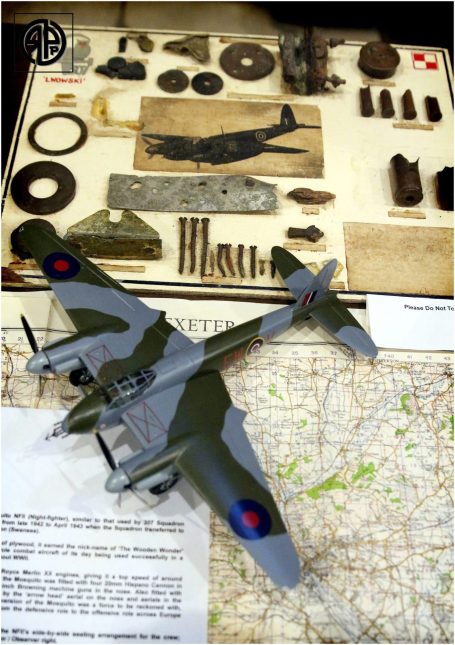
Formed officially in Blackpool on 24 August 1940, 307 Squadron assembled at RAF Kirton-in-Lindsey on 5 September that year. Initially flying Boulton Paul Defiant aircraft—distinctive for their rear-facing gun turrets—the squadron transitioned to Bristol Beaufighters in August 1941, and later to de Havilland Mosquitoes in late 1942, reflecting the evolving demands of nocturnal air combat.
Between April 1941 and April 1943, RAF Exeter served as their operational base. During this period, the squadron played a crucial role in defending the South West from enemy night bombers. One of their most defining moments came in May 1942, during the Exeter Blitz—part of the infamous Baedeker raids—when approximately 40 Junkers Ju 88 bombers targeted the city. With only four fully operational Beaufighters available, the Polish airmen faced overwhelming odds. Yet, in a remarkable display of courage and skill, they succeeded in shooting down four enemy aircraft before bombs could be released over Exeter.
The bond between the squadron and the local community grew deep. Many Exeter residents welcomed the young Polish airmen into their homes, offering warmth and hospitality in gratitude for their service. That connection endured beyond the war—some pilots chose to remain in the city, having married English women and found a second home among those who had embraced them.
In 1943, the squadron relocated to RAF Predannack in Cornwall, where they operated as a night intruder unit, targeting enemy airfields in occupied France. Their role shifted again in January 1945 to bomber support, intercepting German night fighters. The departure from Exeter was bittersweet; for many, it felt like leaving family behind. The loss was especially poignant knowing that 21 of their comrades who had fallen during their time at RAF Exeter were laid to rest in the city’s Higher Cemetery.
Over the course of the war, 56 members of 307 Squadron made the ultimate sacrifice. Their legacy remains etched in the skies they once defended and in the hearts of those who remember them.
The squadron was officially disbanded on 2 January 1947, following the end of World War II.
For a much more in-depth account of the 307 Squadron a brilliant book has been written by Exeter resident Michael Parrot. The book is called Exeter’s Guardian Angels (The story of the Polish 307 Squadron in Exeter). Michael runs various history events at the Exeter Higher Cemetery where Polish and other airmen are buried at the Commonwealth War Graves Commission site within the cemetery. Michael is also responsible for working with Exeter City Council and making arrangements for the annual 307 Day in Exeter on the 15 November at the Exeter Guildhall and Cathedral.
307 Squadron Gallery
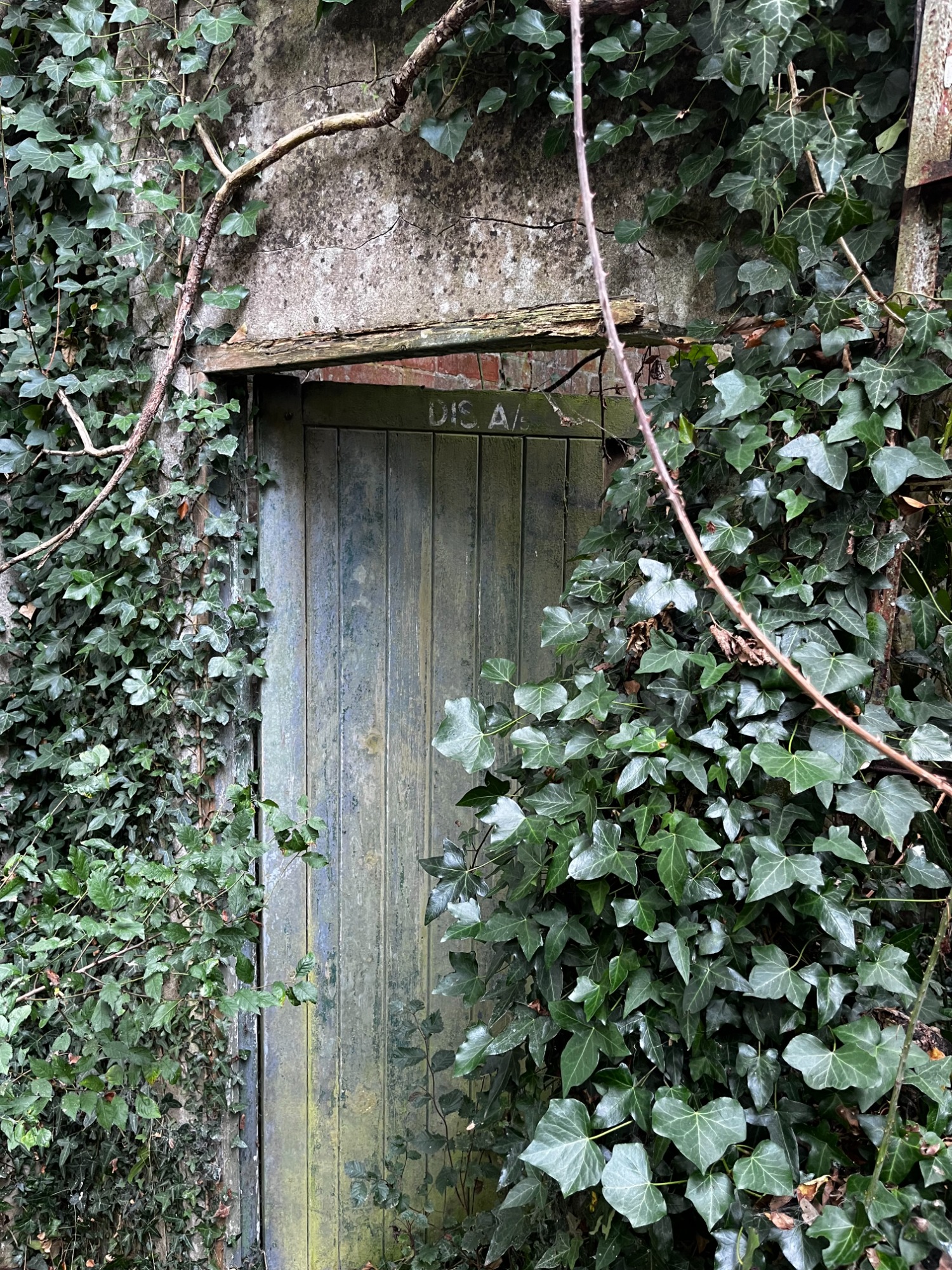
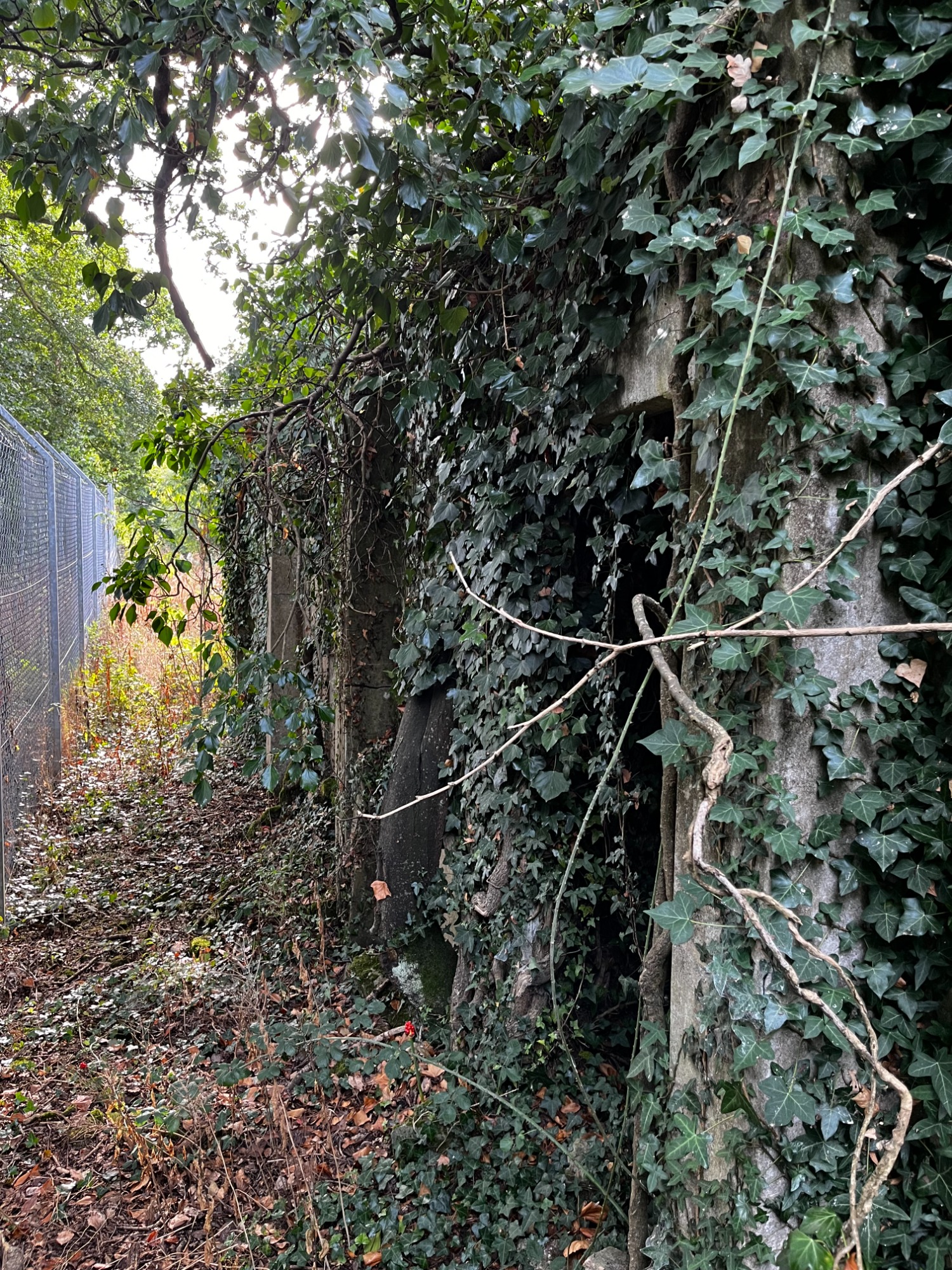
This is a photo of the 307 Suadron 'A Flight' dispersal building which still exists today underneath the overgrowth. You can still see 'DIS A' on the door. This type of building would typically accomodate 12 persons and is situated on the northern side of the airfield within on the eastern side of the perimeter track loop.
307 Squadron Commemoration – Honouring the Eagle Owls in Exeter
On 15 November 1942, a solemn and symbolic service was held at Exeter Cathedral. Members of 307 Polish Squadron stood proudly outside the West Front, bearing the Polish Air Force Standard that had been formally presented to them at the airport. This moment of unity and remembrance marked the beginning of a tradition that continues to this day.
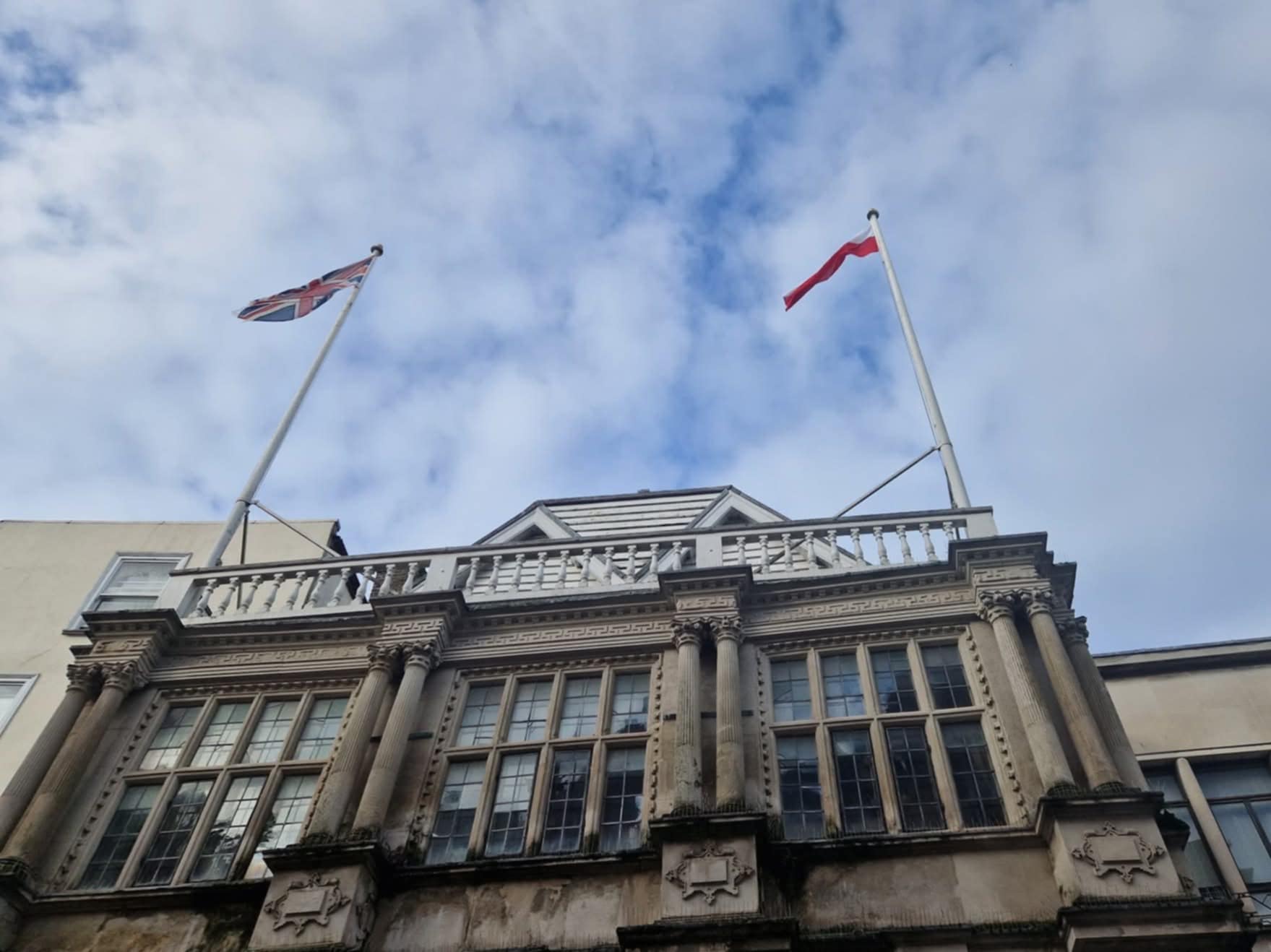
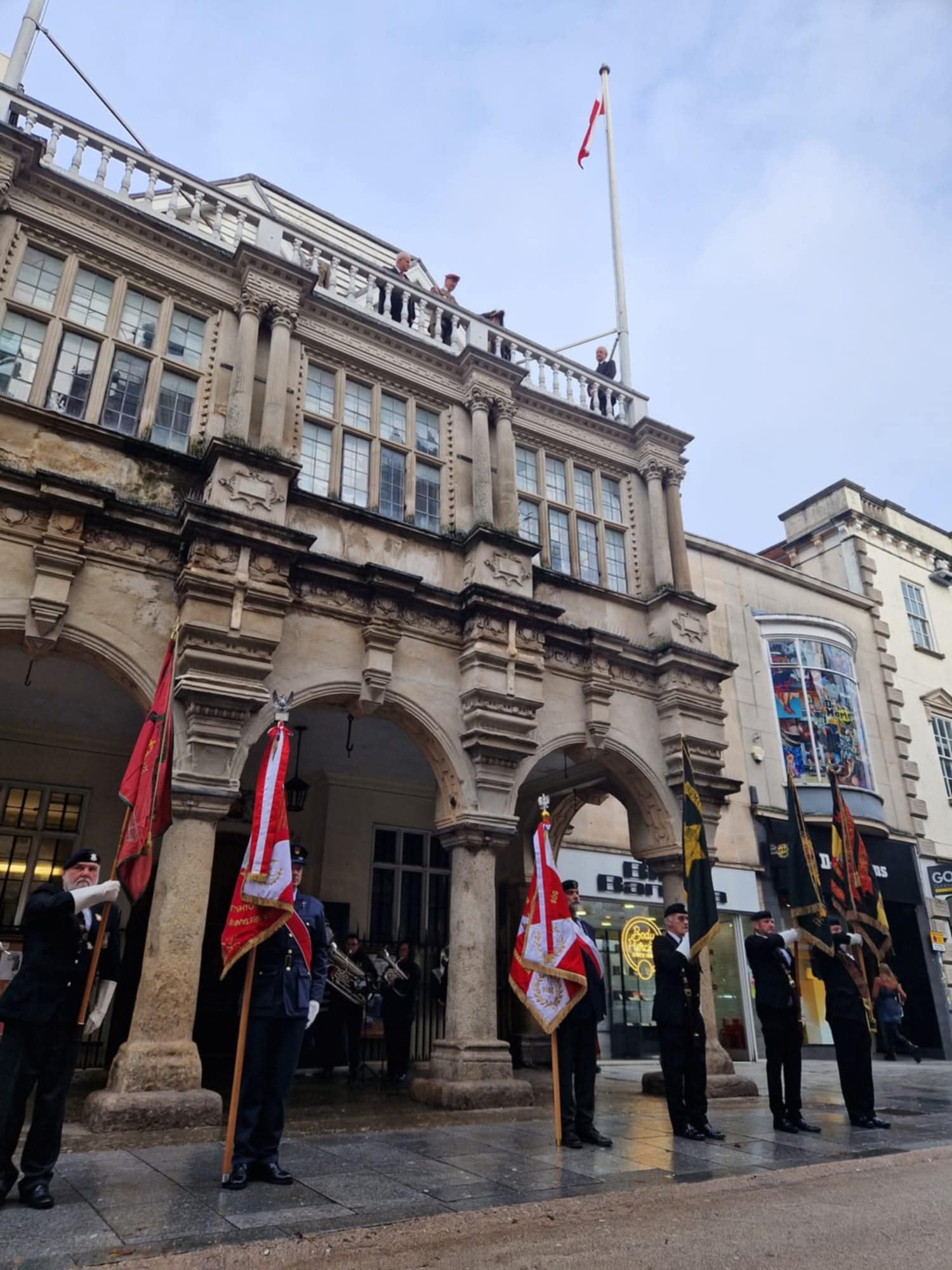
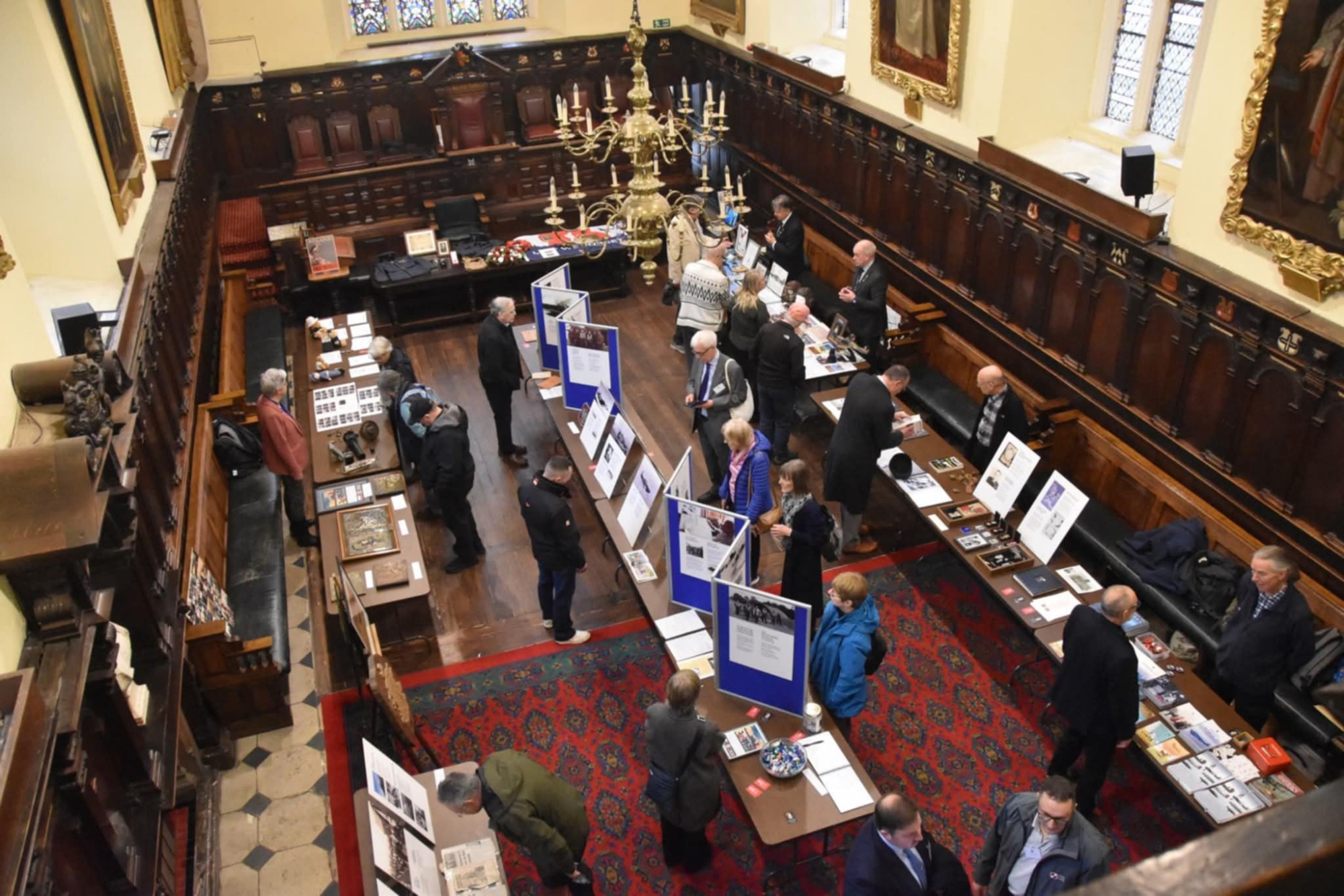
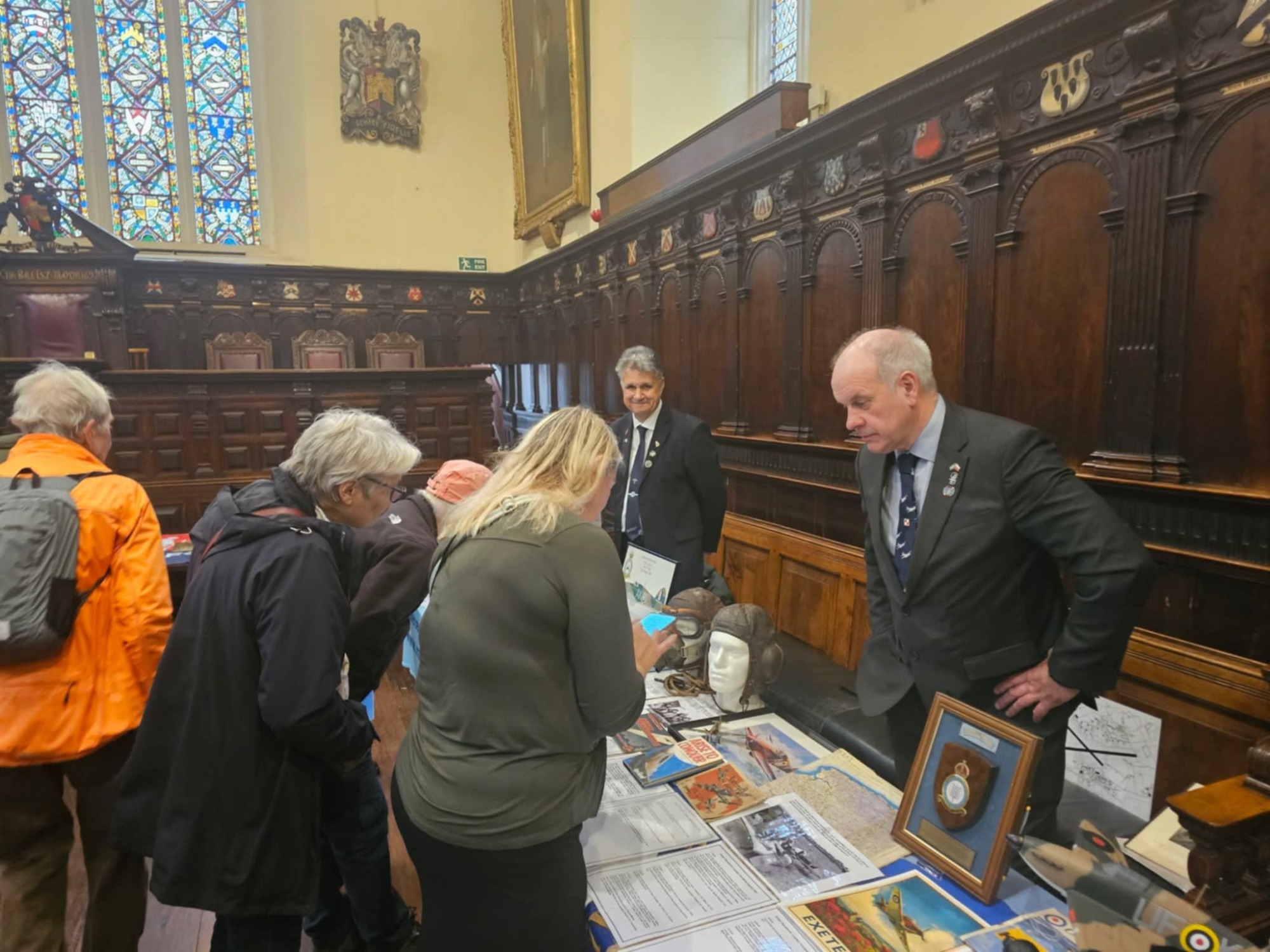
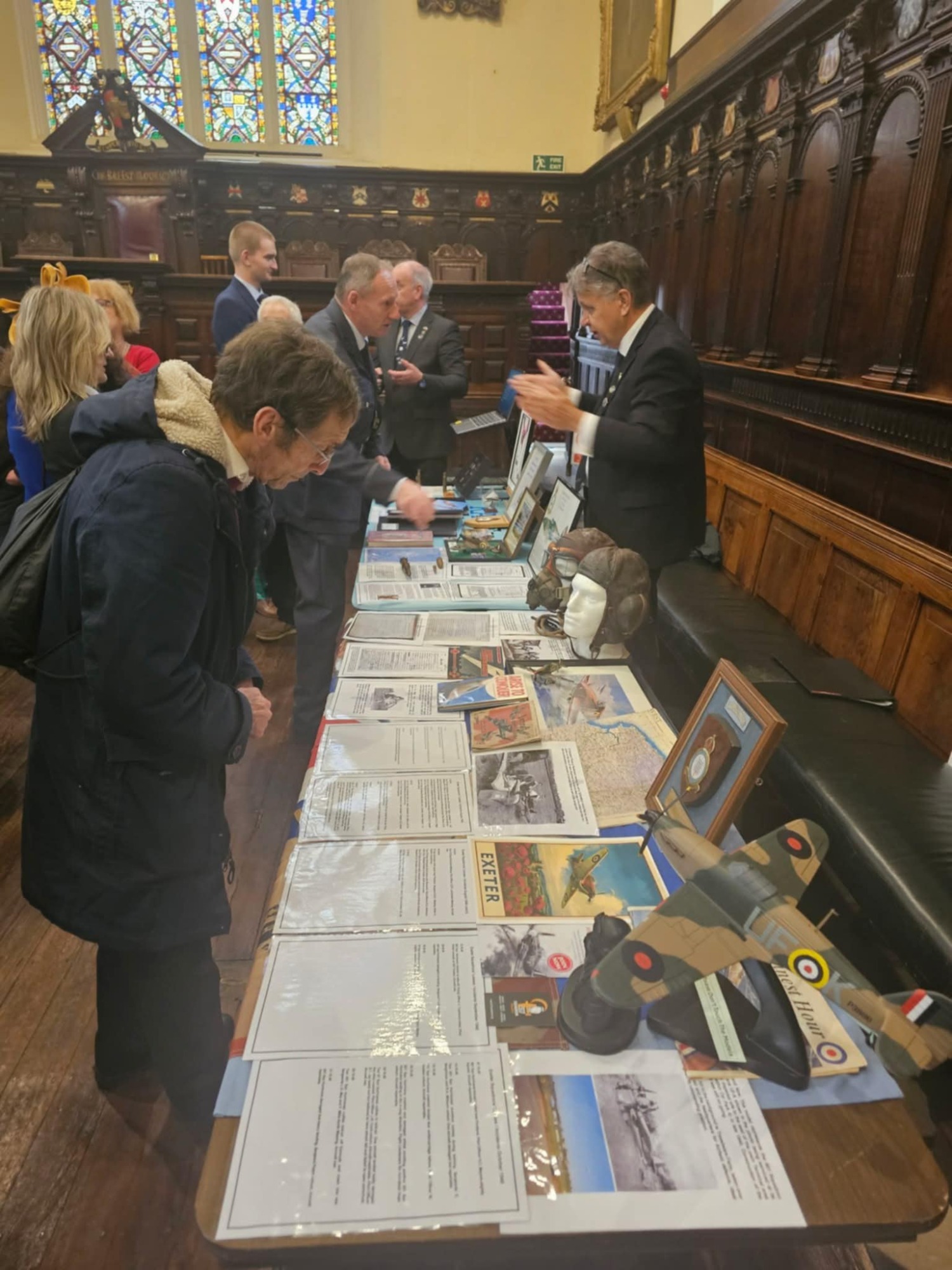
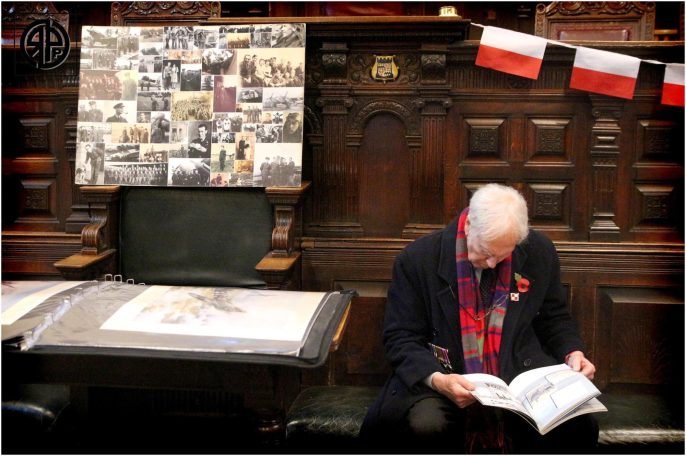
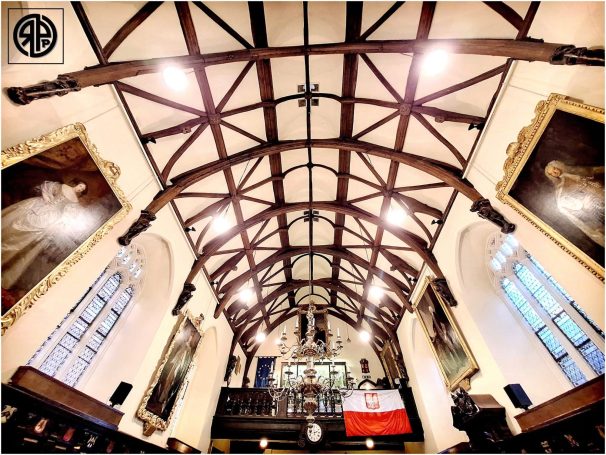
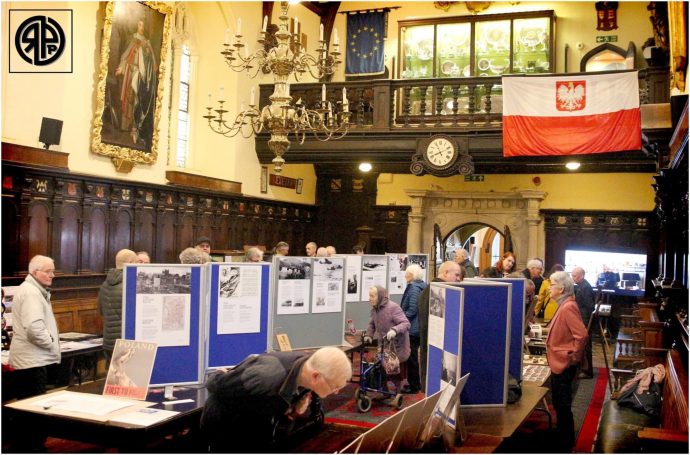
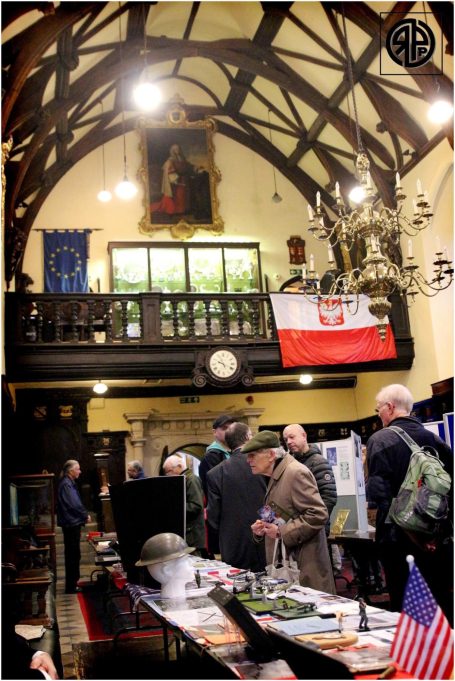
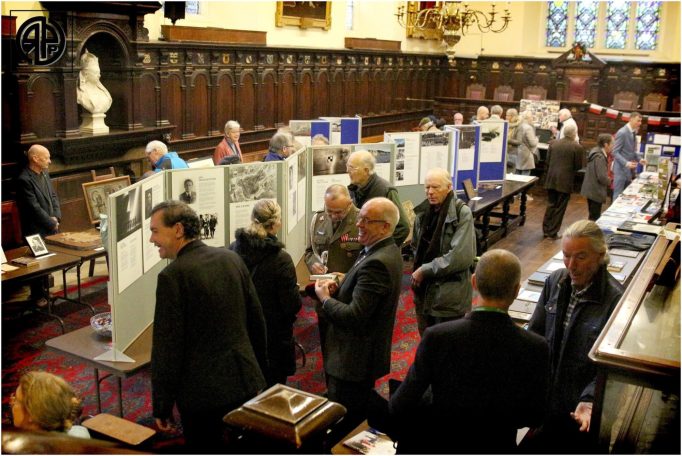
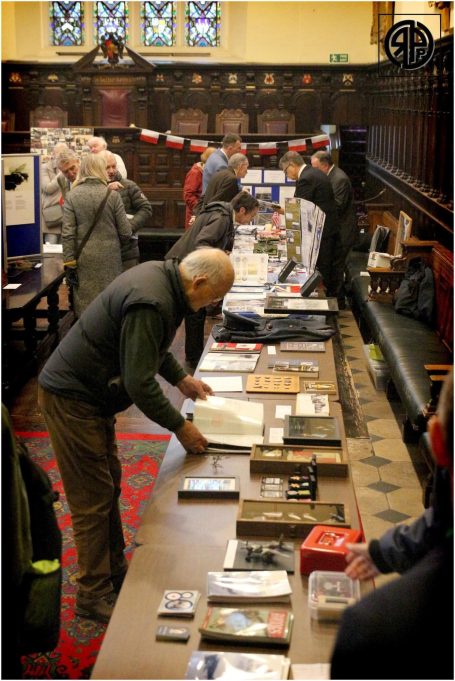
Each year on 15 November, the City of Exeter honours this legacy. As a gesture of enduring respect, Exeter City Council raises the Polish flag above the Historic Guildhall. The annual commemoration draws dignitaries from Poland, including veterans of the squadron, and features a special exhibition within the Guildhall that pays tribute to the Eagle Owls and their wartime service.
The significance of this remembrance is deepened by the events of 4 May 1942. In the early hours of that morning, Exeter endured a devastating bombing raid—part of the Baedeker Blitz—that destroyed much of the city’s historic heart. Exeter Cathedral itself was struck directly, and St James’s Chapel was reduced to rubble.
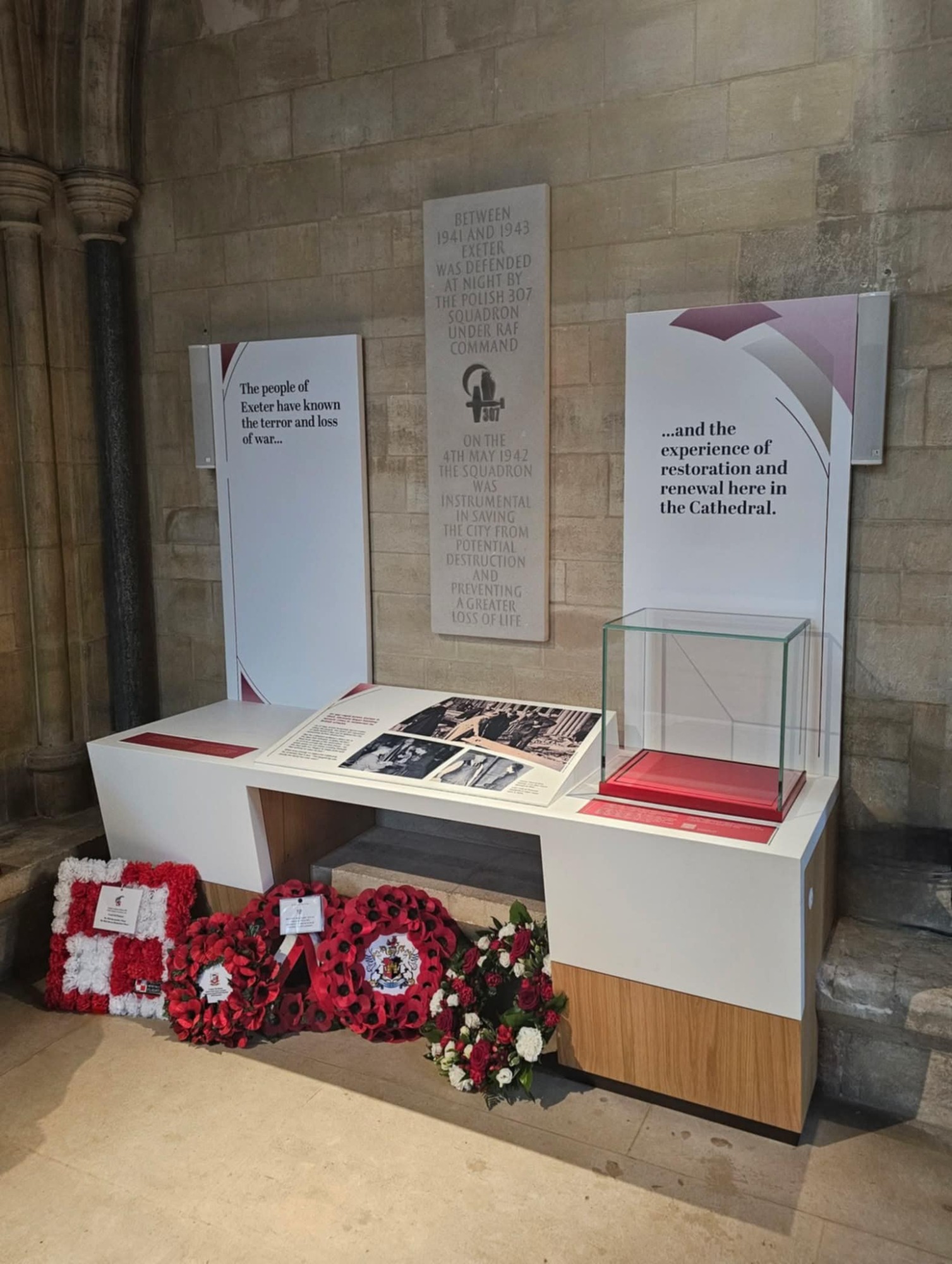
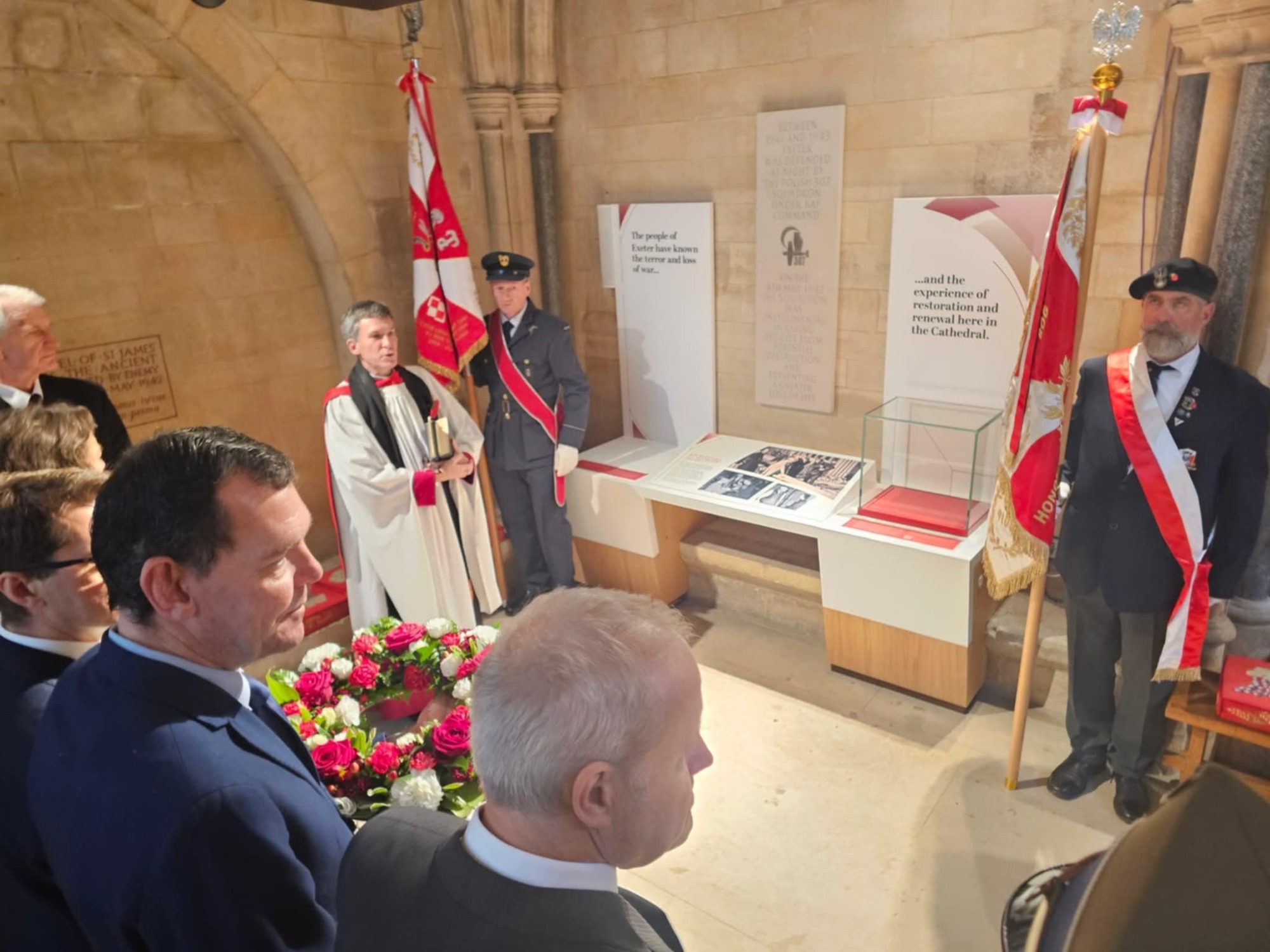
It is profoundly fitting, then, that the 307 Squadron Memorial Plaque now resides within the restored St James’s Chapel. Each year, on the afternoon of 307 Day, a wreath is placed beneath the plaque in quiet tribute to the squadron’s courage, sacrifice, and enduring bond with the city they helped defend.
307 Polish Squadron
Lwów Eagle Owls of RAF Exeter
307 Squadron Day 14/15 November 2025
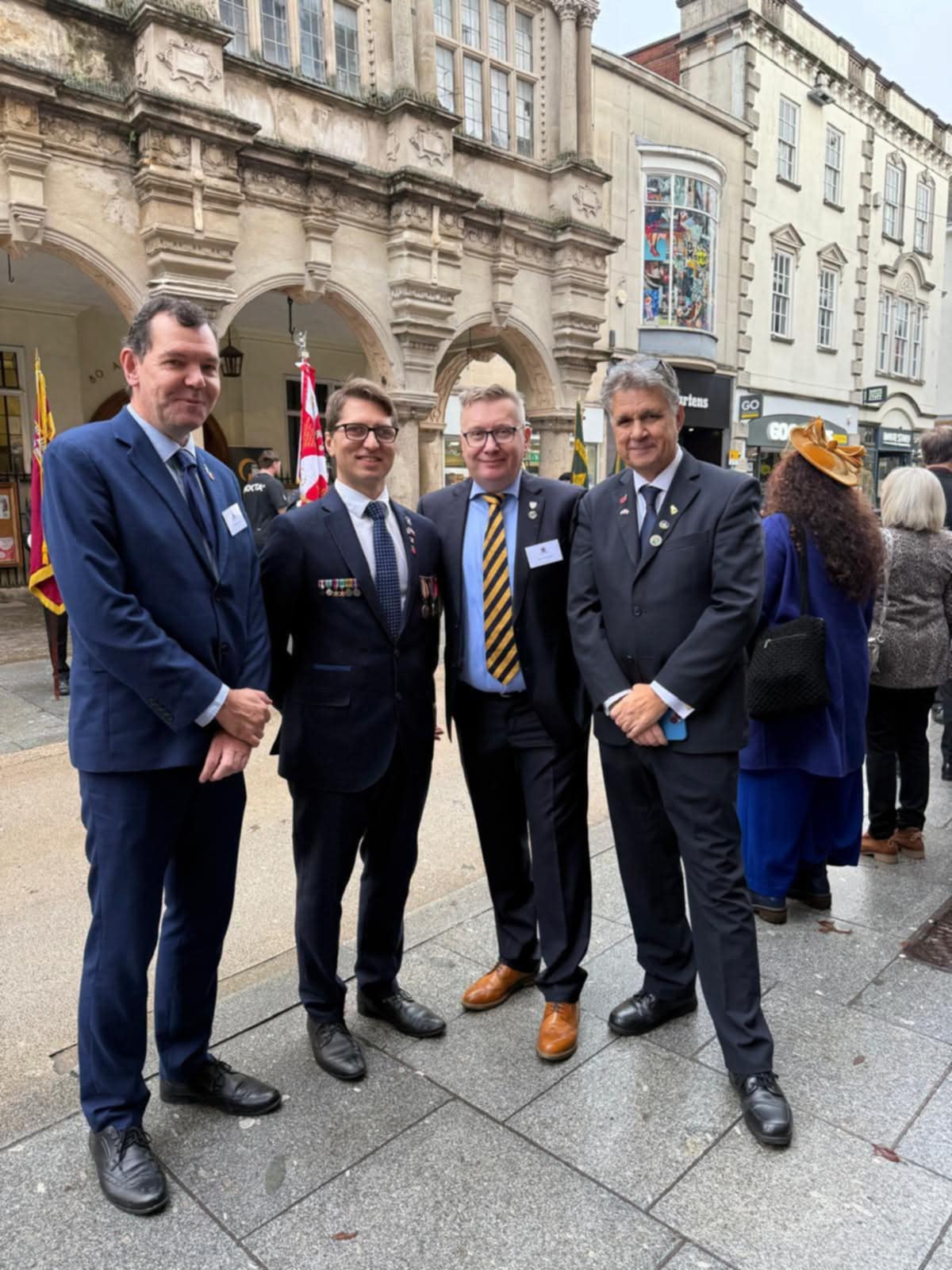
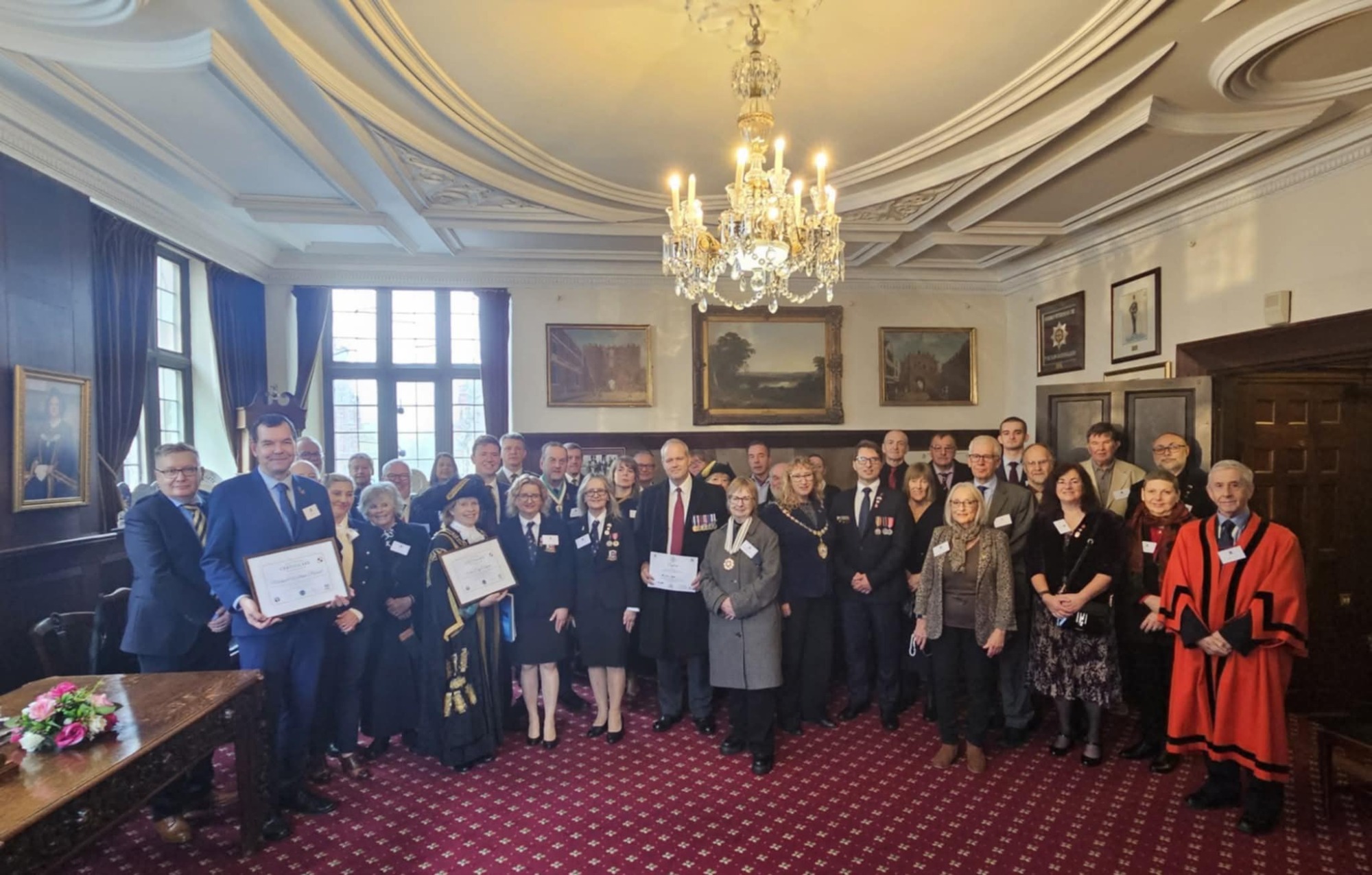
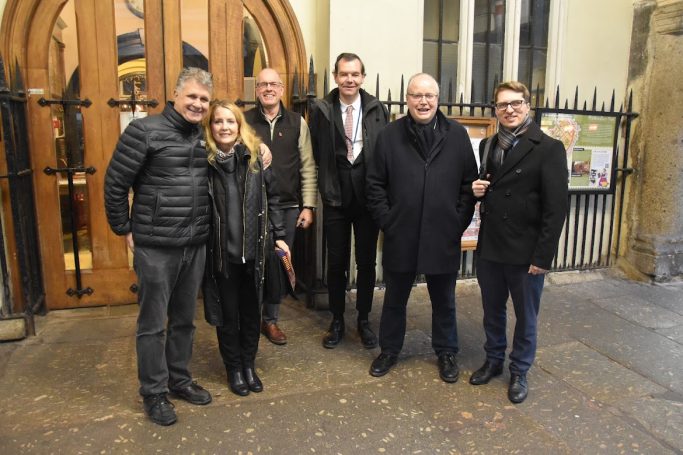
307 Squadron Day The Polish flag was raised over the city of Exeter on 15 November 2025 in memory of the Polish 307 NightfighterSquadron which defended the city from enemy bombers for two years from April 1941.The flag raising ceremony, which took place at Exeter Guildhall witnessed by a large number of the public on the city's High Street on a cloudy Saturday morning, was attended by a number of British and Polish VIPs including: The Lord Mayor of Exeter Councillor Anne Jobson, Deputy Lord Lieutenant of Devon Dr. Peta Foxall CBE DL (representing King Charles III), Bjnda Arjoon (Chief Executive of Exeter City Council), Councillor Phil Bialyk (Leader of Exeter City Council), Dr. Simon Selby (Honorary Consul of the Embassy of the Republic of Poland), Colonel RafałNowak (Polish Defence Attache) and Warrant Officer Krzystof Stolarczyk.
The flag raising took place exactly 83 years to the day that 307 Squadron presented the city of Exeter with the Polish national flag to represent the international friendship and cooperation that was formed during the war between the squadron and the city. Since 2012 the Polish flag has been raised over Exeter Guildhall every 15th November in memory of 307 Squadron. A large number of relatives of 307 Squadron members attended the flag raising and were treated to a reception by the Lord Mayor of Exeter. Also in attendance were a number of Polish organisations from across Great Britain, plus aviation historian Robert Gretzyngier who flew from Warsaw for the event.
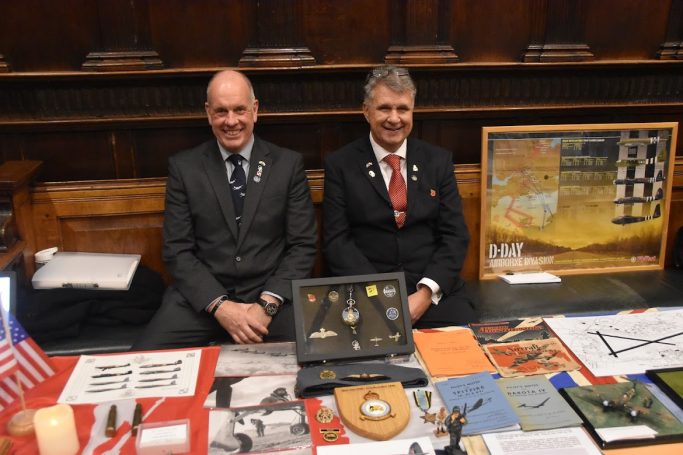
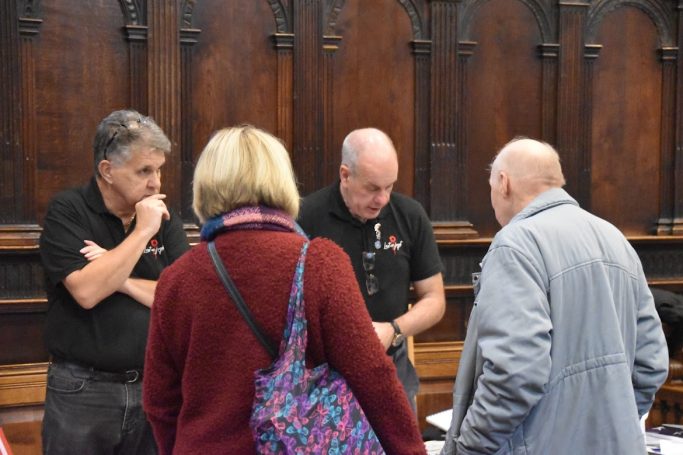
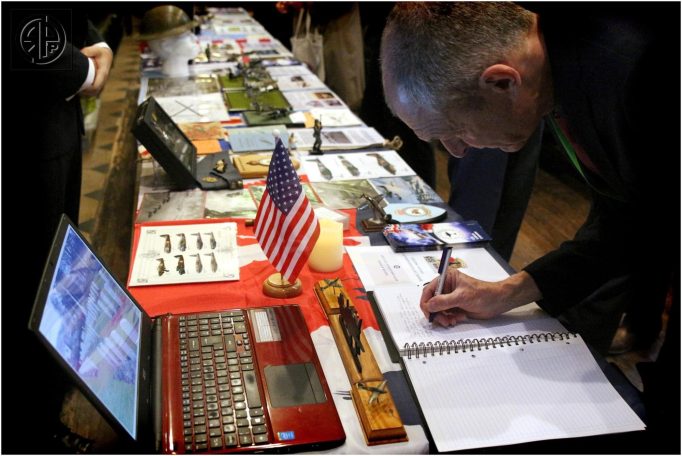
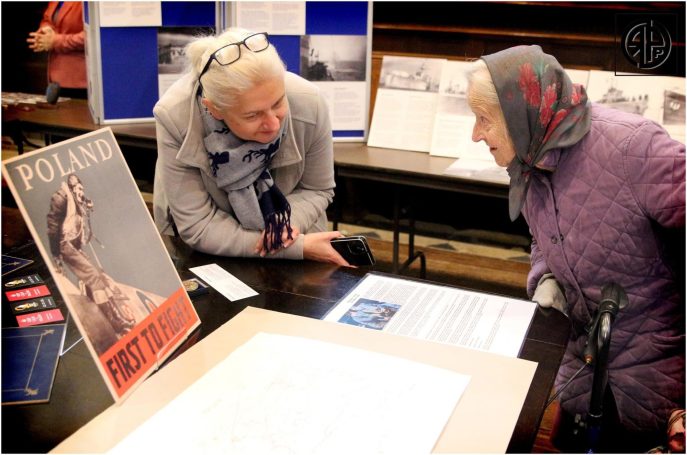
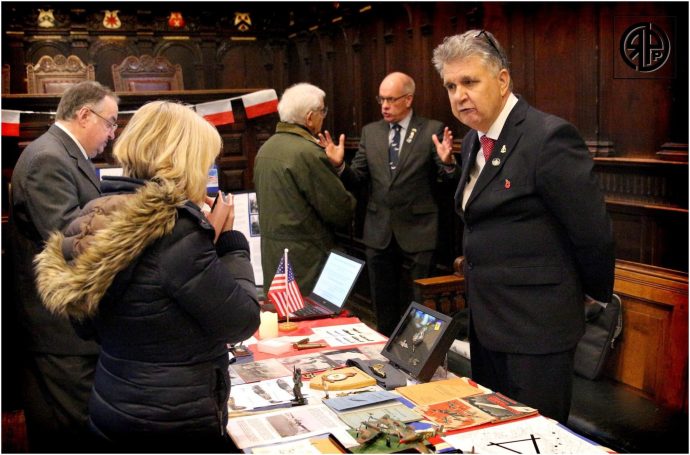
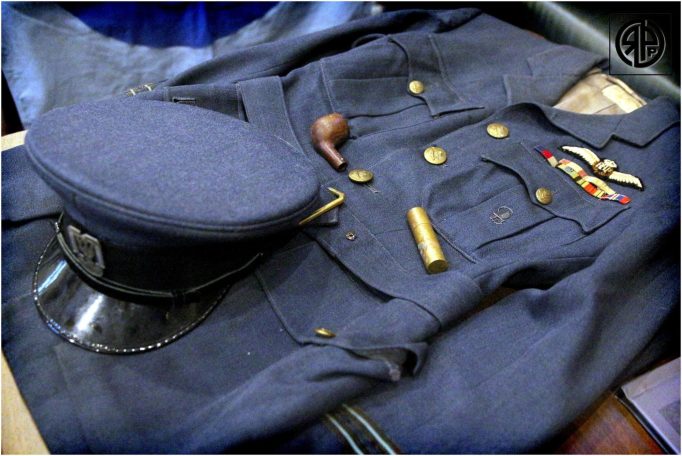
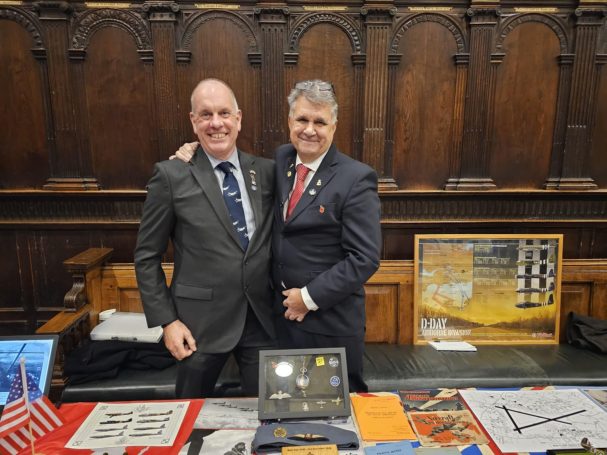
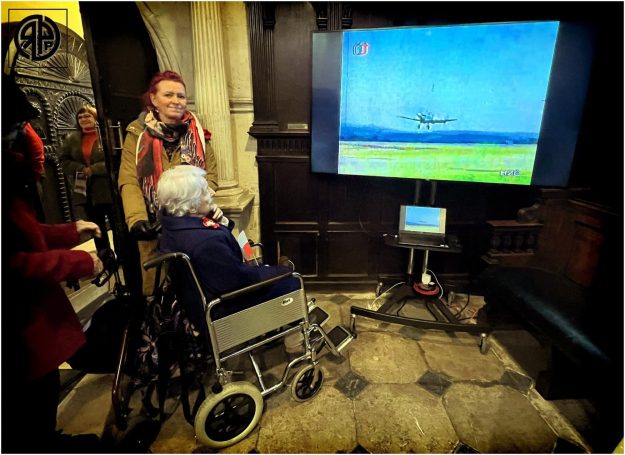
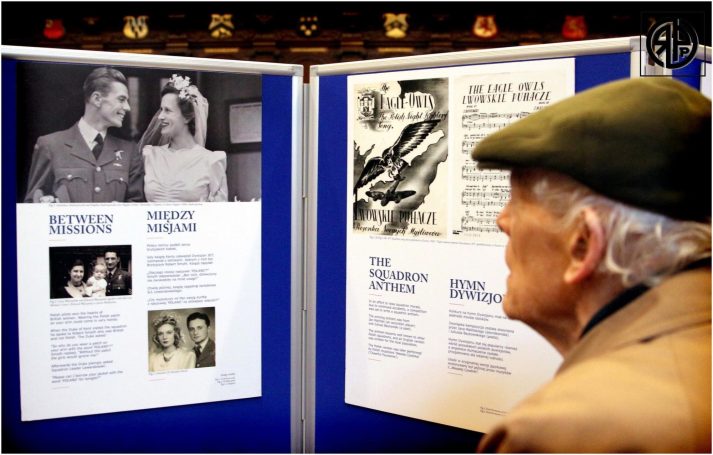
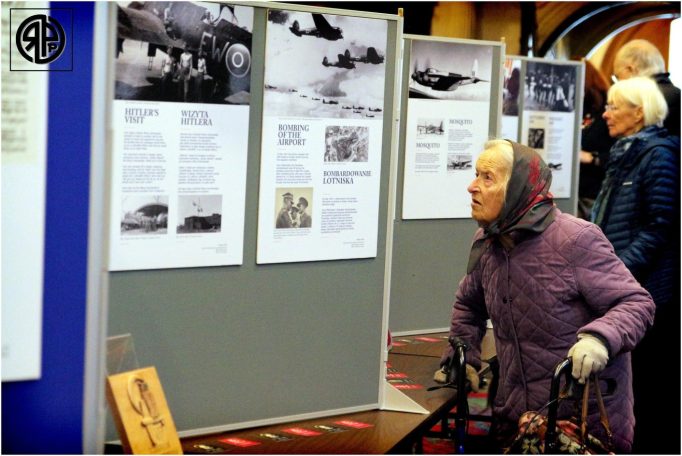
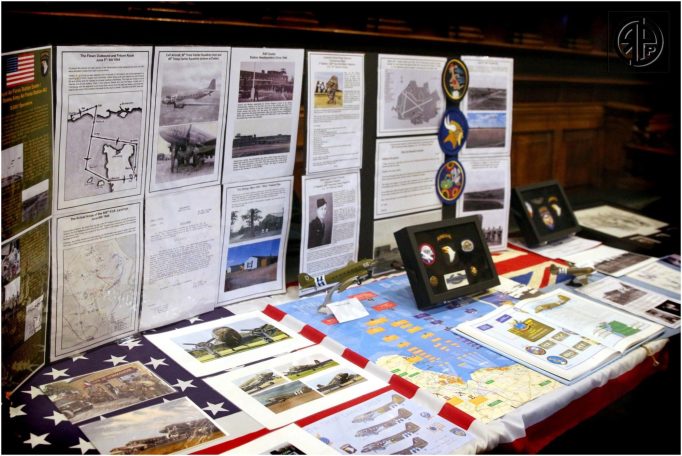
Inside the guildhall a free public exhibition about 307 Squadron organised by 307 Squadron Project took place on 14th and 15th November, 307 Squadron Project was assisted by the Polish Embassy in London and Exeter City Council in holding the exhibition. The exhibition explaining the history of 307 Squadron was written in both English and Polish, it included multimedia and a large amount of memorabilia, much of which has been donated to 307 Squadron Project by relatives of squadron members.
On the night of 4-5 May 1942 forty enemy bombers targeted Exeter and the city's only defence was four Beaufighter crews of 307 Squadron. The Polish managed to shoot down four of the bombers, crucially before the bombers could drop their bombs on the city, the four crews of 307 Squadron all managed to safely return to their base at RAF Exeter (now Exeter Airport). Although many residents of Exeter were killed that night and a large number of buildings destroyed, had it not been for the Polish Nightfighter Squadron then a lot more people would have been killed and the devastation much greater, potentially 307 Squadron prevented the complete destruction of the city, The wartime Mayor of Exeter later described 307 Squadron as “our guardian angels”.
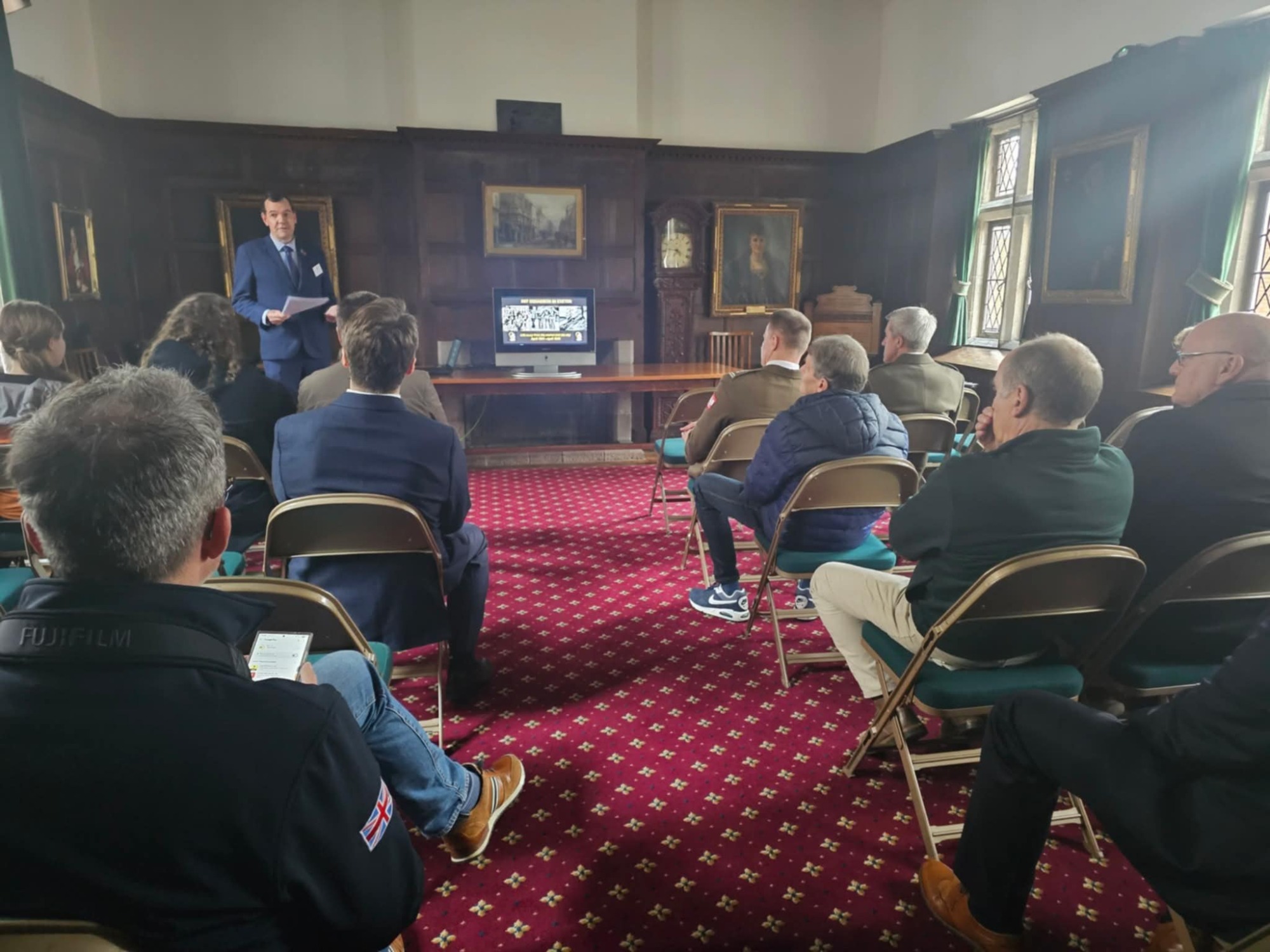
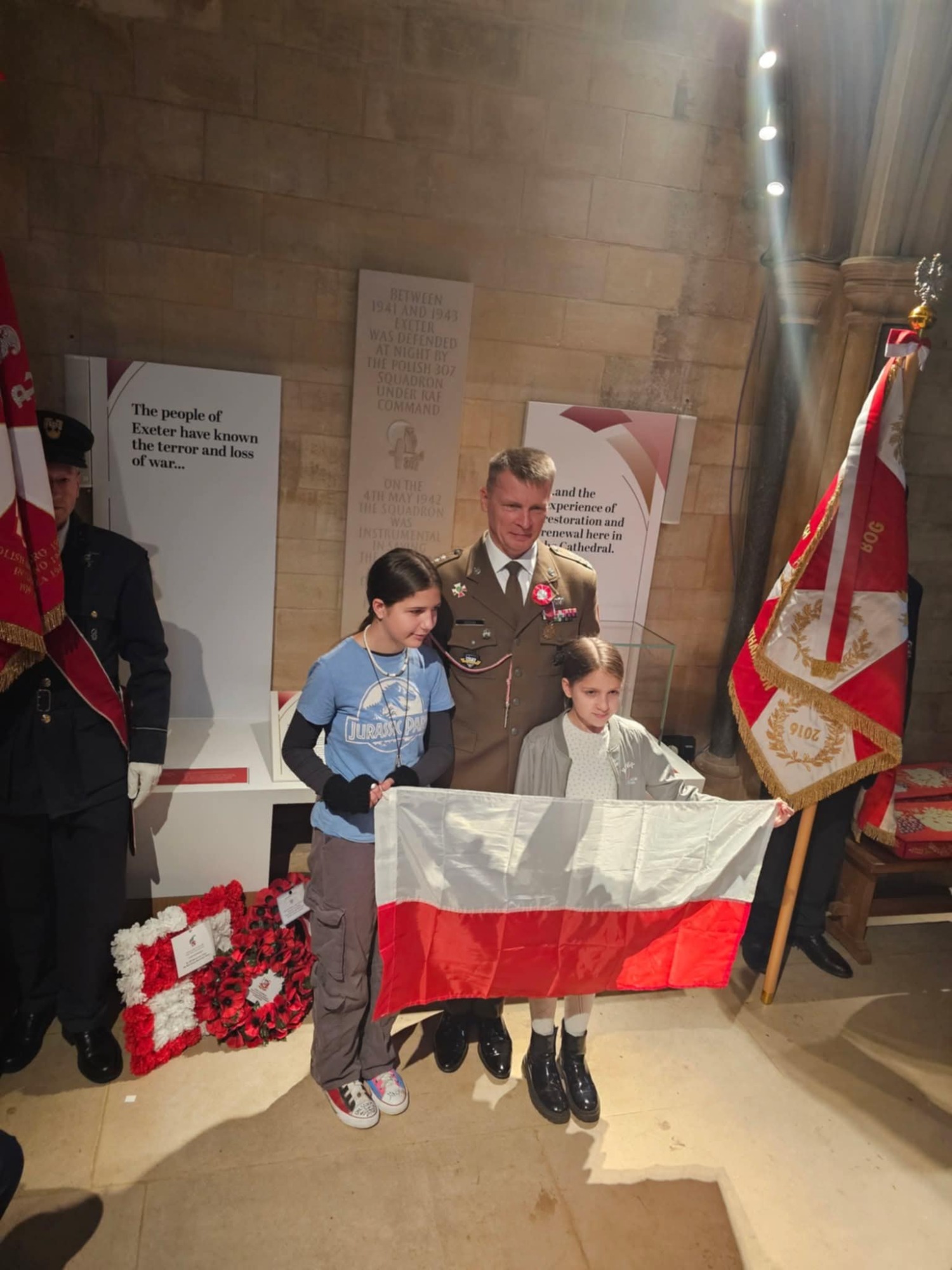
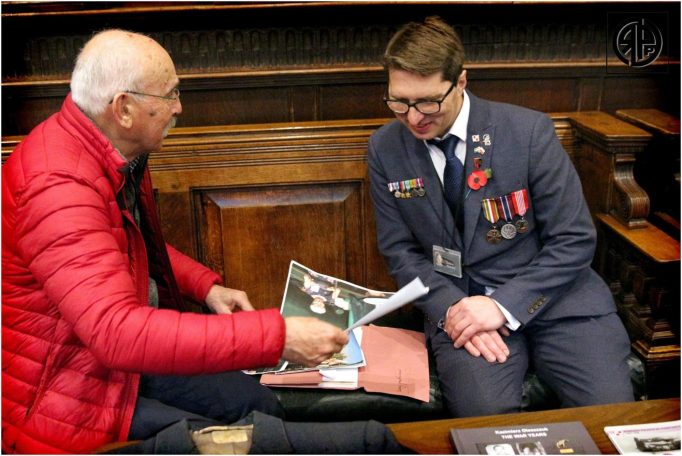
Returning to 15 November 2025, VIPs including the Deputy Lord Mayor of Exeter Councillor Gemma Rolstone, organisations, relatives of squadron members and the general public attended a wreath laying ceremony at the 307 Squadron memorial at Exeter Cathedral in the St. James Chapel, a chapel which was destroyed during the blitz on Exeter in May 1942. Later, back at Exeter Guildhall, 307 Squadron Project member and local Exeter historian Michael Parrott gave a presentation about 307 Squadron's many links with Exeter including where Squadron members lived, visited and socialised between 1941-1943. 307 Squadron Project’s two day exhibition was attended by more than 600 members of the public to enable more people to learn about the Squadron. Visitors included school children from Czech Republic, members of 307 Squadron Project were delighted and honoured to meet for the first time another two sons of two Squadron members who both donated memorabilia, including logbooks, to the project. Michael Parrott of 307 Squadron Project said, “We were delighted that so many people and organisations from across the whole of Great Britain, not just residents of Exeter, attended the exhibition which means that even more people now know about 307 Squadron.
We would like to sincerely thank both the Polish Embassy in London and Exeter City Council for their support. Meeting two more relatives of 307 Squadron members means that the 307 Squadron family continues to grow. The extremely generous donations of memorabilia will further enhance our exhibition that we display across Great Britain and in Poland and greatly help us in telling the amazing story of the eagle owls of 307 Squadron.
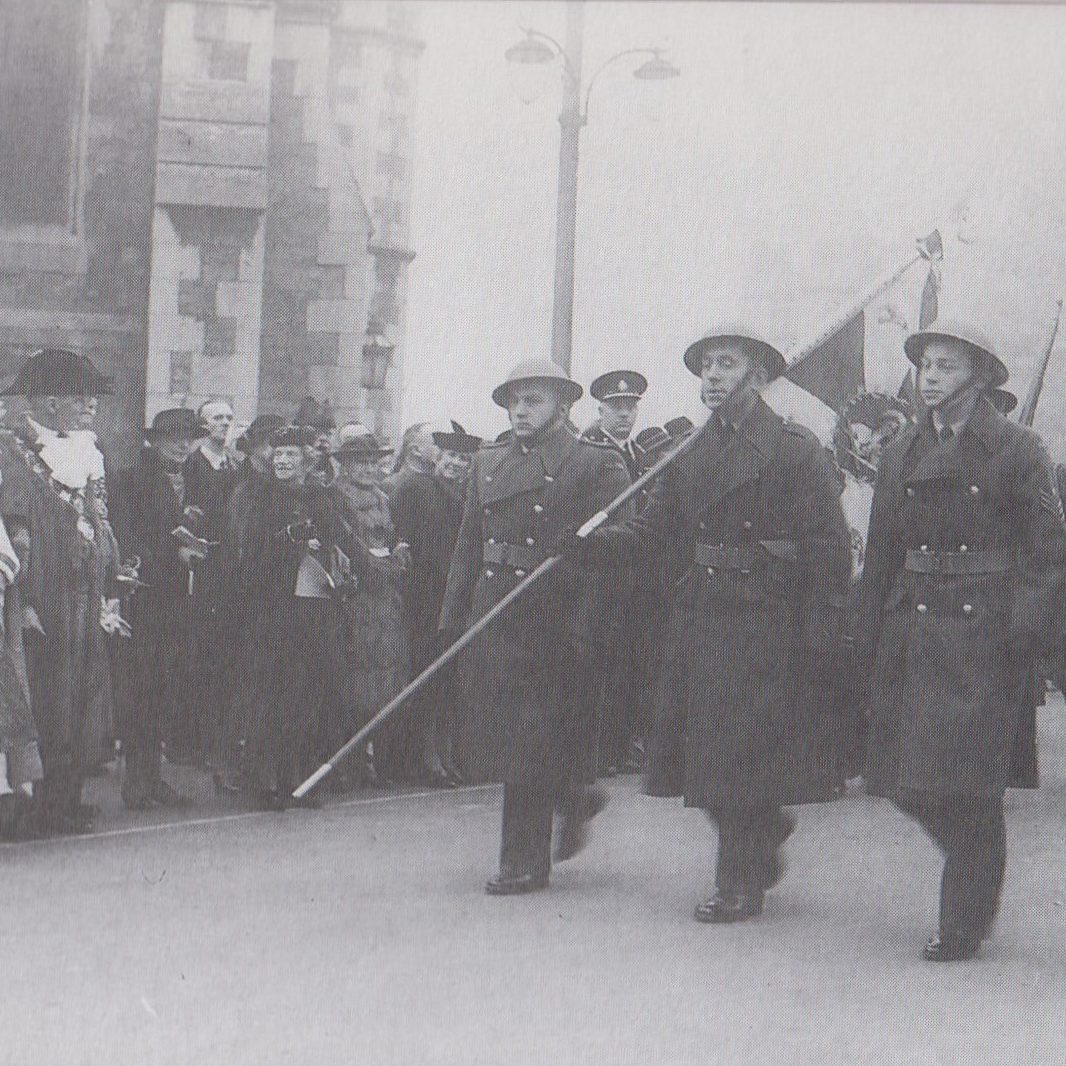
Above: Polish members of 307 Squadron from RAF Exeter march past the Mayor of Exeter, Mr Glover Sanders, as they parade to Exeter Cathedral during the World War Two in November 1942.
307 Squadron Gallery
Article written by Jerry Bird:
21 March 1943 at 17.40 hours:
Very sadly, during a training flight from RAF Exeter, a 307 Squadron Mosquito NFII, EW-V, DZ261 crashed as it was attempting a single-engine landing at Exeter. The aircraft came down within the adjoining Parish of Farringdon just 1/2 mile south of the airfield boundary. Both crew tragically lost their lives as a result.
Wing Commander Jan Michałowski, the Squadron's Commanding Officer, and Flight Lieutenant Stanisław Bohdan Szkop were both 33 years old and had known each other since their school days. The Squadron had recently began the transition from the Bristol Beaufighter to the deHavilland Mosquito and had been experiencing issues handling their new charges, particularly when it came to single-engine flight characteristics.
Predominantly constructed with plywood and with two powerful Rolls-Royce engines, the aircraft was capable of almost 400mph, but suffered control issues when operating on a single-engine meaning it had to be treated carefully and with respect. Learning to fly any twin-engine aircraft on a single-engine is standard practice. It appears that Wing Commander Michałowski wanted to reassure his pilots that there wasn't an issue and done correctly the Mosquito could be flown safely on one engine.
Just after taking off, Michałowski shut down the left engine and flew a circuit intending to land on one engine. Just below 500 feet, with undercarriage and flaps down for landing, a red flare was fired from Ground Control meaning do not land! Apparently, an aircraft, either towed or under its own power, had pulled onto the runway ahead of the landing Mosquito. In landing configuration, at low level, with one engine shut down and at low airspeed, basically committed to land, Jan Michałowski was in a no win situation.
Although appearing to apply power to his one engine, the aircraft pulled up steeply (witnessed from the ground), stalled and spun into the ground. There was no chance for either airmen. It was a tragic end for two brave men, particularly Jan Michałowski, a highly experienced and much decorated officer, who was regarded with huge respect by his fellow Poles and others at RAF Exeter.
Wing Commander Michałowski was responsible for ehancing the already special bond between the citizens of Exeter City and the Squadron, when he and the Squadron presented the Polish Flag to the Lord Mayor of Exeter at a special ceremony on the Cathedral Green on the 15th November 1942. He made a stirring speech which he ended with the following, referencing the flag:
“May it remind the people of Exeter when the war is over that at one time Poles and Devonians fought and died for the same cause."
RAF Station Exeter’s Operations Record Book entry for the 21st of March 1943 reads:
"A very tragic accident occurred to-day resulting in the death of W/CDR. MICHAŁOWSKI, C.O. of No. 307 (Polish) Squadron and his observer F/O SZKOP. W/CDR. MICHAŁOWSKI was endeavouring to land a Mosquito on one engine. Fortunately one of the crew of some visiting Venturas took some ciné photos which should prove useful for the Court of Enquiry which has been ordered. Many tributes were paid to the Wing Commander who had proved a most popular and efficient Commanding Officer whose personality at all times had endeared him to everybody and had been the direct cause of the fine spirit of friendliness which was apparent between the Poles and other personnel on the Station."
307’s Squadron Operations Record Book entry for the 21st of March 1943 reads:
“Weather fine but Hazy. Flying training continued by day. Two patrols were flown at night. There was no enemy activity in the area. We record with deep regret that the Commanding Officer, Wing Commander J. Michałowski, V.M.K.W., D.F.C. and his Navigator F/O Szkop were killed in a flying accident when landing on one engine in a Mosquito at 17.40 hrs. The flight was a non-operational night flying test. A Court of Inquiry is being held. Total Flying Hours:- 18.40 Day. – 2.15 Night.”
On the 24th March, both Jan Michałowski and Stanisław Bohdan Szkop were buried together at Higher Cemetery, Exeter, side by side.
307’s Squadron Operations Record Book entry for the 24th of March 1943 reads:
"The funeral of Wing Commander Michałowski, V.M., K.W., D.F.C. and F.O. Szkop took place at Higher Cemetery, Exeter. Over 300 members of the Squadron attended as well as many personal friends of the late Wing Commander. They included Group Captain Woodhall O.B.E., Station Commander R.A.F. Exeter, Group Captain Pawlikowaki V.M.K.W. from fighter command, Group Captain Beill V.M., D.F.C., Officer Commanding R.A.F. Station, Hemswell, Wing Commander Witorzenc, D.F.C. from fighter command, Wing Commander Pronnsko, Officer Commanding, No. 304 (Polish) Squadron,Wing Commander Cwenak, No.18 O.T.U., Wing Commander Bajan of the Polish Inspectorate General, Wing Commander The Hon. E.F. Ward, Office Commanding, R.A.F. Station, Harrowbeer, and Wing Commander Rypl, from Czech Headquarters, London. The Royal Marine Band, Exton
Barracks, was in attendance. Many beautiful wreaths were sent as a last tribute."
RAF Station Exeter’s Operations Record Book entry for the 24th of March 1943 reads:
"Funeral of W/CDR. MICHAŁOWSKI and F/O. SZKOP was held today. The Royal Marines Band from Exton was in attendance and they provided two trumpeters. The whole funeral was most impressive and was attended by more than 300 persons."
The Court of Inquiry made recommendations regarding future single-engine training flights and 307 went on to use the Mosquito, initially the NFII, then the NFVI, NFXII, NFXIII and NF30 night-fighter variants very successfully for the rest of the war.
Polish Night Fighter Song
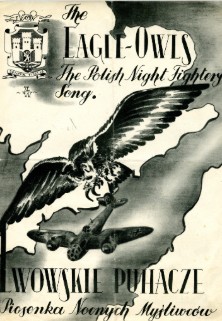
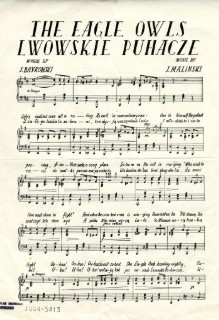
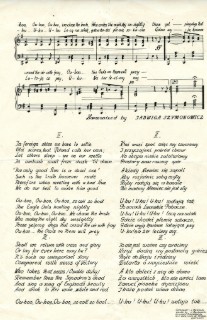
The following images are the brilliant artwork of my good friend Robert Gretza who produces yearly calendars featuring aircraft and personnel from the 307 Squadron. You can read and see the amazing illustrations on Robert's website at www.gretza.pl Use the translate button to read the content in English. I have been given special permission to use these images by the 307 Squadron Project. Please do not copy or use them without prior permission.
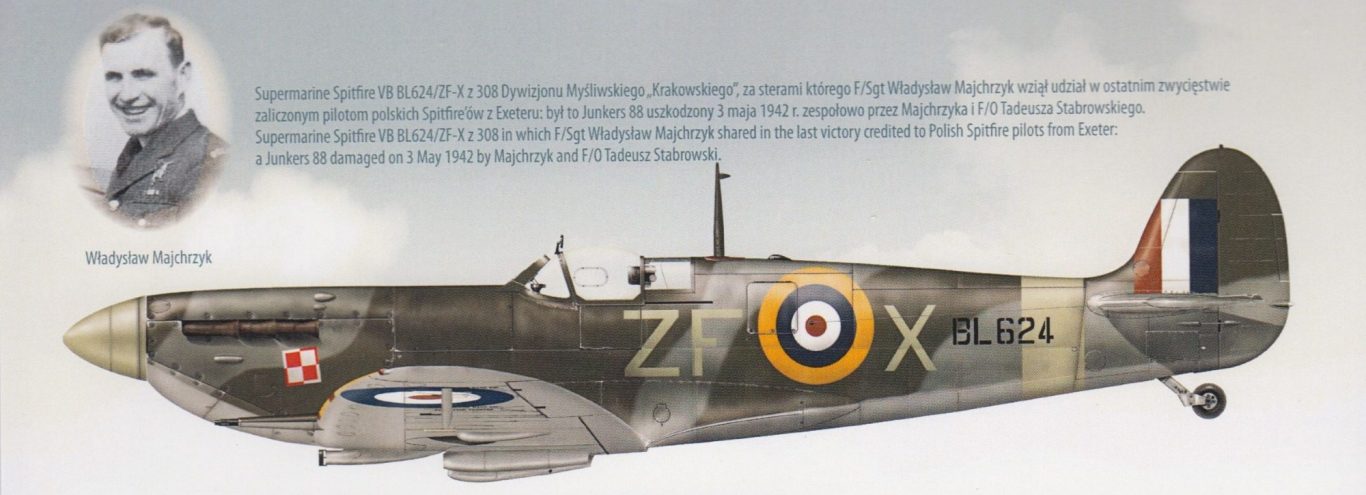
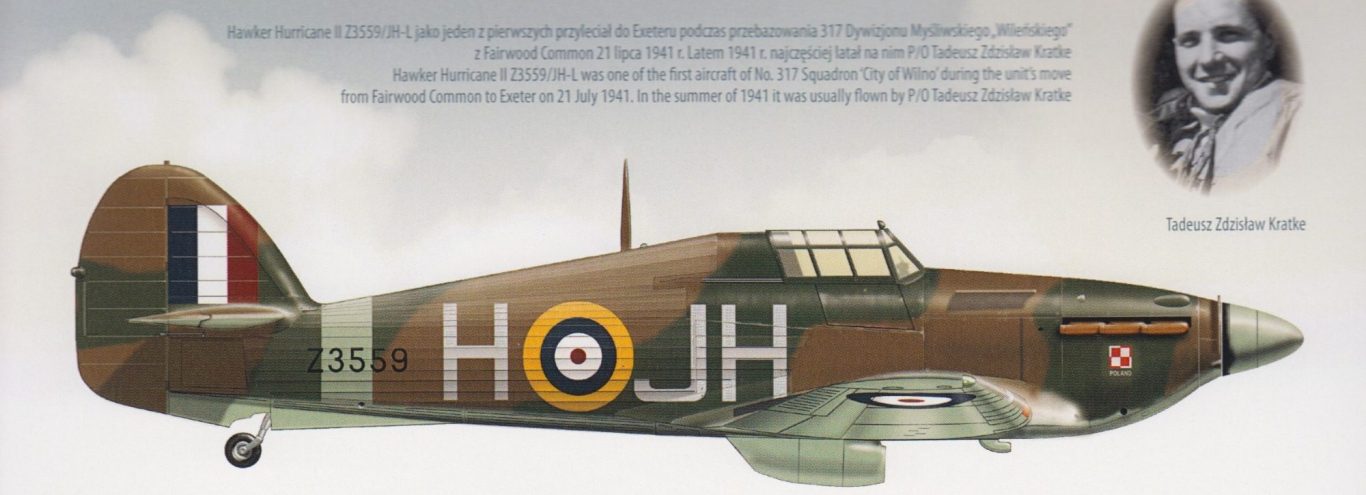
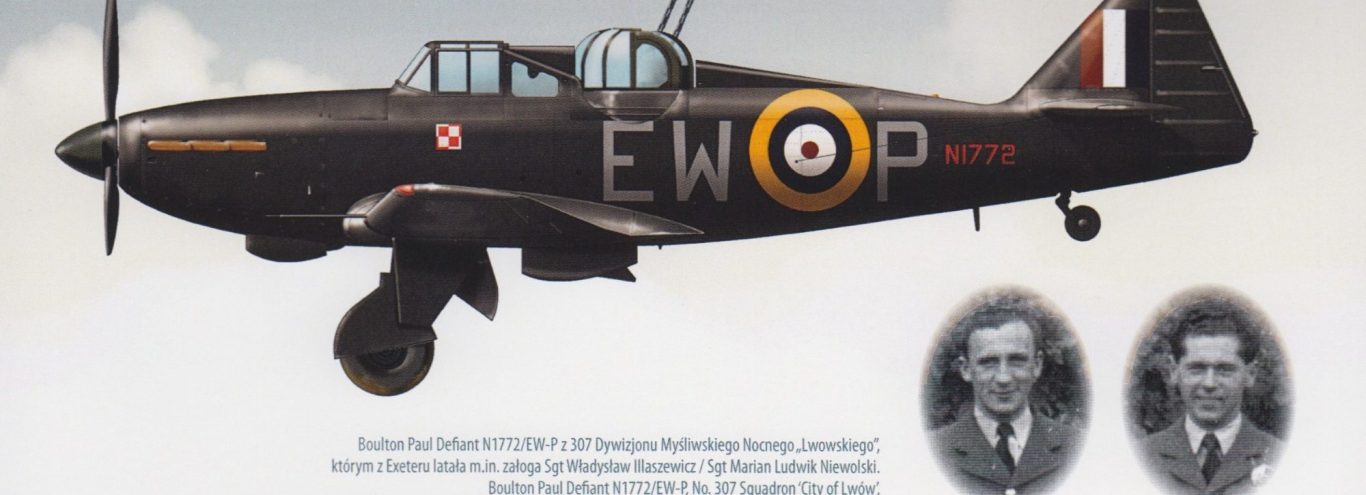
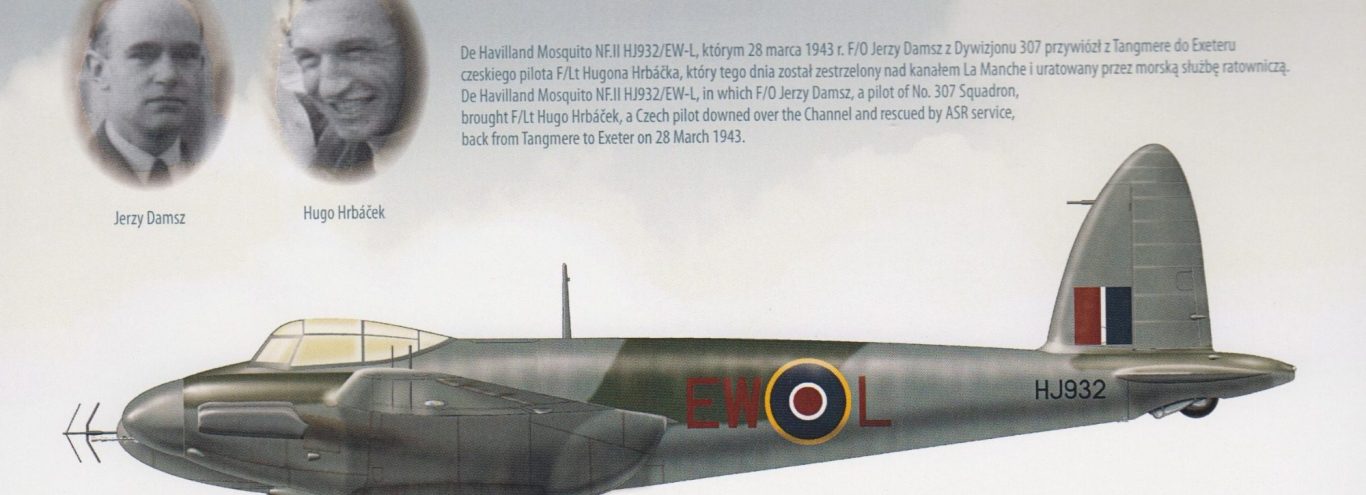
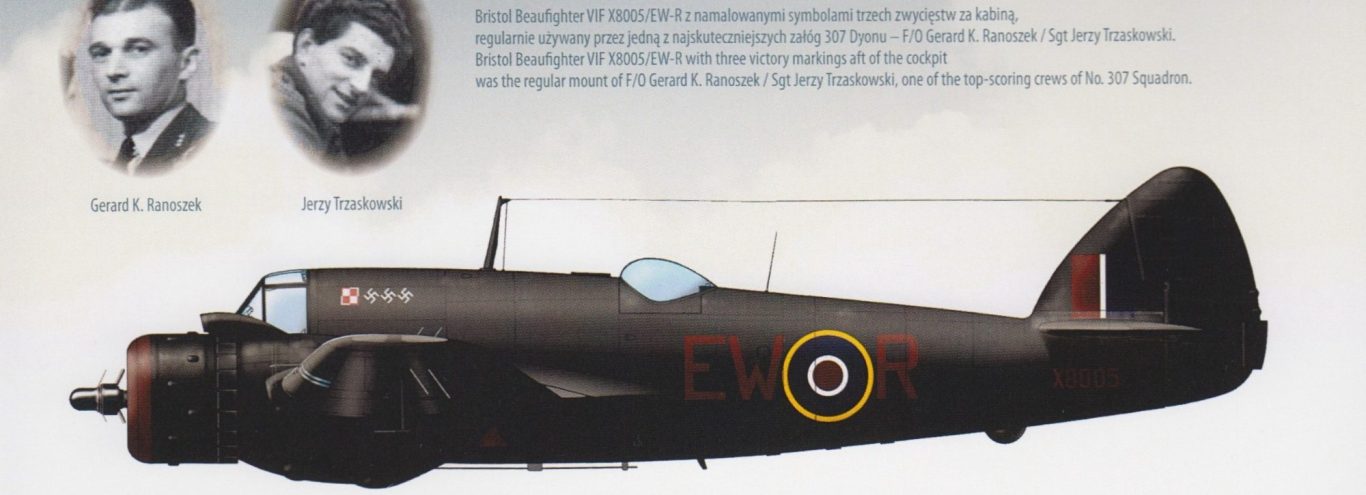
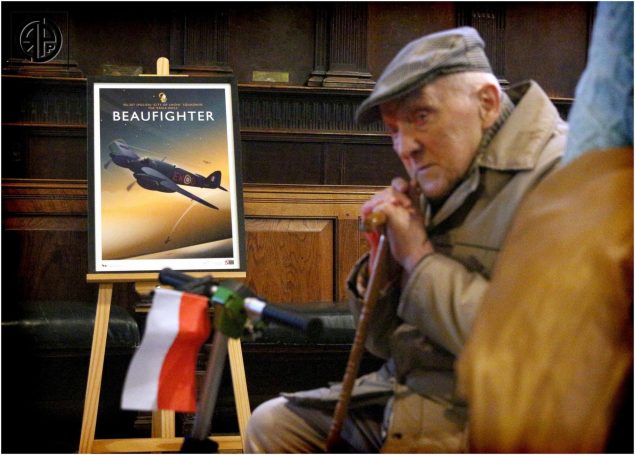
The following images are provided by Robert Piwko Photography capturing many special moments from the 2024 events. Please do not copy or use them without prior permission.
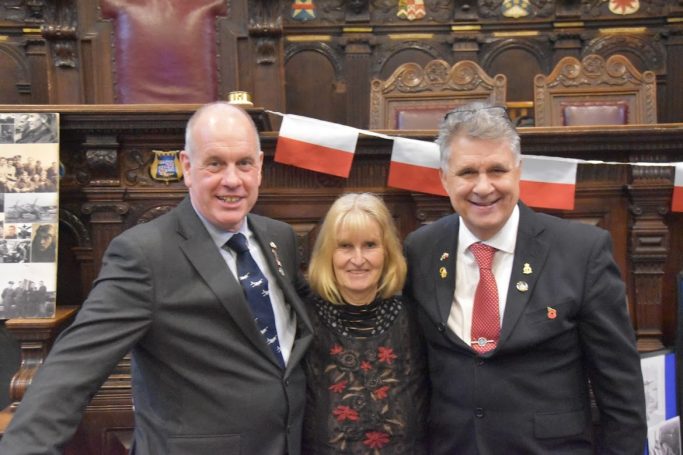
Remember The Heroes Project Co-Founder Tomasz Chrabaszcz Website