Gunnery Research Unit
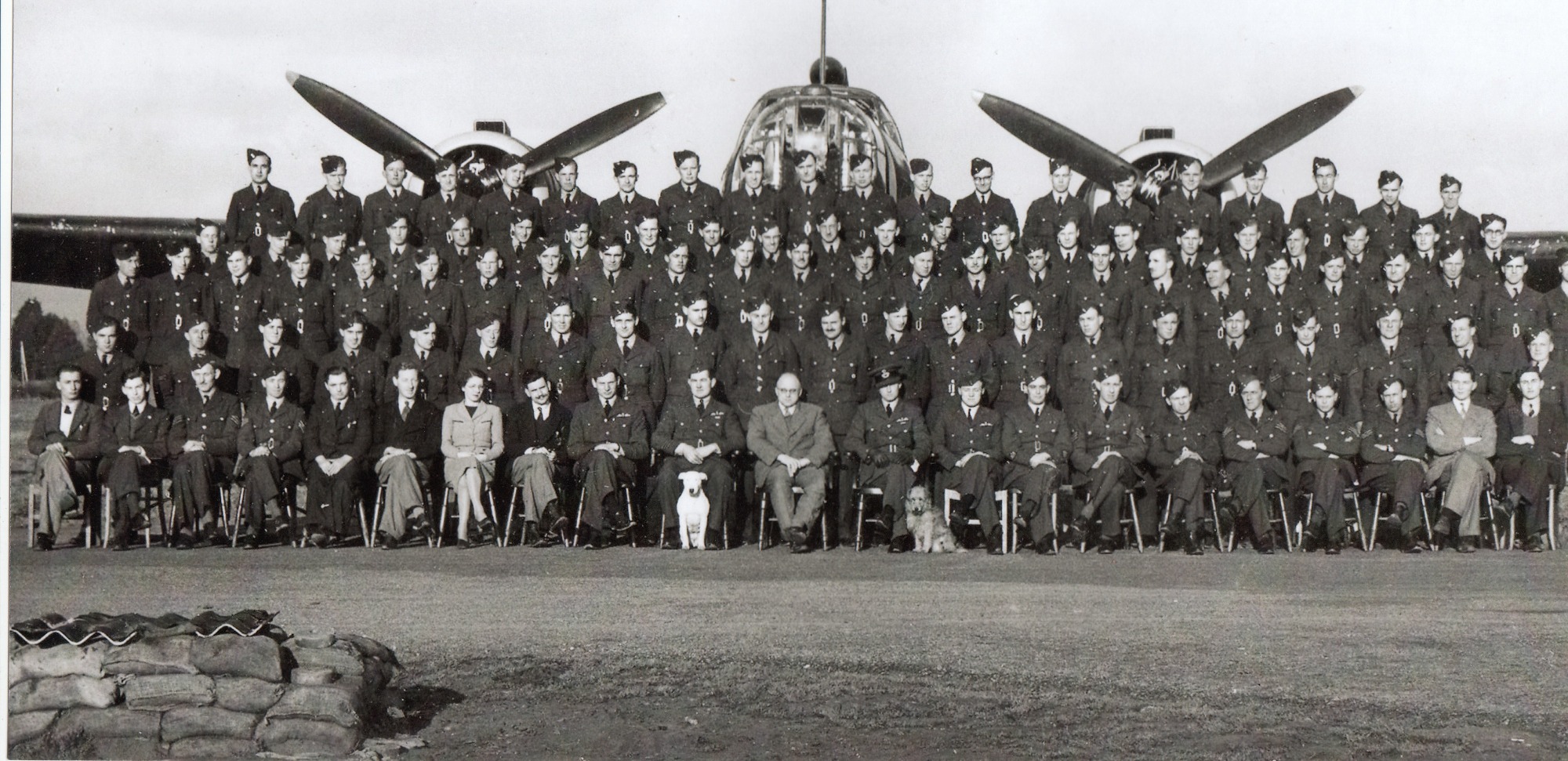
A division of the Royal Aircraft Establishment, GRU developed systems and procedures for aircraft-mounted guns.
Their presence at Exeter lasted four years, between June 1940 and April 1944, contributing to innovations in targeting, ballistics, and defensive armament.
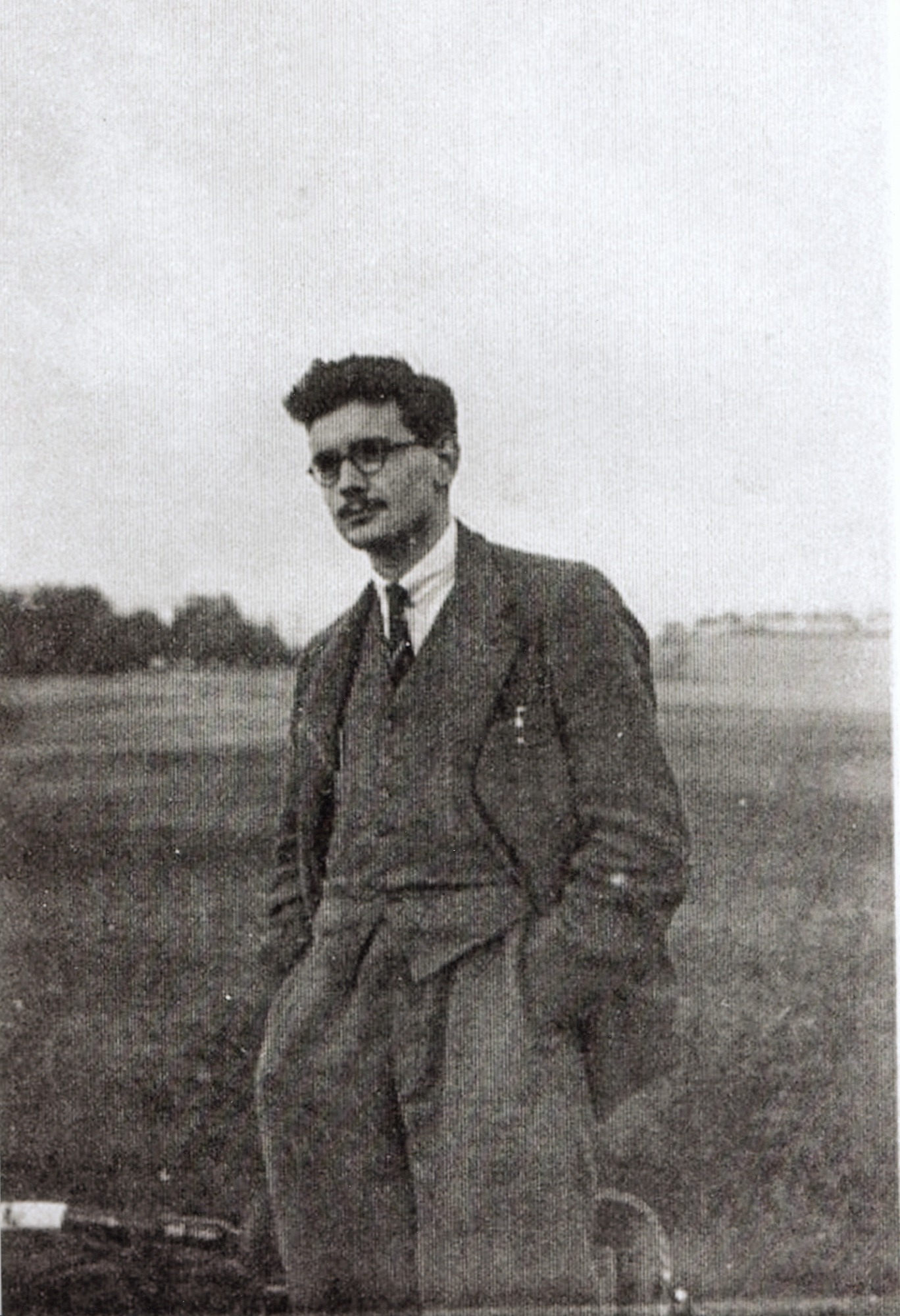
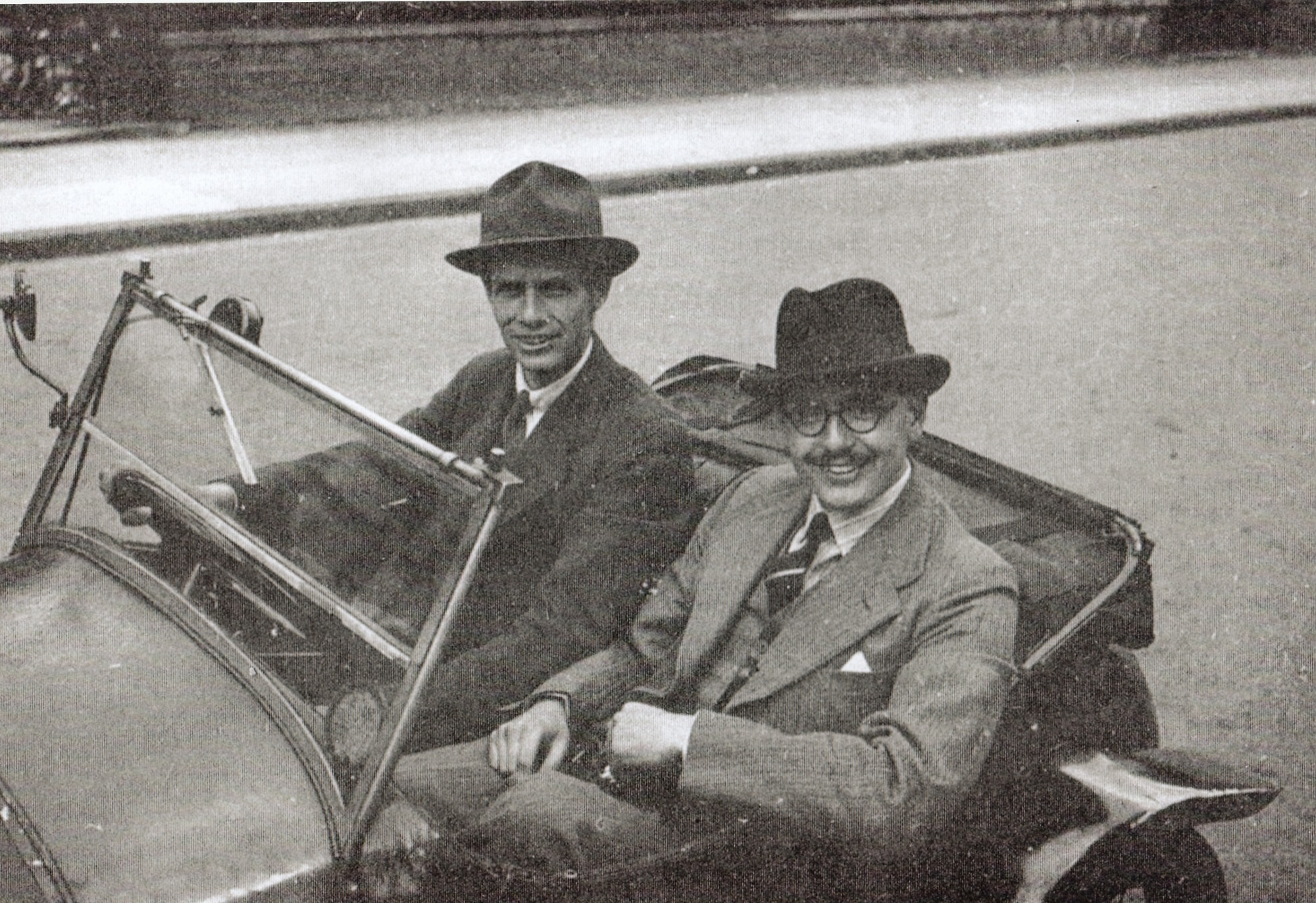
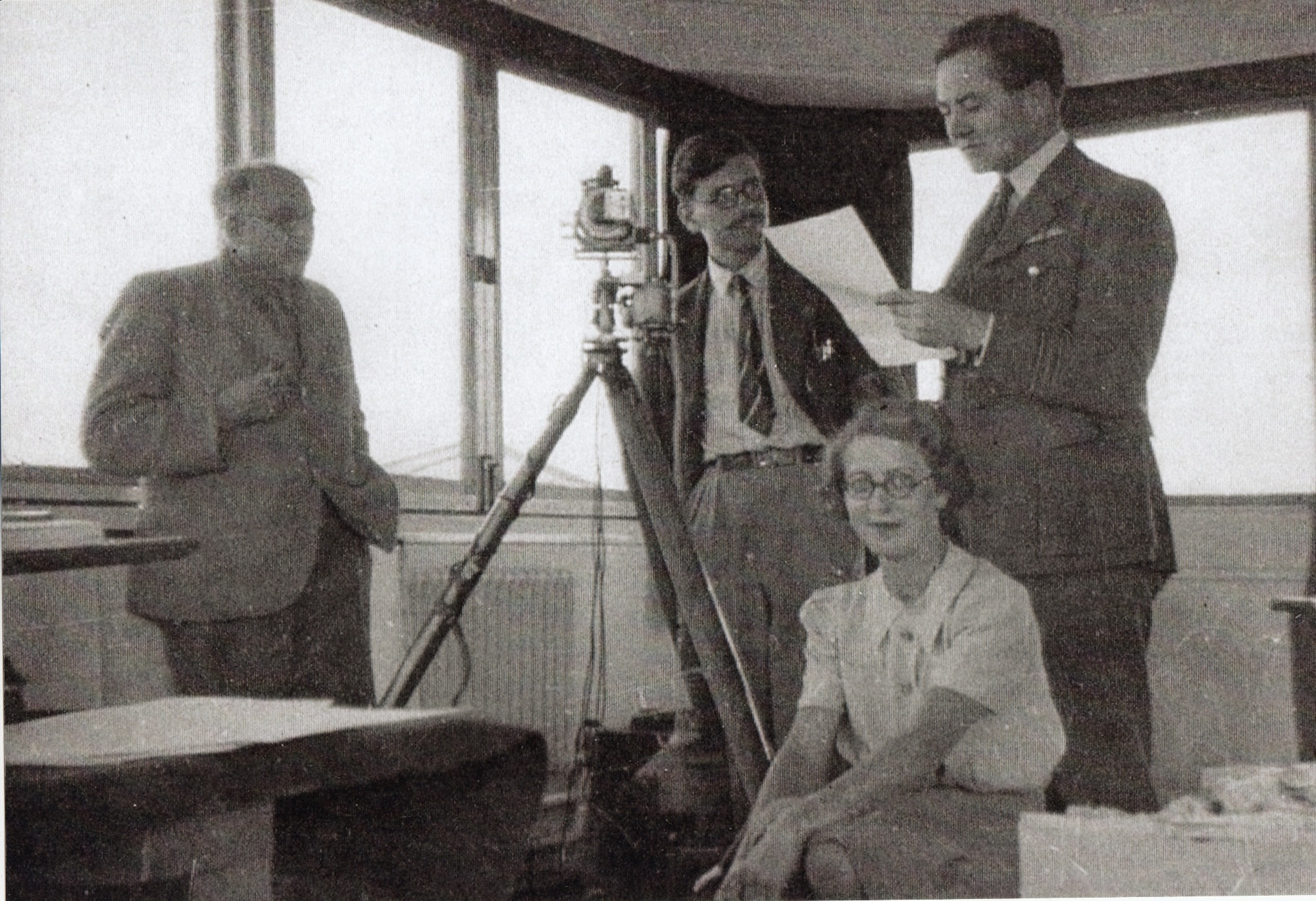
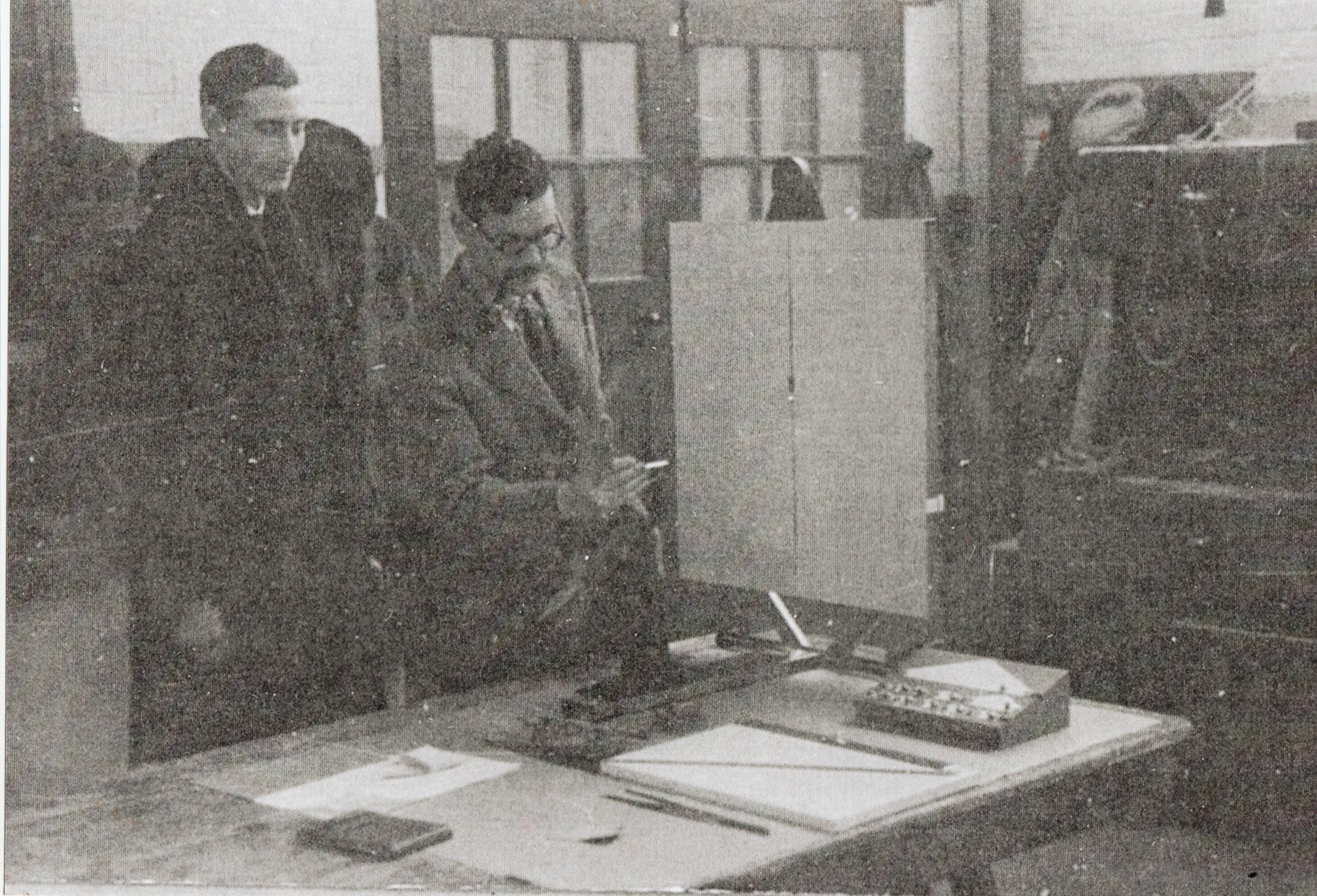
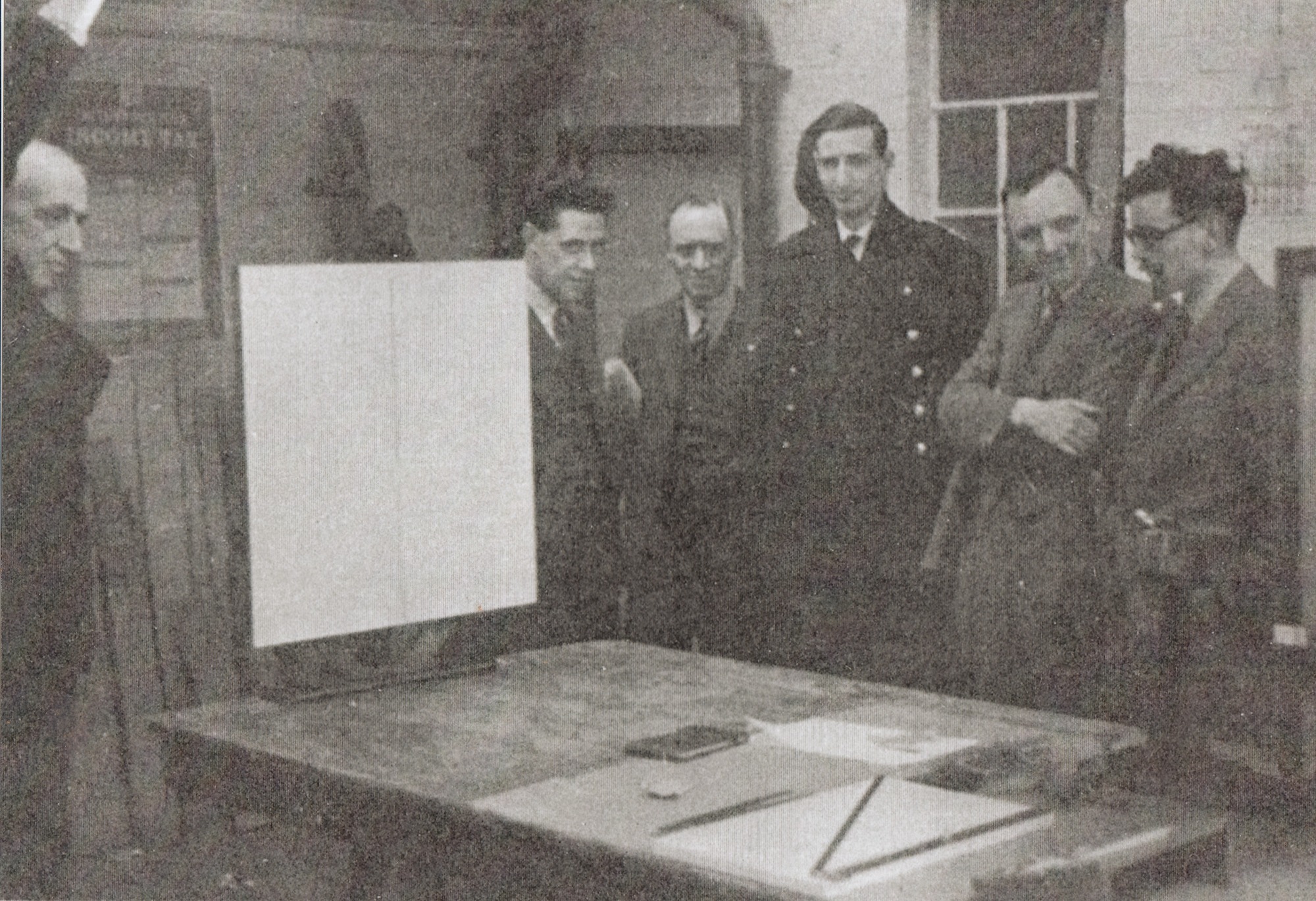
Special thanks go to Lawrence Jones who I met at the Okehampton U3a community group on Tuesday 20 January 2026. His father Garth Owen Jones pictured in these photographs, worked at the Exeter GRU and Lawrence kindly let me have copies of the photos. He also had with him his fathers log book which showed his time at Exeter. Photos of pages from the log book will be published on here in the near future. The following insight gives an in depth account of his fathers interesting career.
Garth Owen Jones, M.A., F.I.Mech.E., A.F.R.Ae.S. Member, M.I.T. Chapter of the Society of the Sigma Xi
Garth Owen Jones graduated from Emmanuel College, Cambridge, in 1938. He then became a Busk Student in Aeronautics, undertaking research into aircraft stability and control under the direction of Prof. Sir Melvill Jones F.R.S. during 1938–1939. In October 1938 he also joined the Cambridge University Air Squadron to learn to fly.
In 1939 he was awarded a Commonwealth Fund Fellowship to study aeronautics in the United States. His bags were packed and ready for departure from Tilbury when war was declared on 3 September 1939, forcing him to seek alternative employment. He joined the Gunnery Research Unit of the Ministry of Aircraft Production as an Observer on 26 September 1939 at Boscombe Down, Wiltshire. There he again worked with Sir Melvill Jones and first met Squadron Leader R. Emson, with whom he later formed a lifelong friendship. Their work focused on aerial gunnery, including flight tests of early prototypes of the gyroscopic gunsight, using Lyme Bay as the test area.
The Gunnery Research Unit moved to RAF Exeter on 8 June 1940, where development of the gyroscopic gunsight continued, with flight trials conducted over Ladram Bay. “The developed sight was put into operational service in fighters on the day of the invasion of Europe in 1944, with considerable impact, the success rate in combat being more than double that previously achieved. The sight was adopted by the American Forces. It eventually formed the basis of aerial gunnery equipment used all over the world for many years.” (Ref. 1)
Sir Melvill Jones’s “major collaborators in his work on aerial gunnery at Exeter were Mr G. O. Jones and Wing Commander Emson. A great deal of the work was carried out in flight, with Emson as pilot and Melvill Jones and G. O. Jones as flight observers.” (Ref. 2)
Sir Melvill Jones left the Gunnery Research Unit at the end of March 1943 to take up a post at the Ministry of Aircraft Production. The unit moved from Exeter to RAF Station Collyweston on 14 April 1944, becoming part of the Central Fighter Establishment (CFE). RAF Exeter was required to support the Allied invasion of Northern France.
During his time at Exeter, G. O. Jones lodged at Myrtle Cottage, Clyst St Mary, the home of Mr Geoff Brown, an Exeter estate agent and member of the Home Guard. Jones was subsequently posted to CFE Wittering on 1 January 1945, then to CFE Tangmere on 26 February 1945, and finally to CFE West Raynham on 1 October 1945.
He resigned from the Central Fighter Establishment on 31 July 1946 to take up a Commonwealth Fellowship at the Massachusetts Institute of Technology, U.S.A.
________________________________________________________________________________
History of the Gunnery Research Unit at Brandy Head, Devon
Origins and Strategic Purpose (1940–1944)
Brandy Head, perched on the cliffs near Otterton in East Devon, became a crucial outstation of wartime weapons development when the Aeroplane & Armament Experimental Establishment (A&AEE) relocated parts of its work to the safer Southwest early in the Second World War.
The A&AEE, founded in 1917, was responsible for testing aircraft, armaments, ammunition, rockets, and experimental devices. At the outbreak of war, its Armament Testing Squadron consisted of three flights—A (Gunnery), B (Bombing), and C (Special Duties). A Flight, the gunnery component, was moved to RAF Exeter in 1940, bringing with it the need for a coastal firing range. Brandy Head was selected as the ideal site.
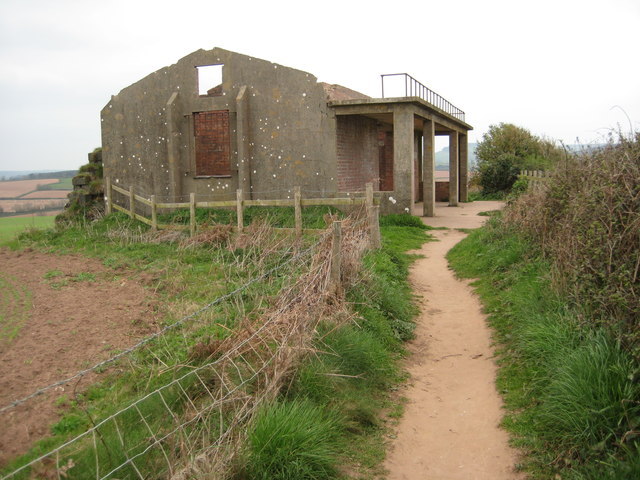
The Brandy Head Observation Post
Construction of the Brandy Head Observation Post began in 1940. The building served as the range’s nerve centre, allowing researchers to observe, record, and analyse gunnery trials conducted from aircraft flying out of RAF Exeter.
Although only ten miles from the airfield, the remote cliff‑top location provided a safe, controlled environment for live firing experiments over the sea. The post’s vantage point enabled precise tracking of ballistic performance, tracer behaviour, and weapon accuracy.
Key Research and Innovations
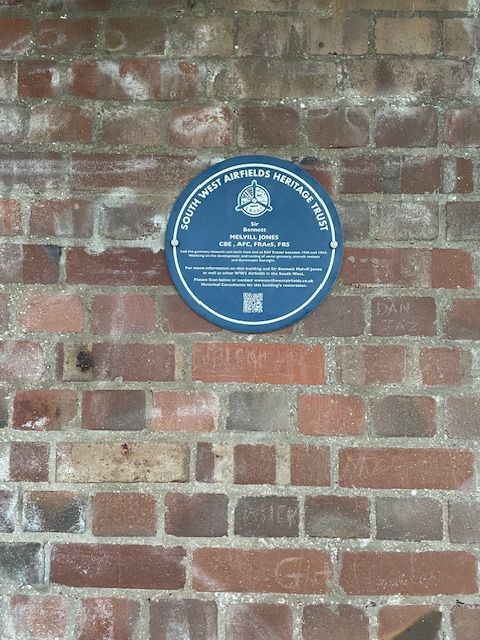
Brandy Head became especially significant due to the work of Professor Sir Bennett Melvill Jones, one of Britain’s most influential aerodynamicists. Working from the observation post and associated facilities, he developed and perfected a revolutionary aircraft gunnery sight. This innovation dramatically improved the accuracy of Allied fighter pilots and contributed directly to air superiority during the run‑up to D‑Day.
The GRU’s work also supported broader A&AEE programmes, including:
Ammunition testing
Aeroplane rocket trials
Evaluation of secret devices and countermeasures
Ballistic research supporting RAF fighter development
The proximity of Exeter’s university laboratories and local engineering firms such as Willey & Co. further strengthened the unit’s capabilities, enabling rapid prototyping and testing of new equipment.
RAF Exeter and the GRU
Exeter airfield was formally taken over by the RAF on 1 June 1940 to support the incoming experimental units. Although the Central Gunnery School was originally planned to move there, the transfer never occurred. Instead, A Flight of the Armament Testing Squadron—effectively the Gunnery Research Unit—became the primary experimental tenant. Only one of the planned Hinaidi hangars was ultimately built, reflecting the scaled‑down but highly specialised nature of the work.
Post‑war Decline and Legacy
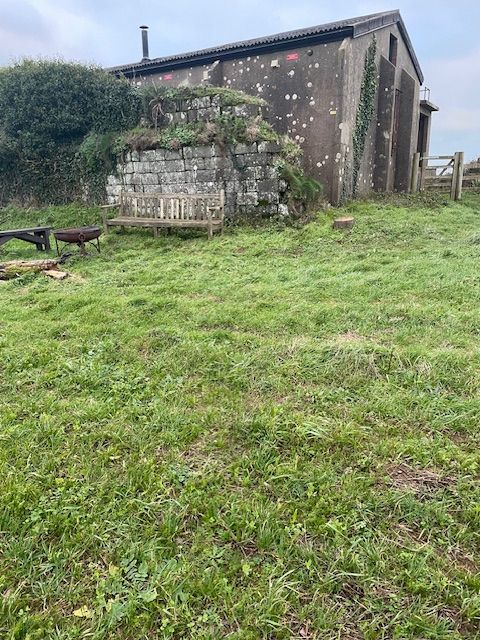
After 1944, as the focus of weapons development shifted and the threat landscape changed, the GRU’s activities wound down. The Brandy Head Observation Post remained as a silent witness to its wartime role, gradually becoming weathered and semi‑derelict.
Yet its significance endured. For more than 80 years, the building has stood as a landmark on the South West Coast Path, a reminder of the secret research that once shaped the course of the air war.
Restoration and Modern Use
In 2020, the building underwent a sensitive restoration in partnership with Clinton Devon Estates and with historical guidance from the South West Airfields Heritage Trust. The project preserved the structure’s wartime character while making it accessible to walkers and visitors. It now serves as both a heritage site and a simple, atmospheric place to stay.
The restored post continues to educate visitors about the GRU’s role and the pioneering work of Melvill Jones, ensuring that the site’s wartime legacy remains alive for future generations.
Photos below of Brandy Head are kindly supplied by Mr Lawrence Jones.
Gallery
Gunnery Research Unit Exeter and Brandy Head
Photos below of Brandy Head are kindly supplied by Mr Lawrence Jones.
Page last updated 1 February 2026