Bertram “Johnnie” Arden and the
Exeter Bypass Airfield
A Lost Chapter in the Story of Exeter’s Aviation Heritage
Introduction
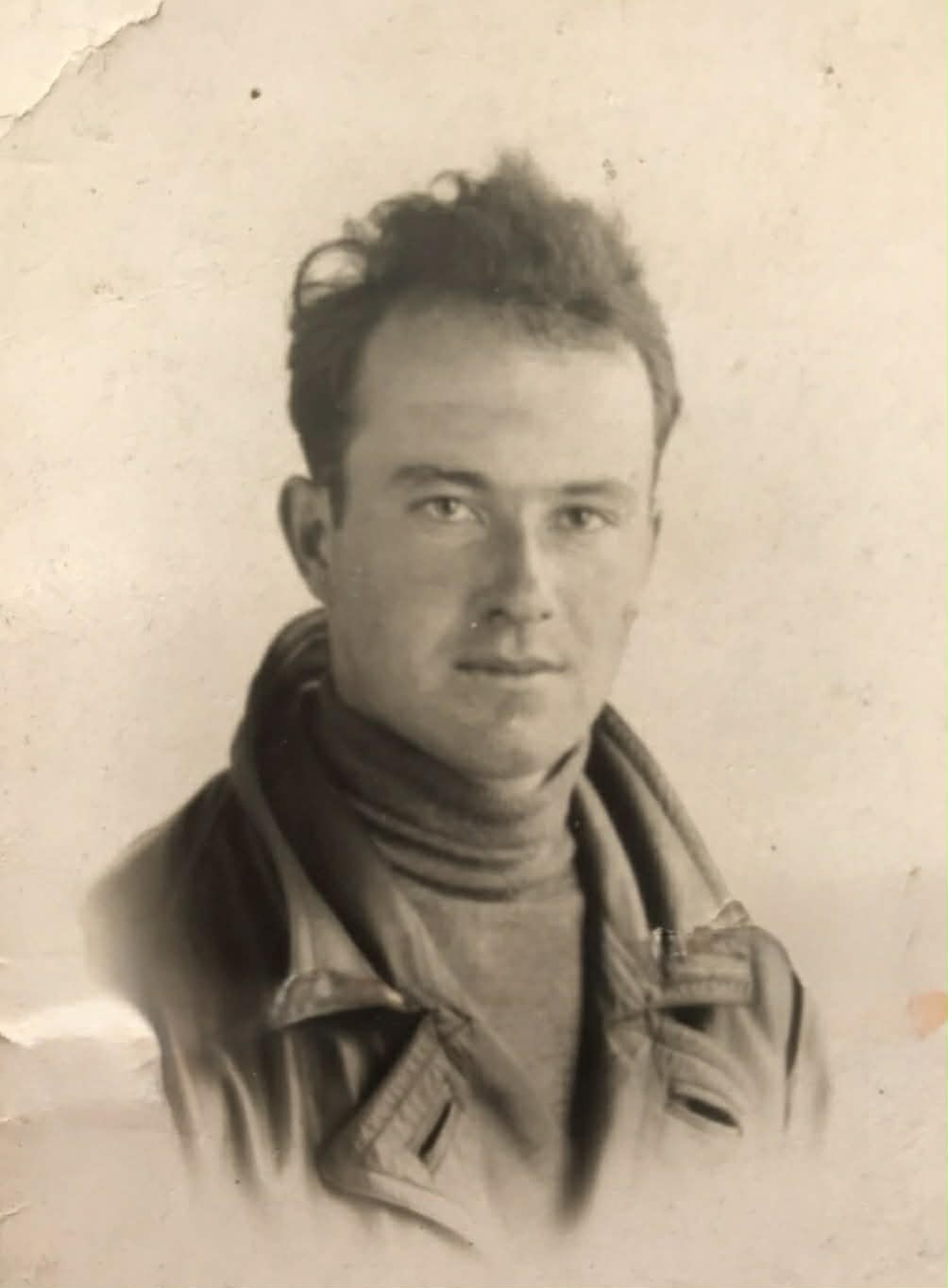
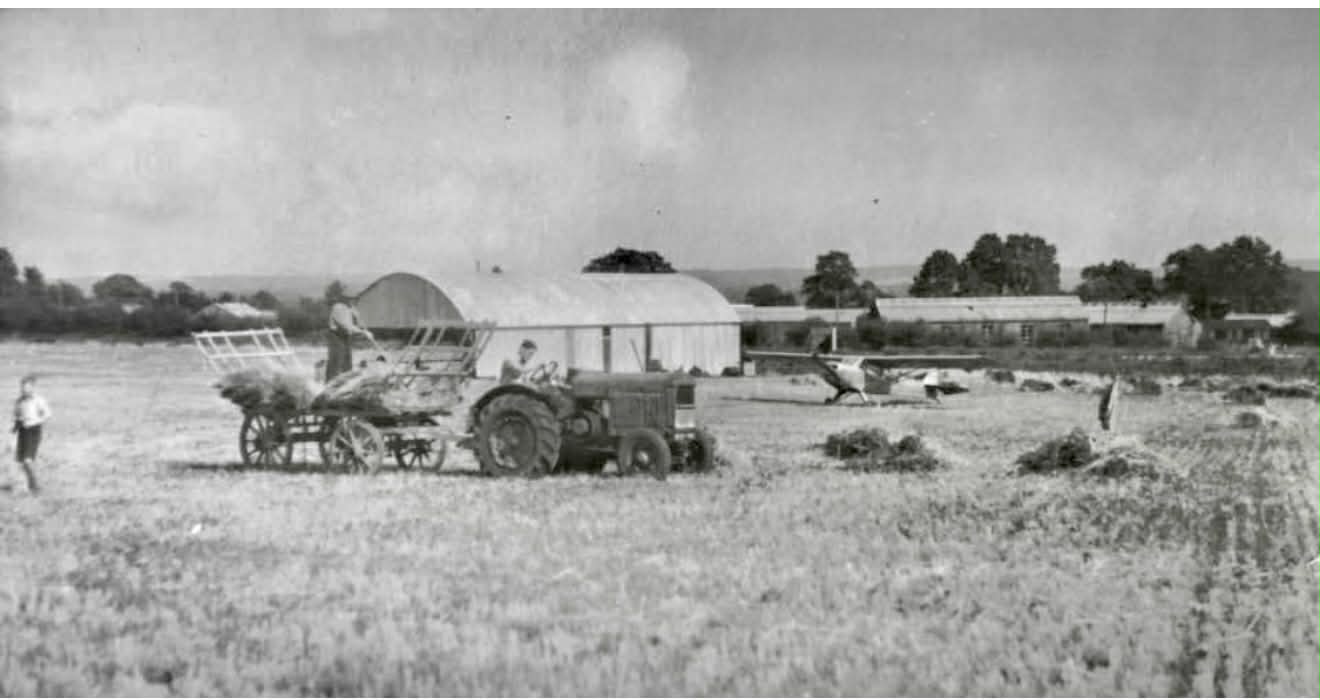
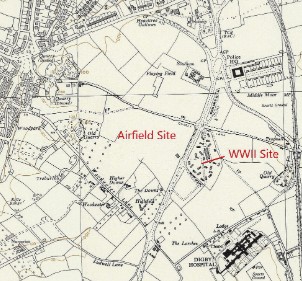
Long before the roar of jet engines became part of Exeter’s daily rhythm, a small grass airfield beside the old Exeter Bypass played host to one of Devon’s earliest private aviators. This modest strip of land — once the playing fields of Hele’s School, near the Middlemoor roundabout — became home to Bertram “Johnnie” Arden, a local farmer whose passion for flight helped shape the early aerial story of the city.
Though overshadowed today by the history of RAF Exeter,Mr Arden’s airfield represents a quieter, more personal chapter in the region’s aviation heritage: one of enthusiasm, improvisation, and the pioneering spirit of pre‑ and post‑war flying.
Origins of the Airfield
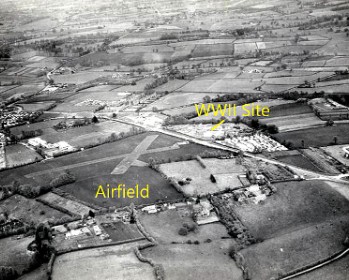
The airfield opened on 20 May 1938, occupying a field just west of the A3015. It was never a formal aerodrome; rather, it was a practical solution created by a man determined to fly. Two grass runways — one east–west, the other northwest–southeast — were marked out across the field, offering enough space for light aircraft to operate safely.
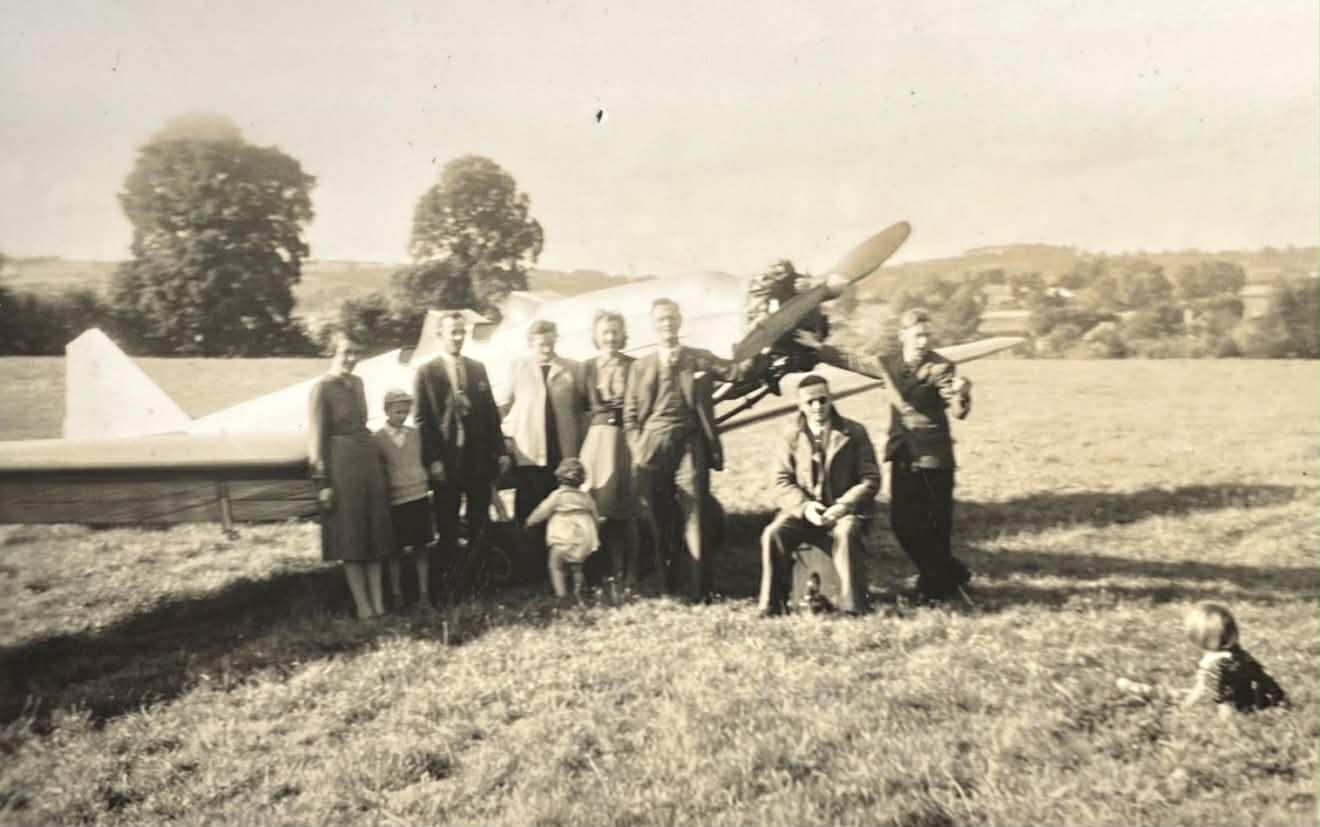
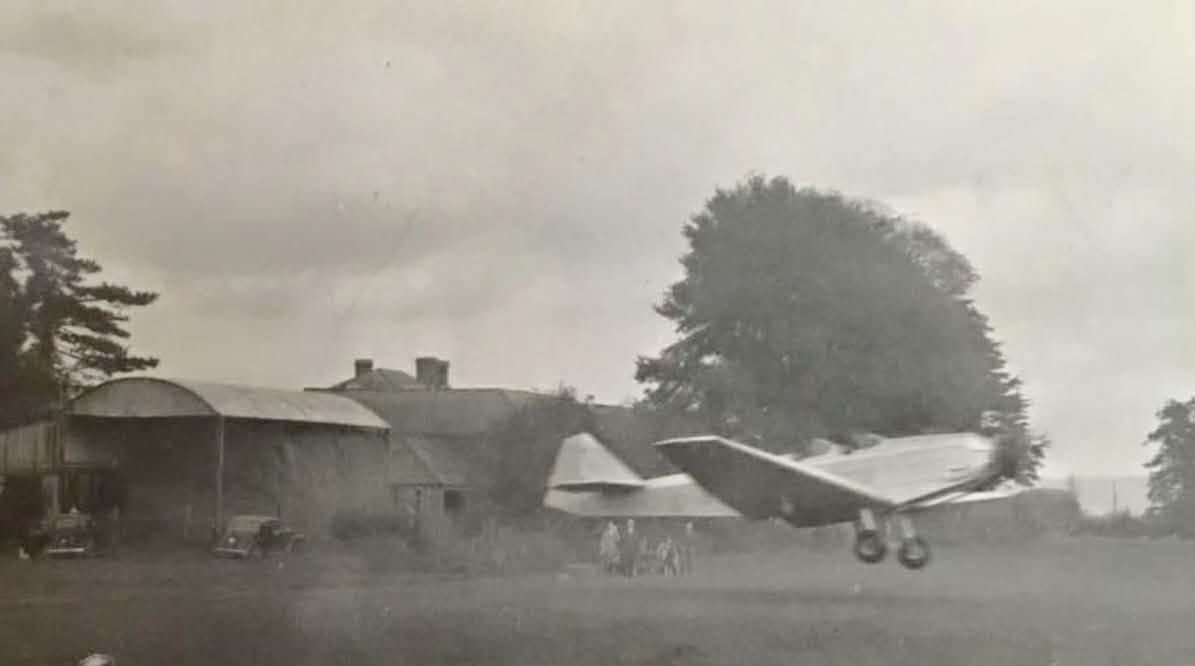
The site later expanded slightly into the adjacent field, now occupied by South West Water, where a small hangar was erected. From here, Mr Arden maintained a small but distinctive fleet of aircraft.
Mr Arden’s Aircraft
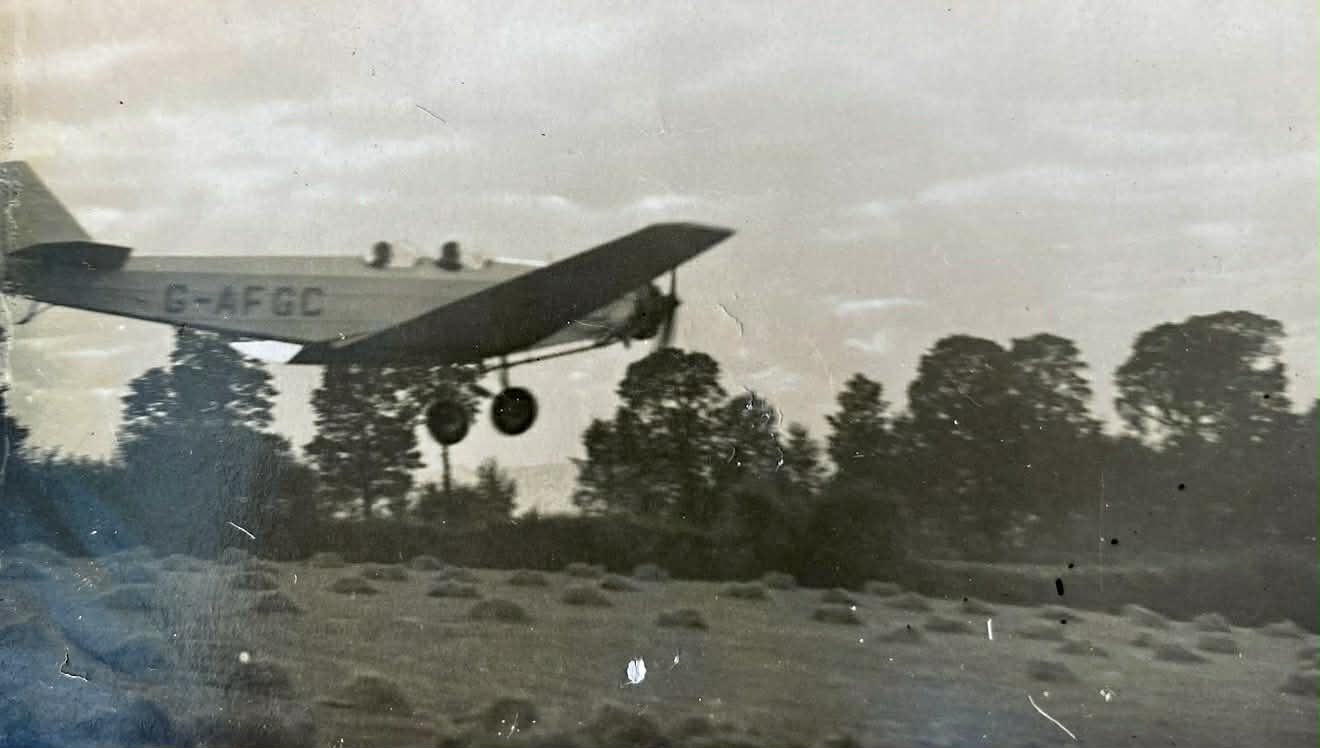
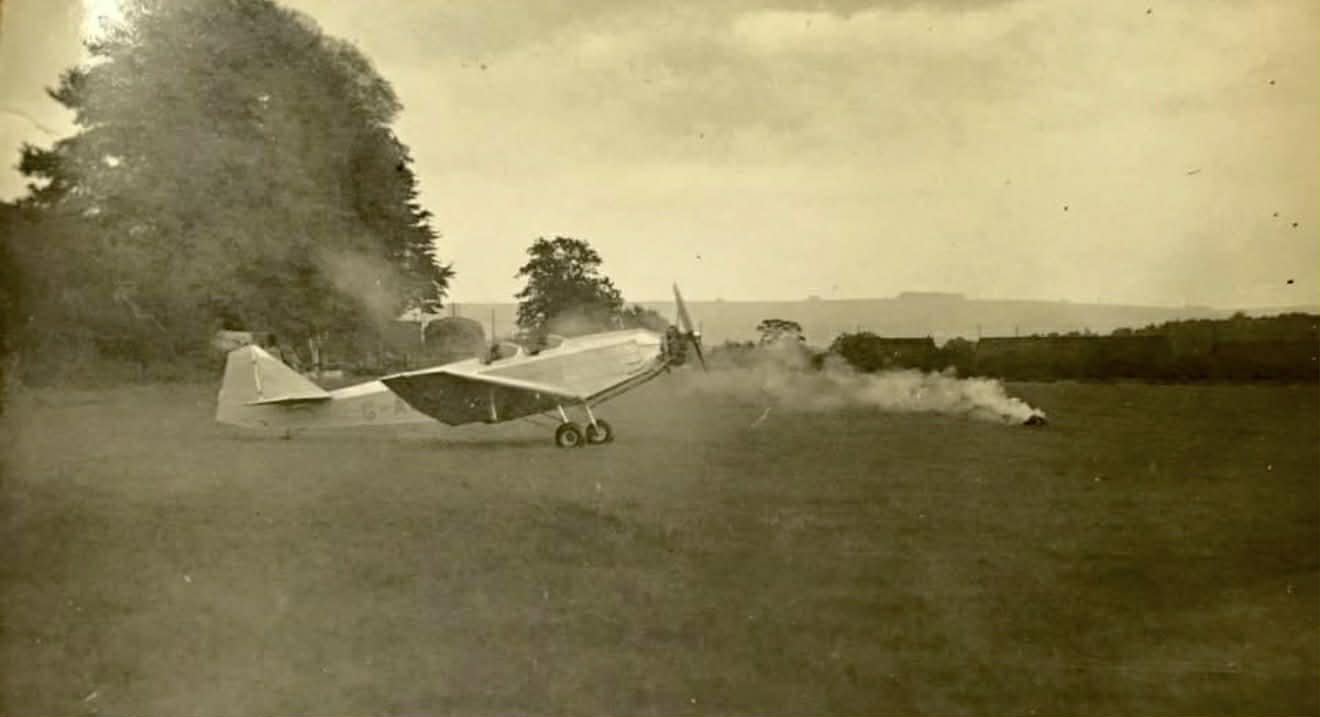
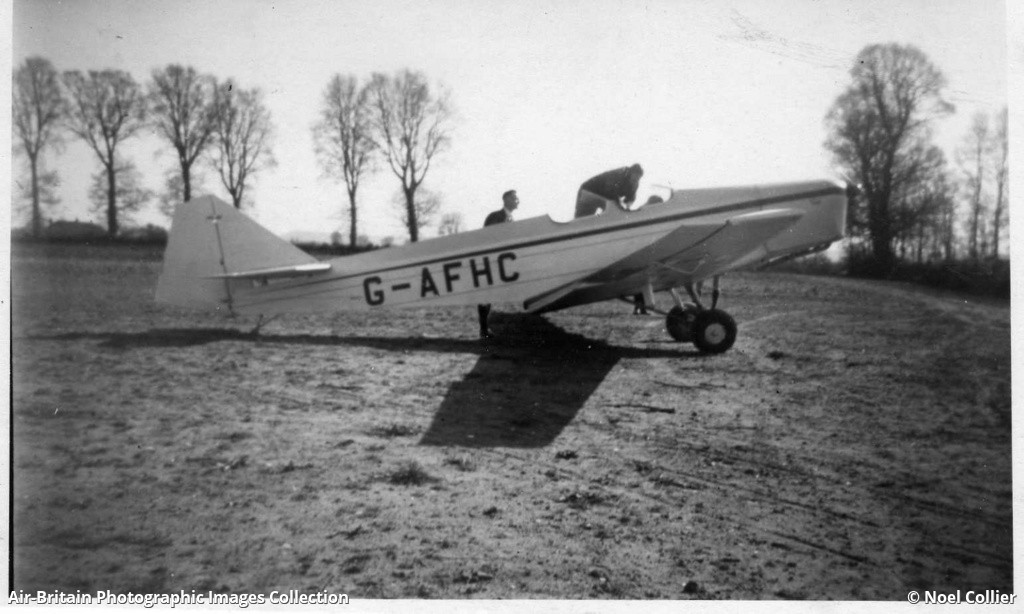
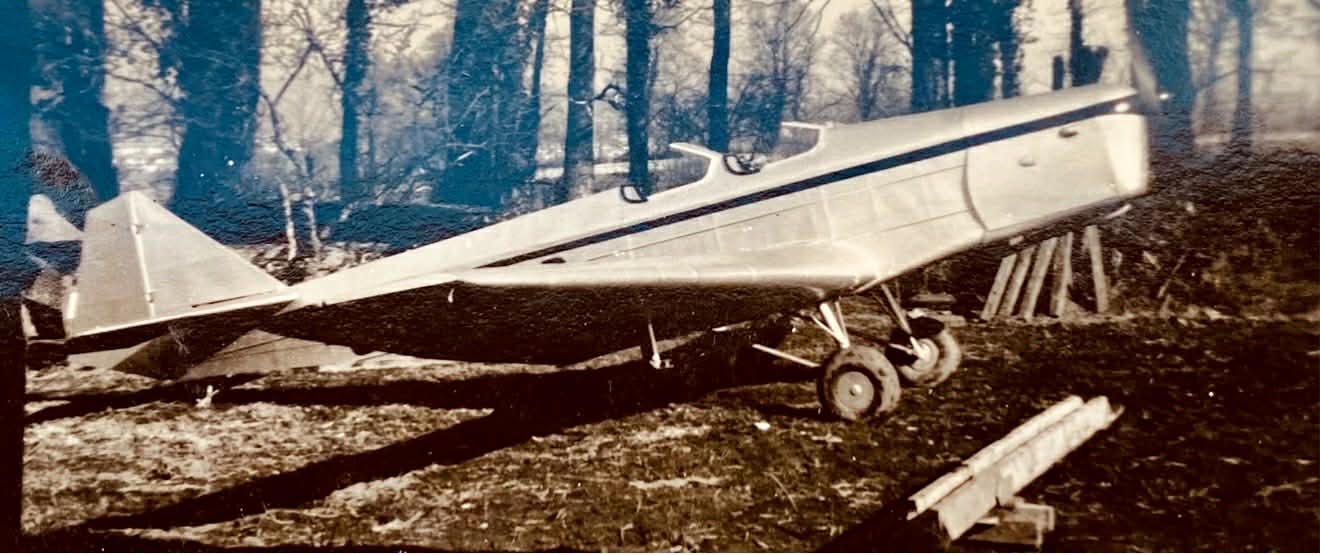
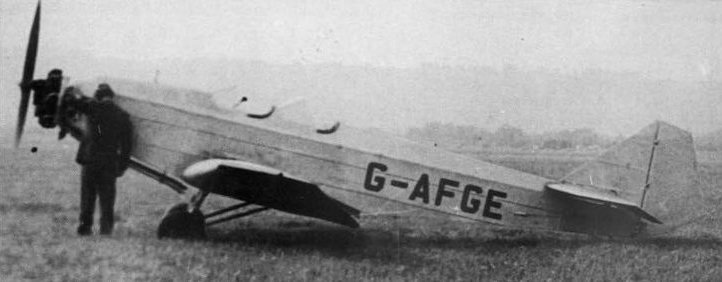
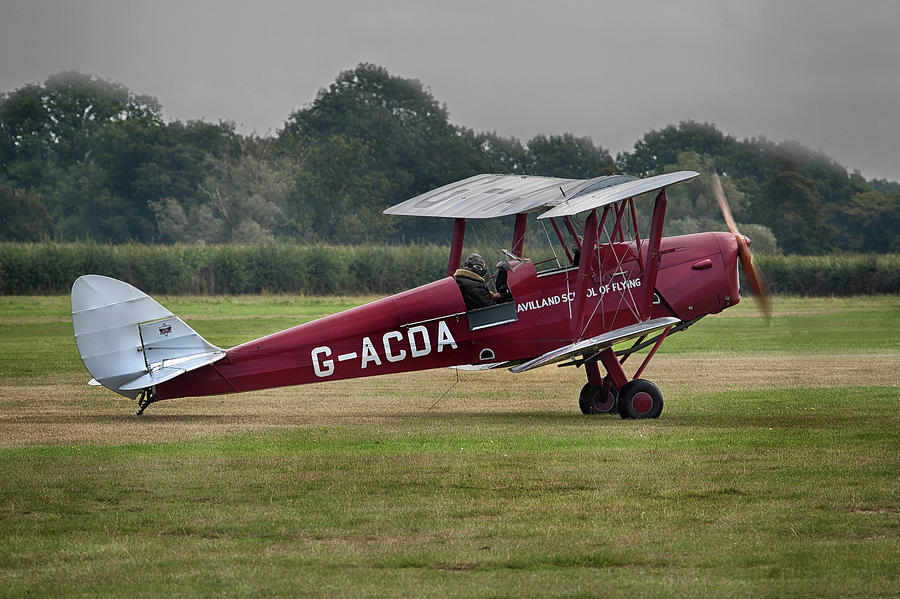
Mr Arden’s collection reflected both the variety and the charm of early private flying. Among the aircraft known to have been based at the bypass airfield were:
- BA Swallow G‑AFHC (Cirrus engine)
- BA Swallow G‑AFGE (Pobjoy engine)
- Tiger Moth BB724 (formerly G‑ACDA of the de Havilland School of Flying)
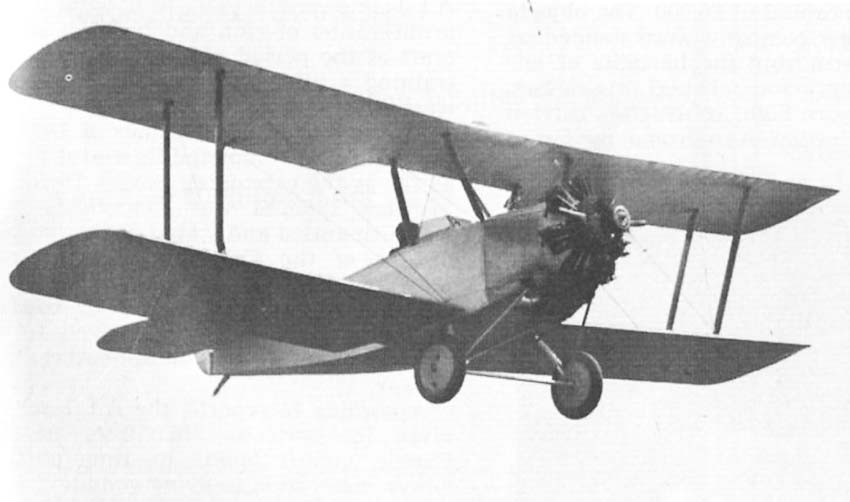
- Surrey Flying Services AL.1 G‑AALP
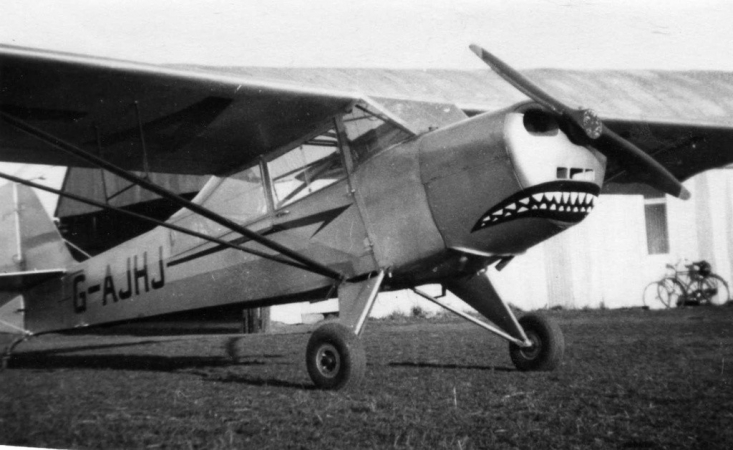
- Auster 5 G‑AJHJ
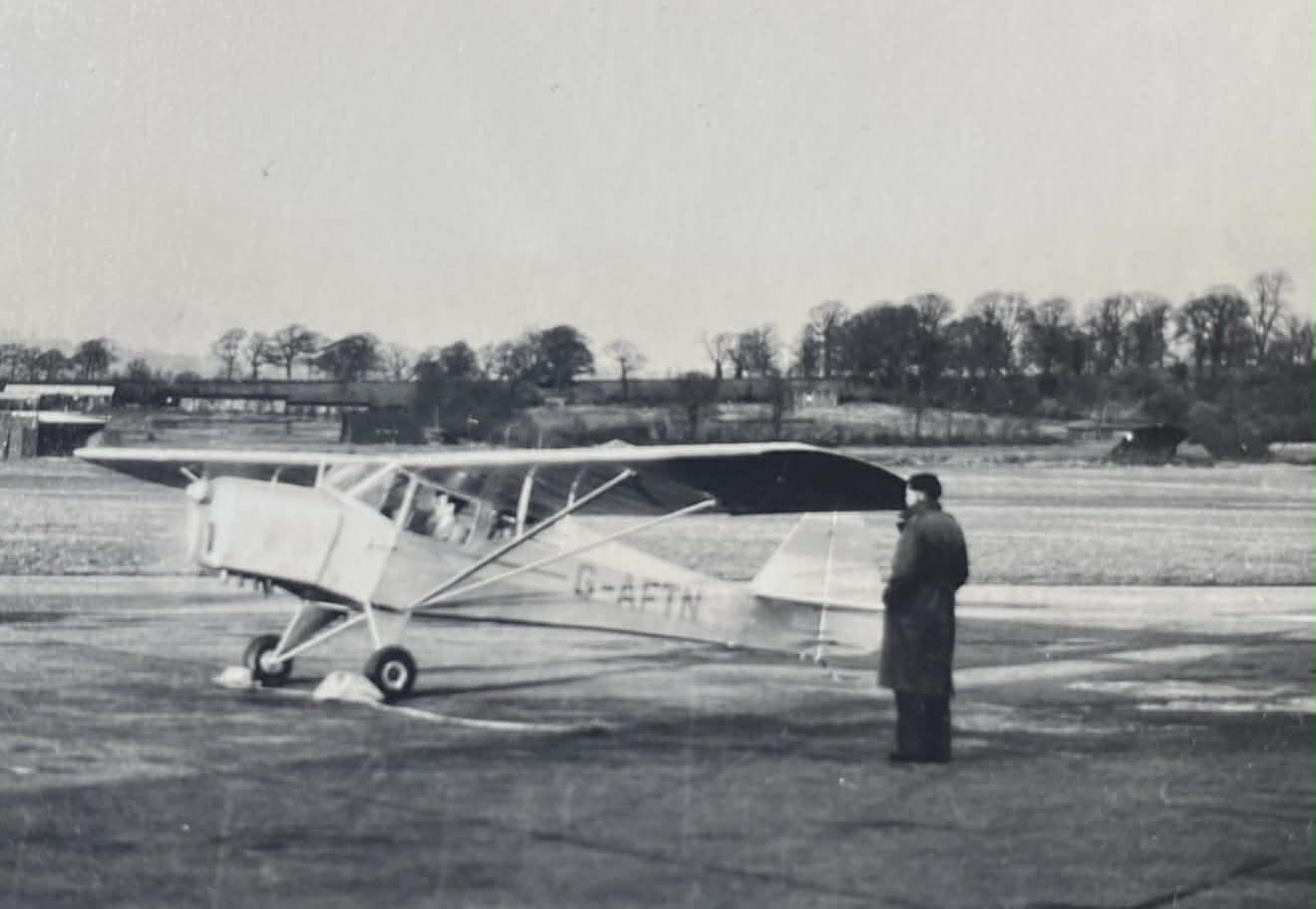
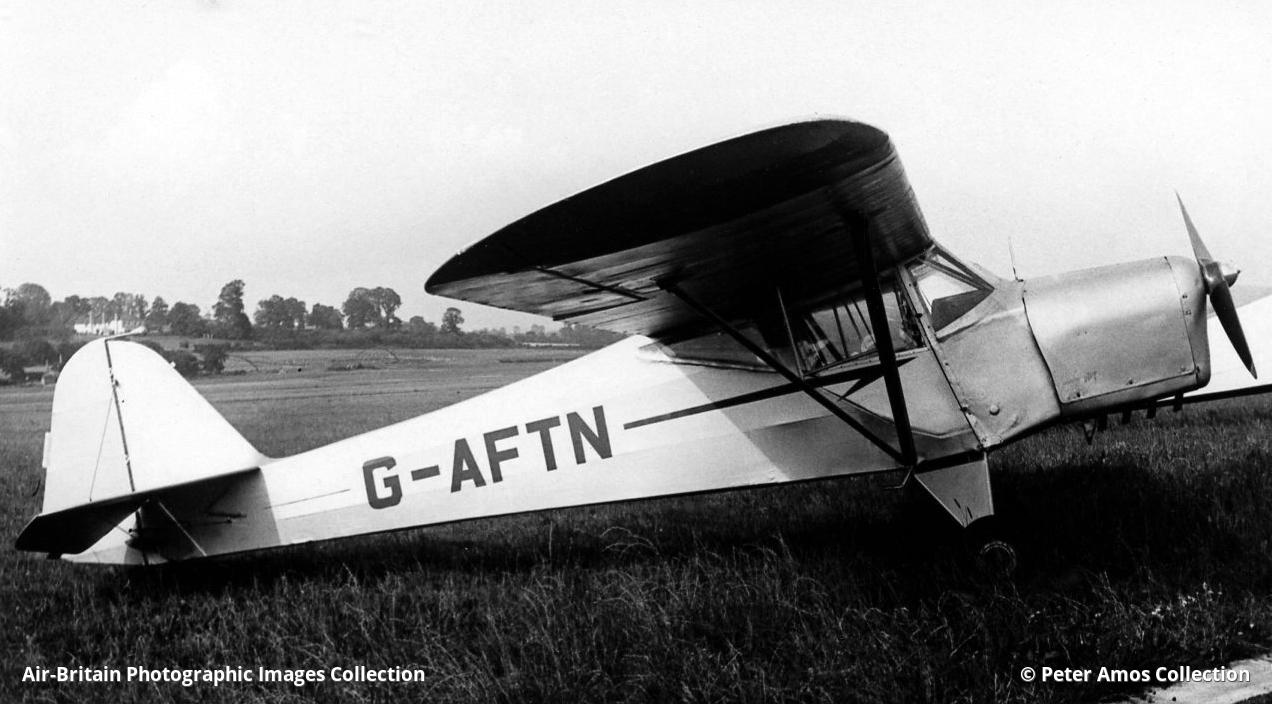
- Taylorcraft Plus C G‑AFTN
To visiting pilots and enthusiasts, Mr Arden’s hangar was regarded as a treasure trove — a collection of light aircraft rarely seen together outside specialist flying clubs.
Aerial Photography of Exeter
One of Mr Arden’s most enduring contributions was his early aerial photography of Exeter. From the late 1940s into the 1950s, he captured the city from above at a time of profound change:
- the scars of the 1942 Baedeker Blitz
- the reconstruction of the High Street and Bedford Circus
- the expansion of new housing estates
- the evolving road network
- the Cathedral precinct and historic core in transition
These images now form an invaluable visual record of Exeter’s post‑war regeneration.
Hele’s School and the Air Cadet Defence Corps
On 1 November 1938, Hele’s School established the first School Squadron of the Air Cadet Defence Corps — No. 13 Squadron of the Air League. Remarkably, the squadron operated from Mr Arden’s field, giving Exeter schoolboys their first practical exposure to aviation.
This link between a local school and a farmer‑aviator captures the spirit of the era: informal, enthusiastic, and full of possibility.
Aviation on the Bypass
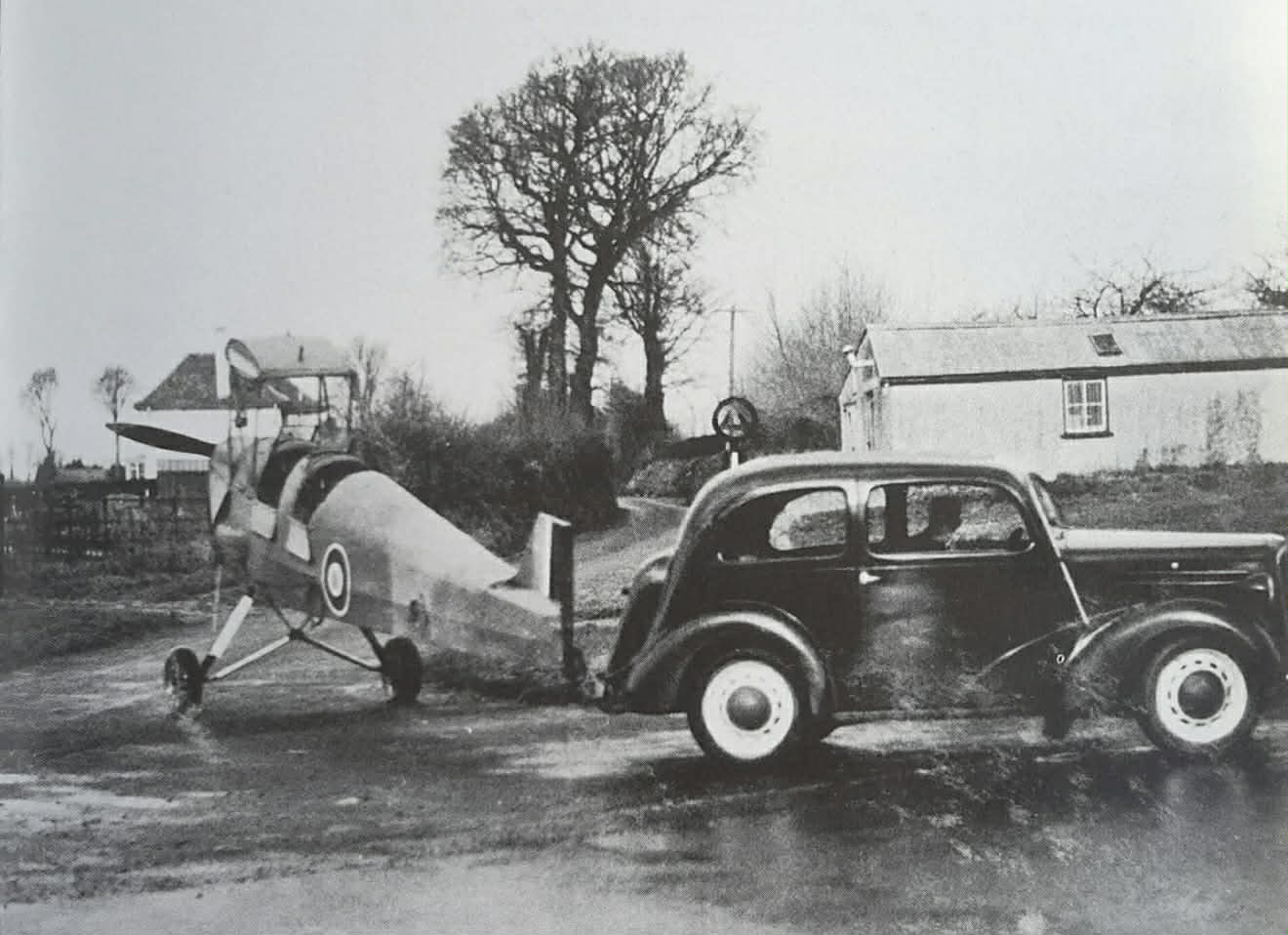
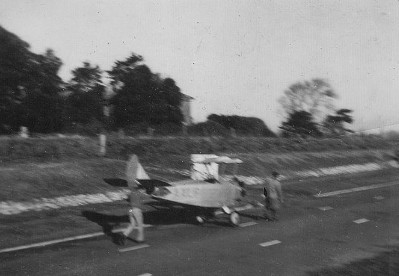
Mr Arden was known locally for towing the fuselages of his biplanes along the Exeter Bypass using his car — a sight that must have astonished passing motorists. It was typical of the resourcefulness of early private flyers, who often relied on ingenuity rather than infrastructure.
Flying from the bypass field was described as adventurous and occasionally unconventional. Pilots recalled spirited low‑level flying along the coast and informal weekend gatherings that brought together enthusiasts from across Devon.
The Devonshire Flying Club
After the Second World War, the Devonshire Flying Club operated from the site, using the hangar and grass runways for training and recreational flying. The club remained active into the 1950s, contributing to the region’s growing aviation community before eventually relocating as Exeter expanded.
Closure and Legacy
By the late 1950s, the airfield had closed, absorbed into the city’s development. Today, no physical trace remains. Yet its legacy endures through the memories of those who flew there, the photographs taken from Mr Arden’s cockpit, and the stories passed down — including through his son, Den, who still lives in the area.
This small airfield, overshadowed by the wartime significance of RAF Exeter, deserves recognition as part of the city’s broader aviation heritage. It represents a time when flying was personal, improvised, and driven by passion rather than infrastructure.
Conclusion
Bertram “Johnnie” Arden was not a military pilot, nor a commercial pioneer. He was something quieter and equally important: a local man who brought aviation to the edge of Exeter, who photographed the city from the air when few others could, and who inspired a generation of young people through his enthusiasm for flight.
His airfield may be gone, but the story remains — a small but meaningful chapter in the history of aviation in Exeter.
A big thank you to Mr Den Arden who reviewed the above content and gave permission for it to be published on this website in honour of his Father.
All images below are credited to the original copyright owners
This page was last updated on 5 April 2026.